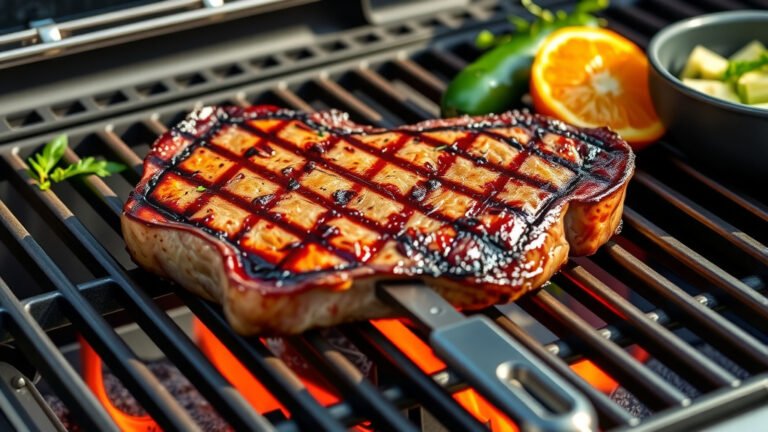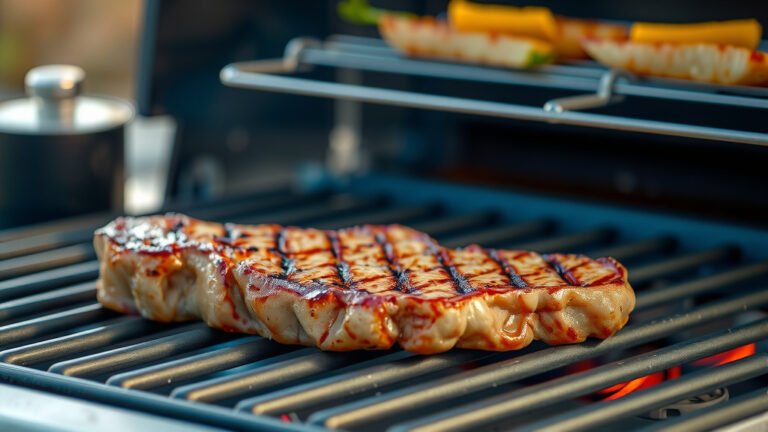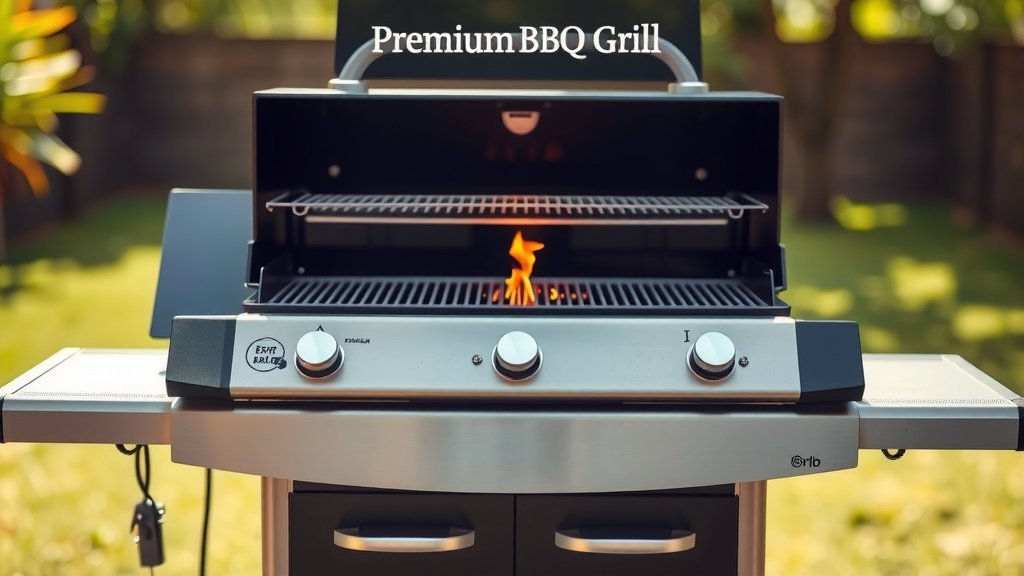
To successfully turn on a BBQ grill, you first open the lid for safety, then activate the fuel source. For gas grills, this means opening the propane tank valve and igniting the burners with the built-in starter or a lighter.
For charcoal grills, you’ll typically use a chimney starter filled with charcoal, light it from beneath, and once the coals are hot and ash-covered, carefully pour them onto the grill grates.
TL;DR: Ready to Grill Fast?
- Always start by opening your grill lid before lighting anything.
- Gas grills need a slow turn of the propane valve, then a burner, then the igniter.
- Charcoal grills often work best with a chimney starter for quick, even heat.
- Give your grill time to preheat properly to the correct cooking temperature.
- Safety is always key, so stay aware of open flames and hot surfaces.
How To Turn On A BBQ Grill?
Getting your BBQ grill ready for action means understanding a few simple steps. It’s about knowing your equipment and following a safe process every time you cook outdoors.
You can achieve that perfect sear or smoky flavor once your grill is hot and ready. We’ll walk through both gas and charcoal methods.
Why Even Grill? The Magic of Open Flame Cooking
There is something truly special about grilling, isn’t there? It transforms simple ingredients into something extraordinary. That smoky aroma and delicious char are hard to resist.
It is not just cooking; it is an experience, a gathering, and a way to enjoy the outdoors. Imagine those juicy burgers or perfectly seared steaks.
Safety First: Your Pre-Grill Checklist
Before you even think about lighting your grill, safety must come first. You want your grilling experience to be fun, not dangerous. A quick check can prevent many common issues.
Many experts say a few moments of preparation can save a lot of trouble (NFPA).
- Open the Lid: Always open the grill lid before starting the ignition process. This prevents gas build-up.
- Check for Leaks: For gas grills, perform a quick soap and water test on connections if you suspect a leak.
- Clean Grates: Brush off any old food residue from previous cooks. This is important for flavor and preventing flare-ups.
- Clear Surroundings: Ensure no flammable materials are near the grill area. Move anything that could catch fire.
- Ventilation: Make sure your grill is in a well-ventilated area, never indoors or in a garage.
Turning On a Gas Grill: The Quick Steps
Gas grills are incredibly popular for their convenience and quick heat-up times. You can go from zero to sizzling in just a few minutes. This makes them a great choice for weeknight meals.
We found that many people appreciate the speed a gas grill offers. It takes the guesswork out of getting coals hot.
Prepping Your Gas Grill for Ignition
Before you hit that igniter button, a couple of crucial things need your attention. These steps ensure a smooth and safe start to your grilling session.
You want to have a consistent flame, not a sputter. This means checking your fuel source first.
Start by making sure your propane tank is connected securely to the grill’s regulator. Then, slowly turn the propane tank valve counter-clockwise. You’ll hear a slight hiss as the gas begins to flow.
This slow opening prevents the excess flow safety device from activating. This can restrict gas flow and make lighting difficult (Consumer Reports).
Igniting the Burners: A Step-by-Step Guide
With the lid open and gas flowing, you are ready to light it up. This part is usually very straightforward. Most modern gas grills have an electronic igniter.
We found this method is generally reliable and safe. You will hear a click as you push the button.
First, turn one burner control knob to the “low” or “light” setting. Then, immediately press the igniter button and hold it for a few seconds. You should see a flame appear quickly.
Once one burner is lit, you can turn on the other burners. If your grill does not light on the first try, turn off the gas, wait a few minutes, then try again.
What if the Igniter Doesn’t Work? The Manual Method
Sometimes, the electronic igniter might not spark. This is not a cause for alarm, and you still have options. Always have a backup plan ready.
Many experts recommend keeping long barbecue lighters or matches handy. These are perfect for manual ignition.
If your igniter fails, turn the chosen burner to “low.” Then, using a long lighter or match, carefully reach through the cooking grates to the burner. Light it directly where the gas comes out.
Once that first burner is lit, you can turn on the others. Always be careful with open flames, especially when reaching into the grill.
Troubleshooting Common Gas Grill Issues
Even with the best grills, you might encounter a hiccup or two. Don’t worry, many issues have simple solutions. We’ve all been there, wondering why the grill won’t light.
A common problem is low gas flow. This often happens if the propane tank valve was opened too quickly, triggering the safety device.
To fix this, turn off all burner knobs and close the propane tank valve completely. Disconnect and then re-connect the regulator. Slowly open the propane tank valve, then try lighting the grill again.
Firing Up a Charcoal Grill: The Classic Method
For many, charcoal grilling is the purest form of barbecue. It offers that distinct smoky flavor that is hard to replicate. The taste difference is truly noticeable.
It might take a bit more effort than gas, but the results are often worth it. You get that rich, authentic barbecue taste.
Choosing Your Charcoal: Briquettes vs. Lump
The type of charcoal you choose can impact your grilling experience. Both briquettes and lump charcoal have their fans. It’s good to know the differences between them.
We found that each type has unique properties. Your choice often comes down to personal preference or what you are cooking.
| Charcoal Type | Description | Burn Time & Heat |
|---|---|---|
| Briquettes | Uniform shape, made from compressed sawdust and binders. | Consistent, longer burn. Moderate heat. |
| Lump Charcoal | Irregular pieces of pure wood, burns hotter and faster. | Inconsistent, shorter burn. High heat. |
The Chimney Starter Method: Your Best Friend
If you’re using a charcoal grill, a chimney starter is a game-changer. It’s arguably the safest and most efficient way to light your coals. Forget about messy lighter fluid.
Many experts say the chimney starter is the most reliable method (Weber Grills).
Fill the top of the chimney starter with your desired amount of charcoal. Place a few crumpled pieces of newspaper or a fire starter cube beneath the chimney in the bottom chamber. Then, light the newspaper or fire starter.
Let the chimney sit for about 15-20 minutes. You will know the coals are ready when they are mostly covered in a light gray ash. Carefully pour the hot coals onto your grill grates.
Other Lighting Methods: Lighter Fluid and Electric Starters
While the chimney starter is often preferred, other methods exist. Some people still opt for traditional lighter fluid, while others choose electric starters.
Each has its own process and considerations. You want to pick what works best for your situation.
If using lighter fluid, arrange your charcoal in a pile on the grate. Apply lighter fluid evenly, then wait about 30 seconds for it to soak in before lighting with a long match. Never add fluid to already burning coals.
Electric starters work by directly heating the charcoal until it glows. You plug it in, place it among the coals, and let it heat them for about 8-10 minutes. Then, remove the starter and allow the coals to fully ignite.
Arranging Your Charcoal for Direct or Indirect Heat
Once your charcoal is hot, how you arrange it on the grill matters. This determines whether you’ll be cooking with direct or indirect heat. Understanding these zones is key to versatile grilling.
For direct heat, spread the coals evenly across the bottom grate. This is ideal for searing steaks or quick-cooking burgers. For indirect heat, push the coals to one side or divide them into two piles, leaving an empty space in the middle. This is great for larger roasts.
Post-Ignition: Getting Your Grill Ready to Cook
You have successfully lit your grill, congratulations! But you are not quite ready to toss on those steaks just yet. The next step is vital for great results.
Preheating is crucial for both gas and charcoal grills. This ensures consistent cooking and helps prevent food from sticking.
Preheating: The Secret to Perfect Grilling
Once lit, close the grill lid and allow it to preheat. For gas grills, this usually takes 10-15 minutes. For charcoal, wait until the coals are fully ash-covered and the grill reaches your target temperature.
This step also helps burn off any remaining food particles and sanitizes the grates. You want a clean, hot surface.
Temperature Control: The Art of Grilling
Maintaining the right temperature is a skill you will master over time. Different foods require different heat levels. You want to adjust your grill accordingly.
For gas grills, simply adjust the burner knobs to raise or lower the heat. For charcoal grills, you control temperature by adjusting the vents. More open vents mean more oxygen, leading to hotter coals.
Conclusion
Turning on a BBQ grill, whether gas or charcoal, is a straightforward process once you know the steps. Always prioritize safety by checking your equipment and working in a well-ventilated area.
With practice, you will become a pro at lighting your grill efficiently. Enjoy the delicious results of your perfectly cooked meals outdoors!
How do I know if my propane tank is empty?
You can check your propane tank’s level by pouring hot water down the side of the tank. Then, feel the tank; the water will be cool to the touch where the liquid propane is, and warm where it’s empty. Alternatively, many propane tanks come with built-in gauges, or you can buy an external gauge that connects between the tank and the grill.
What should I do if my gas grill smells like gas but won’t light?
If you smell gas but the grill isn’t lighting, immediately turn off all burner knobs and close the propane tank valve. Wait at least five minutes for any gas to dissipate. Then, open the lid, slowly open the propane tank valve, and try lighting the grill again. This often resolves issues caused by the safety bypass valve. If the problem persists, check for leaks at connections with a soapy water solution.
Can I use rubbing alcohol to light charcoal?
No, you should never use rubbing alcohol, gasoline, or other highly volatile liquids to light charcoal. These can cause dangerous flare-ups and leave harmful residues on your food. Stick to proper charcoal starters like chimney starters, electric starters, or dedicated lighter fluid designed for barbecues.
How long does it take for charcoal to get hot enough for cooking?
Using a chimney starter, charcoal typically takes about 15-20 minutes to reach optimal cooking temperature. You’ll know it’s ready when the coals are mostly covered in a light gray ash. For other methods like lighter fluid, it might be a bit quicker, but it is important to wait until the fluid has completely burned off before cooking.
Is it safe to grill in windy conditions?
Grilling in windy conditions requires extra caution. Wind can cause flare-ups, make temperature control difficult, and potentially blow embers or hot coals around, creating a fire hazard. If you must grill, try to position your grill in a sheltered spot, keep a close eye on it, and have a fire extinguisher or water source nearby.