
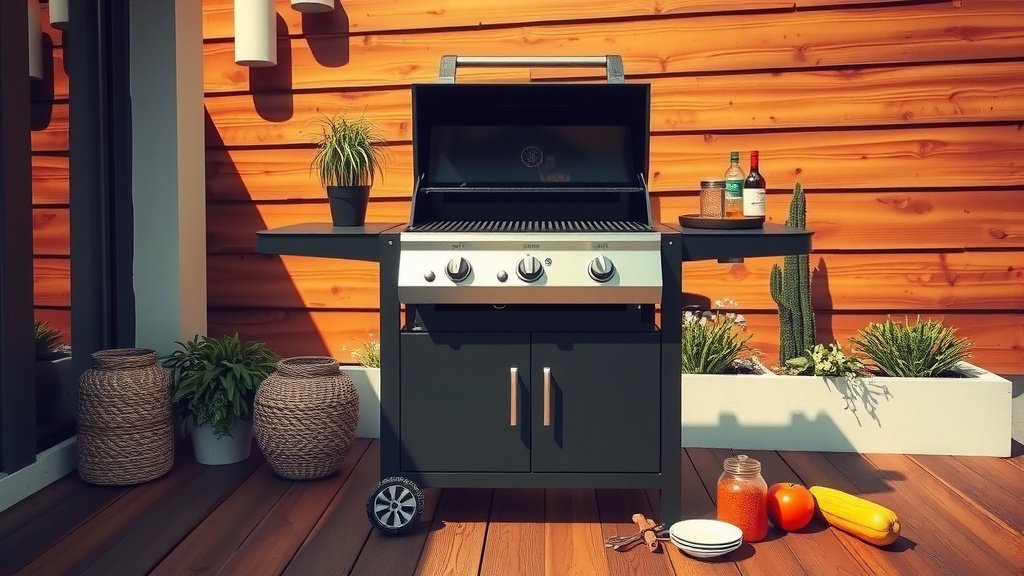
To pick a BBQ grill, first consider your cooking style, available space, and budget, then choose between gas for convenience, charcoal for flavor, or pellet for versatile smoking.
The best BBQ grill for you balances fuel type preferences, cooking capacity needs, and desired features like temperature control and material durability.
TL;DR: How to pick a BBQ Grill:
- Decide on your primary fuel: Gas for speed, Charcoal for classic flavor, or Pellet for smoking.
- Match the grill size to your household and entertaining needs.
- Set a realistic budget, including grill cost and ongoing fuel expenses.
- Consider features like BTUs, construction material, and side burners.
- Think about where the grill will live and how much space you have.
How To Pick A BBQ Grill?
Picking a BBQ grill means finding the perfect match for your grilling habits and lifestyle. It’s about understanding what you love to cook and how you love to cook it.
Why Does Choosing the Right Grill Matter?
Selecting the right grill isn’t just about cooking food; it’s about enhancing your outdoor experience. A poorly chosen grill can lead to frustration and less time enjoying your meals.
We found that a grill perfectly suited to your needs makes grilling a joy, not a chore. It influences everything from food taste to ease of cleanup.
Your Grilling Style
Are you a quick weeknight griller, or do you love weekend smoking projects? Your typical cooking routine guides your grill choice. Do you need high heat fast, or low and slow versatility?
Understanding Grill Types
Different grill types offer unique benefits. Think of them as different tools for different jobs, each bringing its own flavor and convenience.
Gas Grills: Convenience King
Gas grills, often powered by propane or natural gas, are known for their quick heating and precise temperature control. Many experts say they are perfect for busy weeknights (Consumer Reports).
You can turn them on with a button, adjust the heat easily, and clean up is generally simpler. This type is a favorite for those who value speed and ease.
Charcoal Grills: Flavor Champion
If you crave that classic smoky flavor, charcoal is your go-to. These grills offer intense heat and distinct taste that gas can’t quite replicate.
They take a bit longer to heat up and require more hands-on temperature management. But for many, the rich flavor is worth the extra effort.
Pellet Grills: Set-It-and-Forget-It
Pellet grills offer a fantastic blend of smoky flavor and modern convenience. They use wood pellets as fuel, often controlled by a digital thermostat.
These are excellent for smoking and low-and-slow cooking, providing consistent temperatures and wood-fired taste. They’re like having an outdoor oven and smoker in one.
Electric Grills: Compact and Easy
Electric grills are perfect for small spaces, like apartment balconies, where gas or charcoal might not be allowed. They are plug-and-play simple and heat up quickly.
While they don’t produce the same smoky flavor as charcoal or pellet, they offer a convenient grilling solution with easy cleanup.
Considering Key Features
Once you know your preferred fuel, let’s dive into what makes a grill truly work for you. Features play a big role in your cooking enjoyment.
Grilling Area Size
How much food do you cook at once? A larger family or frequent entertainer will need more grilling space. We found that capacity is often measured in square inches.
| Grill Size Category | Cooking Area (Sq. Inches) | Best For |
|---|---|---|
| Compact | Under 300 | 1-2 people, small spaces |
| Medium | 300-500 | 3-5 people, typical family |
| Large | 500-700 | 6-8 people, entertaining |
| Extra Large | Over 700 | Big parties, serious chefs |
BTU Power: Is More Always Better?
BTU stands for British Thermal Units, indicating a grill’s heat output. Many experts suggest that higher BTUs don’t always mean a better grill. The efficiency of heat distribution matters more.
A grill with moderate BTUs and good construction can often outperform a high-BTU unit with poor design. Focus on even heat.
Construction Materials
Stainless steel offers durability and a sleek look, but not all stainless steel is equal. Look for high-grade stainless steel for better rust resistance and longevity.
Cast iron grates retain heat exceptionally well, leading to beautiful sear marks. Porcelain-enameled grates are easier to clean and resist rust.
Extra Features to Love
Beyond the basics, some features just make grilling better. What would simplify your life?
- Side burners for sauces or side dishes.
- Warming racks to keep food hot.
- Storage cabinets for propane tanks and tools.
- Rotisserie kits for roasting whole chickens.
- Built-in thermometers for precise cooking.
Budgeting for Your BBQ Dream
Grills come in a wide price range. It’s smart to set a budget before you start shopping to narrow your choices effectively.
Initial Cost vs. Running Costs
Consider not just the purchase price, but also the ongoing costs. Charcoal and pellets have a continuous fuel expense, while a natural gas grill connects to your home supply.
Propane tanks need refilling or exchanging, which adds to your annual grilling budget. Think about the long-term value.
Where Will You Grill? Space Matters
Before you commit, measure your grilling area. Do you have a small patio, a spacious deck, or a dedicated outdoor kitchen?
Ensure there’s enough room to safely operate the grill, open the lid, and maneuver around it. This is a practical step often overlooked, but safety is paramount.
Maintenance: Keep Your Grill Happy
A well-maintained grill lasts longer and performs better. Regular cleaning and care protect your investment. Here’s a quick checklist:
- Clean grates after every use.
- Empty grease trays regularly.
- Check gas lines for leaks yearly.
- Cover your grill when not in use.
- Inspect burners and components seasonally.
Conclusion
Choosing your BBQ grill is an exciting step towards countless delicious meals and cherished outdoor moments. By carefully considering your grilling style, understanding the different fuel types, and evaluating key features, you’re well on your way.
Remember to balance your budget with the grill’s size and ongoing maintenance. The perfect grill awaits to transform your backyard into your favorite culinary spot!
How often should I clean my grill grates?
You should clean your grill grates after every use, while the grill is still warm. This prevents food residue from hardening and makes future cleaning much easier.
Can I convert a propane grill to natural gas?
Yes, many propane grills can be converted to natural gas, but it usually requires a specific conversion kit from the manufacturer. It’s important to use the correct kit and often recommended to have a professional install it for safety.
What’s the best material for grill grates?
The “best” material depends on your preference. Cast iron provides excellent heat retention and sear marks but needs more maintenance. Stainless steel is durable and easy to clean. Porcelain-enameled cast iron combines the benefits of both with easier cleaning.
Is it worth buying a grill with a rotisserie kit?
If you enjoy cooking whole chickens, roasts, or larger cuts of meat slowly and evenly, a rotisserie kit can be a fantastic addition. It allows for self-basting and creates a wonderfully moist product.
How do I know if my grill has enough BTU power?
Instead of focusing solely on the BTU number, look for a grill that heats up quickly and maintains consistent, even temperatures across the cooking surface. User reviews and reputable testing sites often provide insights into a grill’s real-world heating performance.
