
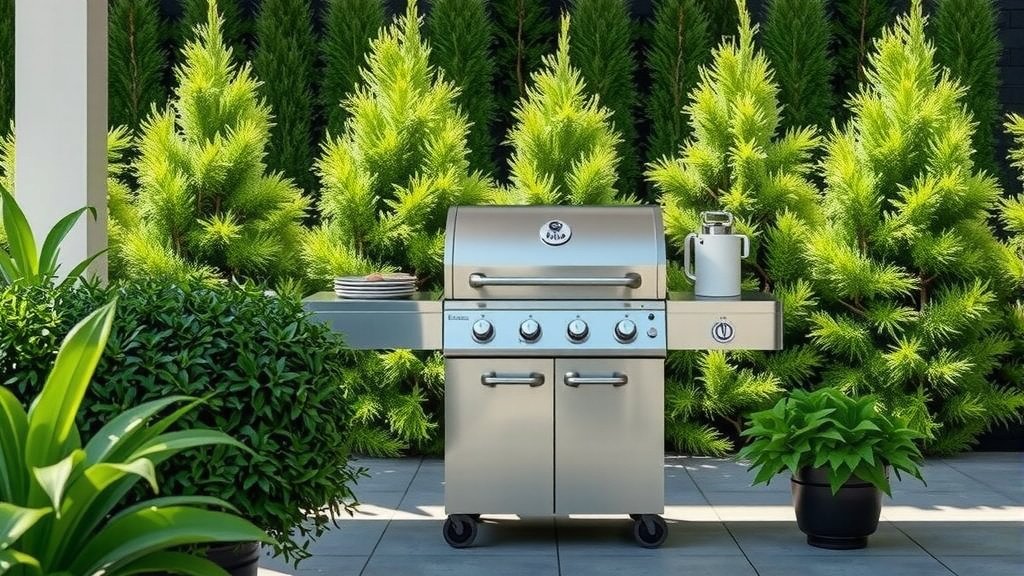
Working a propane grill involves connecting the tank, checking for leaks, igniting the burners safely, preheating properly, and then cooking your food.
You turn the propane tank valve fully open, then light individual burners one at a time before setting your desired cooking temperature.
- Connect your propane tank securely and check for leaks.
- Open the tank valve fully before lighting burners.
- Always light one burner at a time, starting with the igniter burner.
- Preheat your grill for 10-15 minutes to reach the right temperature.
- Shut down safely by turning off the tank valve first, then the burners.
How To Work A Propane Grill?
Working a propane grill is simpler than you might think once you know the steps. It provides quick, consistent heat for delicious outdoor cooking.
You will find it quite straightforward to operate, making your grilling experience enjoyable and efficient. So, let’s get grilling!
Safety First: Your Top Priority
Before you even think about lighting a flame, safety always comes first. You want to enjoy your meal without any worries.
Always place your grill on a flat, stable surface, far from anything flammable. Think about walls, fences, or overhanging branches. We found a clear space is best (NFPA).
Checking for Leaks
A quick leak test is a smart habit you should always practice. This step takes only a moment and can prevent big problems.
Mix some dish soap and water into a spray bottle. Spray this solution on the tank valve and hose connections. If you see bubbles, you have a leak. Tighten connections or replace faulty parts immediately.
Connecting Your Propane Tank
Connecting the propane tank is your next step. It’s a simple process, but getting it right is key.
Make sure the tank valve is fully closed before you start. Align the connector on your grill’s hose with the tank valve. Then, hand-tighten the coupling until it feels snug.
Avoid using tools; hand-tight is usually sufficient and prevents overtightening. Overtightening can sometimes damage the seal, experts found.
Igniting Your Grill Like a Pro
Now for the exciting part: lighting the grill! Don’t rush this, and follow these steps for a safe start.
First, fully open the valve on your propane tank. You might hear a slight hiss, which is normal. Then, open your grill’s lid to prevent gas buildup.
Turn one burner knob to the “High” position. Immediately press your igniter button or use a long lighter if you do not have an automatic igniter. Many experts say to start with the burner closest to the igniter (Consumer Reports).
Once that burner lights, turn on any additional burners you need. You’re ready for the next phase: preheating.
Preheating for Perfect Results
Preheating is not just an option; it’s a critical step for delicious food. Think of it like preheating your oven indoors.
Close the grill lid after all burners are lit. Let your grill heat up for 10 to 15 minutes, reaching around 400-500°F (200-260°C). This burns off old food residue and gets the grates hot.
Hot grates create those beautiful sear marks and prevent food from sticking. We found this improves flavor significantly.
Mastering Grilling Techniques
Understanding direct and indirect heat zones will elevate your grilling game. It’s like having different cooking stations on one grill.
Direct heat is for searing smaller items that cook quickly. Think burgers, hot dogs, and thin steaks. You cook these directly over the flame.
Indirect heat is perfect for larger cuts that need more time. Items like whole chickens, roasts, or racks of ribs cook gently on burners that are off, away from direct flame.
Controlling Your Grill’s Temperature
Adjusting the temperature is simple, just like your kitchen stove. Use the burner knobs to find your ideal heat level.
Lower settings mean less propane flow and a cooler grill. Higher settings give you more heat. Always monitor your grill’s thermometer.
Monitoring Your Cook with Confidence
A good meat thermometer is your best friend for food safety and perfection. You cannot tell if meat is cooked simply by looking.
Insert the thermometer into the thickest part of the meat, avoiding bones. This ensures your food reaches safe internal temperatures (USDA).
Keeping It Clean: Grate Care
Cleaning your grill grates after each use is a quick task with big benefits. It keeps your grill ready for the next meal.
While the grates are still warm, use a wire brush to scrape off food bits. This prevents buildup and helps maintain your grill.
When You’re Done: Shutting Down Safely
Proper shutdown is just as important as safe startup. This keeps your equipment in good condition and prevents gas leaks.
Here’s a quick checklist for safe shutdown:
- Turn off the propane tank valve fully first.
- Let the remaining gas in the lines burn off; this usually takes a few minutes.
- Once the flames are out, turn off all the burner control knobs.
- Close the grill lid.
- Allow the grill to cool completely before covering it.
Troubleshooting Common Propane Grill Issues
Sometimes, your grill might not light or heat properly. Don’t worry; these issues often have simple solutions.
If you have no flame, check if the propane tank valve is fully open. Also, ensure the tank has gas. If it’s a low flame, you might have tripped the “bypass” safety feature. Turn everything off, disconnect the tank, wait a minute, and reconnect slowly (we found this often resets it).
Maintenance Tips for Grill Longevity
Regular maintenance ensures your grill serves you for many years. A little care goes a long way.
Clean burner tubes and gas ports periodically. Check hoses for cracks or wear. Many experts suggest inspecting your grill parts annually before grilling season (HPBA).
| Component | Check Frequency | Action |
|---|---|---|
| Propane Tank | Before each use | Check for leaks, ensure proper connection. |
| Hoses & Regulator | Annually, or if issues arise | Look for cracks, wear, or damage. |
| Grates | After each use | Scrape clean while warm. |
| Burners | Seasonally | Clear gas ports of debris. |
| Drip Tray | Regularly | Empty and clean to avoid grease fires. |
Choosing the Right Propane Grill
If you’re in the market for a new grill, consider its size, number of burners, and construction material. Matching your needs to the grill is important.
A larger family might need more burners, while a smaller patio suits a compact model. Stainless steel offers durability (Many experts say).
Conclusion
Operating a propane grill is a straightforward skill that brings joy to outdoor cooking. By understanding a few key steps—from setup and safety to lighting and shutdown—you’re well on your way to grilling success.
Remember, practice makes perfect, so don’t hesitate to fire up your grill and start creating delicious meals. Enjoy the process and the fantastic food you’ll make!
How do I know if my propane tank is empty?
You can check the weight of the tank. A standard 20-pound tank weighs about 17 pounds when empty. You can also pour warm water down the side; the metal will feel cooler where the liquid propane remains. Another simple way is to gently shake the tank and listen for liquid sloshing around. No sloshing usually means it’s empty or nearly so.
Can I use a propane grill indoors?
No, you should never use a propane grill indoors. Grills produce carbon monoxide, a colorless, odorless gas that is deadly in enclosed spaces. Always use your grill in a well-ventilated outdoor area. It is a critical safety rule.
How long does a propane tank last on a grill?
The lifespan of a propane tank depends on its size, how many burners your grill has, and what heat setting you use. A standard 20-pound tank can provide about 18-20 hours of cooking time on a medium setting for a two-burner grill. Larger grills or higher heat will consume propane faster.
What should I do if my grill flame is too low?
A low flame often indicates a “bypass” safety feature has been activated, reducing gas flow. To reset it, turn off all burner knobs and the tank valve. Disconnect the regulator from the tank. Wait a minute, then reconnect the regulator tightly. Slowly open the tank valve all the way, then try lighting the burners one by one. This usually fixes the issue.
How often should I clean my grill grates?
Ideally, you should clean your grill grates after every use. Scrape them with a wire brush while they are still warm to remove any stuck-on food. This prevents buildup, keeps your grill ready, and ensures your food tastes great without old residue transfer.
