
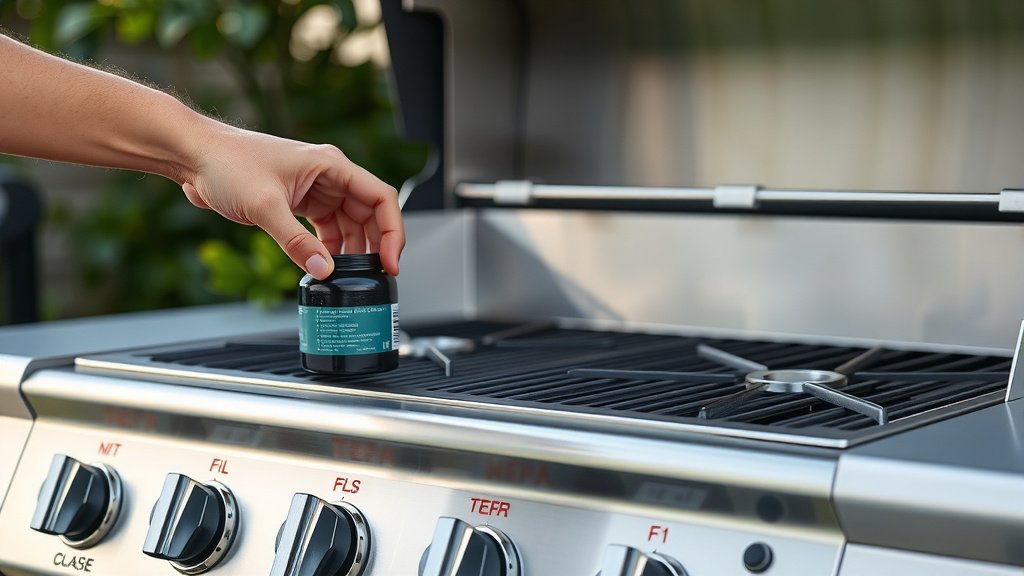
To light a propane grill, first ensure your propane tank is connected securely and turned on, then open the grill lid. Turn on one burner to high, press your grill’s ignition button, and listen for the characteristic whoosh sound.
If the first burner lights, close the lid to preheat; if not, turn it off, wait five minutes, and troubleshoot before attempting to light it again.
- To light a propane grill, always start by ensuring the lid is open and the propane tank valve is fully open.
- Turn one burner knob to its highest setting, then immediately press and hold the ignition button until you hear the burner ignite.
- If the grill doesn’t light after a few tries, turn off the burner, wait about five minutes for gas to dissipate, and check for common issues like an empty tank or blocked gas flow.
- Always keep the grill lid open during the lighting process for safety, preventing gas buildup.
- Regularly check your propane tank and connections to ensure they are secure and free of leaks before each use.
How To Light A Propane Grill?
Lighting a propane grill safely involves a few straightforward steps: first, confirm your propane tank is connected and open, then open the grill lid, turn one burner to high, and use the igniter button.
This process ensures gas flows correctly and ignites immediately, setting you up for a great grilling experience without delays.
Safety First: Your Pre-Lighting Checklist
Before you even think about lighting that burner, safety is your best friend. A quick check can prevent headaches and keep your grilling fun. We found that many grilling accidents are preventable with a few simple precautions (National Fire Protection Association).
Check Your Propane Tank
Is your propane tank full enough? Give it a little shake; if it feels light, you might need a refill. Ensure it’s connected securely to your grill. A loose connection means no gas flow, or worse, a leak.
Inspect Hoses and Connections
Look for any cracks, kinks, or damage in the gas hose. A soapy water test can reveal tiny leaks: just spray soapy water on connections while the gas is on (but the grill is off) and look for bubbles. Bubbles mean a leak, and that needs fixing immediately. Many experts say checking for leaks is a critical safety step.
Clear the Grill Area
Make sure there’s nothing flammable nearby. Move towels, paper plates, or anything that could catch fire away from the grill. A clear zone around your grill is always a good idea.
The Step-by-Step Lighting Process
Ready to get cooking? Follow these steps for a smooth ignition every time. It’s simpler than you might think!
Step 1: Open the Grill Lid
This is non-negotiable! Always, always open the lid before turning on the gas or lighting the grill. Gas can build up inside a closed grill, creating a dangerous flare-up when ignited. This simple step keeps you safe. We found that leaving the lid open is the most important safety rule when lighting.
Step 2: Turn on the Propane Tank Valve
Reach down and turn the valve on top of your propane tank fully counter-clockwise. You want it all the way open to ensure a steady flow of gas to your burners. Don’t just crack it open; go for full throttle.
Step 3: Ignite a Single Burner
Turn one burner control knob to the “high” setting. This is usually the burner closest to your igniter button. Many grill manufacturers recommend starting with just one burner. This helps you manage the gas flow more effectively.
Step 4: Press the Igniter Button
Immediately after turning on the burner, press and hold the igniter button. You should hear a clicking sound and then a low “whoosh” as the burner lights. If it doesn’t light within a few seconds, release the button and turn off the burner. Research indicates that most ignitions happen quickly if everything is in order.
Step 5: Confirm Ignition and Turn on Other Burners
Look through the grill grates to confirm the burner is lit. You should see a blue flame. Once confirmed, you can then turn on additional burners as needed for your cooking temperature. Always light each burner individually and carefully.
What If Your Grill Won’t Light? Troubleshooting Common Issues
Don’t panic if your grill doesn’t light on the first try. It happens! Here are some quick fixes for common problems.
| Problem | Possible Cause | Solution |
|---|---|---|
| No gas flow | Empty tank, tank valve not open, or tripped OPD valve. | Check tank level, open tank valve fully, or reset OPD by closing all valves and reopening slowly. |
| Igniter not clicking | Dead battery in igniter, or dirty igniter electrode. | Replace igniter battery, or clean the igniter tip with a wire brush. |
| Gas but no flame | Clogged burner ports or spider webs in gas lines. | Clean burner ports with a wire brush, or clear gas lines (consult manual/professional). |
| Weak flame | Low gas pressure, or partially clogged lines/ports. | Check tank level, clean burners, or reset OPD valve. |
The Overfill Prevention Device (OPD) Trip
Propane tanks have an OPD valve, a safety feature that can restrict gas flow if it senses a sudden, large release. If your grill seems to get very little gas, even with a full tank, your OPD might be tripped. Many experts say to reset the OPD, close the tank valve and all burner knobs. Wait a few minutes, then slowly open the tank valve fully, and then try lighting a burner again. This often resolves the issue.
Manual Lighting: Your Backup Plan
If the electronic igniter fails, you can always light your grill manually. Here’s how:
- Open the grill lid.
- Turn on the propane tank.
- Turn one burner knob to “high.”
- Immediately insert a long grill lighter or a match in a holder through the grates to the burner port.
- Once lit, turn on other burners as needed.
- Always keep your face and hands away from the burner area during manual lighting.
Preheating Your Grill for Optimal Results
Once your grill is lit, it’s time to preheat! This is a crucial step for even cooking and preventing food from sticking. We found that proper preheating makes a significant difference in food quality.
Set Your Temperature
Close the lid and allow the grill to heat up. Aim for about 10-15 minutes on high for most grilling. Your grill’s built-in thermometer can guide you. Different foods require different temperatures, so know your target. Many culinary experts recommend preheating to specific temperatures for best results.
Clean the Grates
Once hot, use a grill brush to scrape off any leftover bits from previous cooks. A hot grill is much easier to clean, and clean grates prevent sticking. This also creates those beautiful grill marks!
Maintaining Your Grill for Future Lights
A well-maintained grill lights easily and lasts longer. Regular cleaning and checks are key. We found that consistent maintenance prevents most lighting problems.
Regular Burner Cleaning
Over time, burner ports can get clogged with grease or debris. Use a wire brush to clean the burners periodically. This ensures an even and strong flame. Many grill care guides highlight the importance of clean burners.
Check Igniter Wires and Battery
Ensure all wires leading to the igniter are secure. If your igniter uses a battery, change it annually, especially before grilling season starts. A fresh battery means a reliable spark when you need it.
Checklist for a Smooth Propane Grill Start
- Lid open?
- Propane tank connected and open?
- Hoses checked for leaks?
- One burner on high?
- Igniter clicked/pressed?
- Flame visible?
Conclusion
Lighting a propane grill is a straightforward process when you follow a few simple steps and prioritize safety. By checking your tank, opening the lid, igniting a single burner, and troubleshooting any issues, you’ll be grilling up delicious meals in no time. Remember, a little preparation goes a long way in ensuring a safe and enjoyable experience every time you fire up the grill. Keep these tips handy, and you’re well on your way to becoming a grilling master!
How long should I wait if my grill doesn’t light immediately?
If your grill doesn’t light, turn off the burner and wait at least five minutes before trying again. This allows any unignited gas to dissipate safely, preventing a dangerous flare-up.
Can I use lighter fluid to help light a propane grill?
Absolutely not. Lighter fluid is designed for charcoal grills and should never be used on a propane grill. It is extremely dangerous and can cause severe injuries or damage to your grill.
Why does my grill have a yellow or orange flame instead of blue?
A yellow or orange flame usually indicates incomplete combustion, often due to clogged burner ports or an issue with the air-to-gas mixture. Clean your burner tubes and ports thoroughly, and ensure proper ventilation.
How do I know if my propane tank is almost empty?
You can tell if your tank is low by its weight; a full 20-pound tank weighs about 37-40 pounds, while an empty one weighs around 17-20 pounds. You can also pour hot water down the side of the tank and feel for a cool spot; the cool spot indicates the liquid propane level.
Is it safe to leave my propane tank connected to the grill when not in use?
For safety, it’s generally recommended to turn off the propane tank valve after each use, especially if you won’t be using the grill for a few days. This prevents small leaks and reduces potential hazards.
