
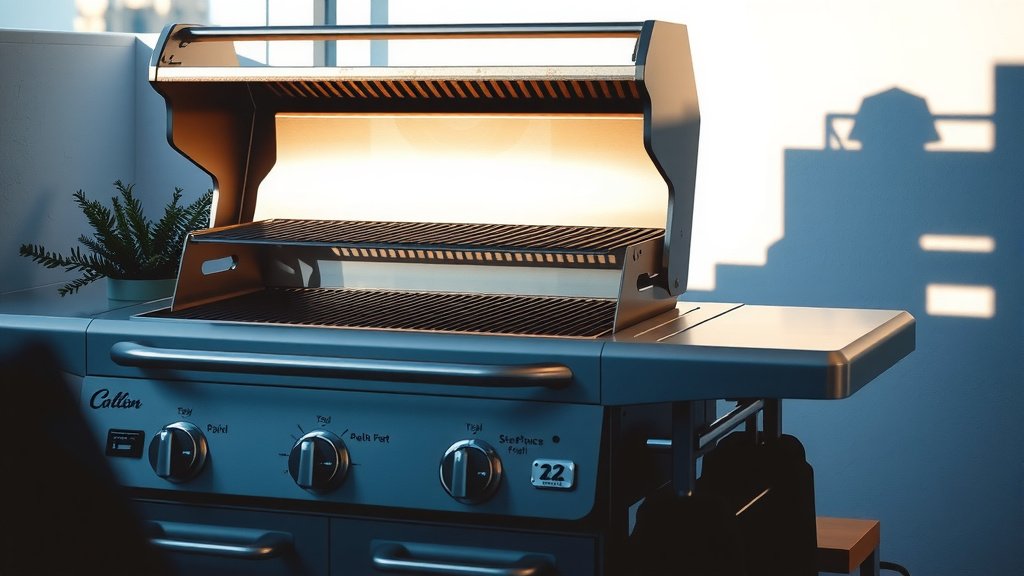
To season a new gas grill, you first need to clean its grates thoroughly with warm, soapy water. Then, apply a thin, even layer of high-smoke-point oil to all cooking surfaces, and heat the grill to a medium-high temperature for about 15-20 minutes until the oil begins to smoke.
Repeat this oiling and heating process two to three times to create a durable, non-stick surface and help prevent rust, ensuring your new gas grill is ready for delicious cooking.
- TL;DR: Seasoning your new gas grill begins with a thorough cleaning of the grates to remove any manufacturing residues.
- Next, apply a light, even coat of high-smoke-point cooking oil across all cooking surfaces.
- Heat the grill to a medium-high temperature for 15-20 minutes, allowing the oil to polymerize and bond to the metal.
- Repeat the oiling and heating process two to three times for best results, building a protective, non-stick layer.
- This simple method prepares your grill for use, protecting it from rust and creating a much better cooking experience.
How To Season A New Gas Grill?
Seasoning a new gas grill involves cleaning the grates, applying a thin layer of high-smoke-point oil, and then heating the grill to cure the oil into a protective, non-stick coating. This process prepares your grill for its first use and guards against rust.
Why Bother Seasoning Your New Grill?
You might wonder, “Do I really need to season a gas grill?” The answer is a clear yes. Many experts say seasoning is a foundational step for grill longevity and performance. It creates a barrier between food and metal, making your cooking experience smoother.
Seasoning prevents food from sticking, which means less frustration when you flip those burgers. It also helps protect the cast iron or steel grates from rust, a common issue for outdoor cooking equipment (NIH research often links rust prevention to proper surface treatment).
Unpacking and Initial Checks
Before any seasoning begins, you’ll need to unpack your new gas grill. Carefully remove all packaging materials. Check for any loose parts or obvious damage from shipping. Take a moment to read your grill’s manual; it might have specific instructions for initial setup.
First: A Good Clean Is Key
Imagine setting up a new kitchen. You wouldn’t cook in an unwashed pan, would you? The same applies to your grill. New grill grates often come with manufacturing oils, dust, or other residues. You want to remove these before cooking anything edible.
Washing the Grates
Remove the cooking grates from your grill. Wash them thoroughly with warm, soapy water and a dish brush or sponge. This step is crucial for food safety and ensuring the seasoning process works effectively. Rinse them completely and dry them well to prevent any immediate rust formation.
Choosing the Right Oil for Seasoning
Not all oils are created equal when it comes to seasoning. You need an oil with a high smoke point. This means it can withstand high temperatures without burning or breaking down too quickly. We found that certain oils perform best for this task.
| Oil Type | Smoke Point | Notes for Grilling |
|---|---|---|
| Canola Oil | Around 400°F (204°C) | Widely available, good choice. |
| Vegetable Oil | Around 400-450°F (204-232°C) | General term, often a blend. |
| Grapeseed Oil | Around 420°F (216°C) | Neutral flavor, often recommended. |
| Flaxseed Oil | Around 225°F (107°C) | Lower smoke point, but creates very hard, durable seasoning layer. Use in very thin coats. Some prefer this for initial seasoning. |
| Avocado Oil | Around 520°F (271°C) | Very high smoke point, excellent choice if available. |
Many experts suggest using canola oil or grapeseed oil for seasoning due to their high smoke points and neutral flavors. Avoid extra virgin olive oil; its lower smoke point makes it unsuitable for this high-heat process.
The Step-by-Step Seasoning Process
Now, let’s get down to the actual seasoning. It’s a straightforward process, but patience makes all the difference. Remember, you’re building a protective layer, not just oiling the grill.
Applying the Oil
Once your grates are clean and dry, apply a very thin, even layer of your chosen high-smoke-point oil. Use a paper towel or a clean cloth for this. You want just enough oil to lightly coat the metal, not so much that it’s dripping. Too much oil can lead to a sticky, gummy surface rather than a smooth, hard one.
Heating the Grill
Return the oiled grates to your gas grill. Close the lid and turn all burners to a medium-high setting. You’re aiming for a temperature between 350-450°F (175-230°C). Let the grill run for about 15-20 minutes. During this time, the oil will polymerize, essentially baking onto the metal. You might see some light smoke; this is normal.
Cooling Down and Repeating
After 15-20 minutes, turn off the grill and allow it to cool completely. This cooling process is important for the seasoning to properly bond. Once cool, repeat the entire oiling and heating process two to three more times. Each cycle builds on the last, creating a stronger, more resilient seasoned surface.
Tips for a Successful Seasoning
Getting a great seasoning coat isn’t hard, but a few pointers can make it even better. Think of it like baking a cake; small details really count.
- Less is More with Oil: Use a very thin layer of oil. A thick layer will turn sticky, not seasoned.
- High Heat is Essential: Make sure your grill gets hot enough for the oil to polymerize.
- Patience Pays Off: Don’t rush the cooling process between seasoning layers.
- Cover All Surfaces: Remember to coat the sides and bottom of your grates too, not just the top.
- First Cook Matters: For your initial cook after seasoning, try something with a higher fat content, like bacon or burgers. This can further improve the non-stick surface.
Maintaining Your Seasoned Grates
Your work doesn’t end after the initial seasoning. Proper cleaning and maintenance help preserve that protective layer. After each use, scrape off any food residue with a grill brush. Then, apply another light coat of oil while the grates are still warm. This acts as a mini-seasoning session every time you grill, keeping your grates in top shape.
Quick Seasoning Checklist
- Unpack grill and read manual.
- Wash grates with soap and water, then dry completely.
- Apply a very thin, even layer of high-smoke-point oil.
- Heat grill to medium-high (350-450°F) for 15-20 minutes.
- Turn off and allow grates to cool completely.
- Repeat oiling, heating, and cooling 2-3 times.
- Perform a fatty first cook (optional, but helpful).
Conclusion
Seasoning your new gas grill is a small investment of time that offers substantial benefits. You are creating a much better cooking surface, preventing food from sticking, and significantly extending the life of your grill grates. Follow these steps, and you’ll be well on your way to countless delicious, perfectly grilled meals. Happy grilling!
How often should I season my gas grill grates?
You should perform the initial seasoning process thoroughly when your grill is new. After that, a light re-oiling after each cleaning or a quick re-seasoning cycle a few times a year, depending on use, helps maintain the non-stick and rust-protective qualities.
Can I use cooking spray to season my grill?
While cooking spray contains oil, it often includes other additives that can leave a sticky residue. It’s generally better to use pure high-smoke-point oils like canola or grapeseed oil applied with a cloth for the best seasoning results.
What if my grill grates start to rust after seasoning?
If rust appears, it usually means the seasoning layer isn’t thick enough or has worn away. Remove the rust with a wire brush, clean the area thoroughly, and then re-season the affected parts or the entire grate following the initial steps. Ensure you dry the grates completely after washing.
Does seasoning affect the taste of my food?
A properly seasoned grill should not impart any flavor to your food. The oil used for seasoning is polymerized, meaning it forms a hard, inert layer. If you taste a “chemical” flavor, your grill might not have been fully cleaned initially, or too much oil was used and didn’t cure properly.
Should I season the entire inside of my gas grill, or just the grates?
The primary focus for seasoning is the cooking grates, as they are where food directly touches. You do not need to season the entire interior of your gas grill, such as the burner covers or the lid. Just focus on the surfaces that come into contact with food.
