
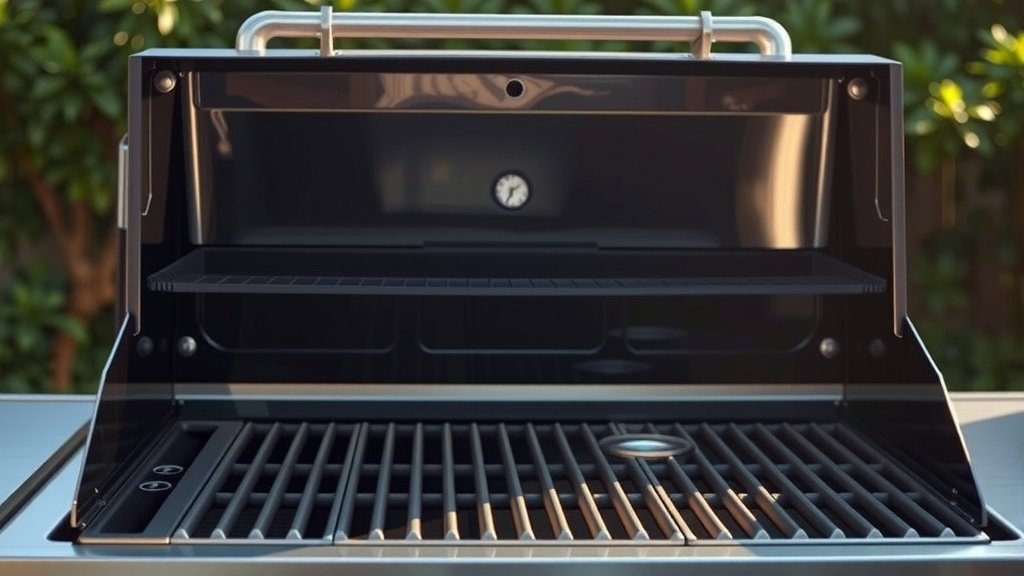
To clean the inside of a gas grill, first disconnect the gas and let it cool completely. Then, remove and clean the grill grates, flame tamers, and drip pan separately using a brush and soapy water.
Scrape off any carbonized grease and food debris from the cook box and burner tubes, ensuring burner ports are clear, before reassembling your grill for peak performance and safety.
Here’s a quick rundown of what you’ll find in this guide:
- Safely disconnect your gas supply.
- Clean grill grates, flame tamers, and burner tubes.
- Address the cook box and grease management system.
- Discover expert tips for easier maintenance.
- Learn how often your grill needs a deep clean.
How To Clean The Inside Of A Gas Grill?
Cleaning the inside of a gas grill involves a careful process of disassembling key components and removing built-up grease and carbon. This keeps your grill running efficiently and your food tasting great.
Why Cleaning Your Gas Grill Matters
Imagine the delicious flavors you create on your gas grill. A clean grill isn’t just about aesthetics; it’s about food safety and performance. Burnt-on food and grease can transfer unpleasant flavors to your meals. No one wants last week’s steak residue on tonight’s chicken!
Beyond taste, a dirty grill can pose a fire hazard. Accumulated grease in the drip tray or on the burners can ignite, leading to dangerous flare-ups. Regular cleaning helps prevent these risks, ensuring you grill with peace of mind.
Safety First: What You Need Before You Start
Before you dive into cleaning, always remember safety. Disconnect your gas supply and ensure the grill is completely cool. Rushing into a hot grill is an invitation for trouble. We found that most grill incidents happen due to a lack of preparation (NFPA).
Gathering your tools beforehand makes the job much smoother. You wouldn’t start a road trip without packing, right? Think of this as your grill cleaning toolkit.
- Heavy-duty wire brush (brass or stainless steel)
- Stiff plastic scraper or putty knife
- Warm, soapy water (dish soap works wonders)
- Two buckets (one for soapy water, one for rinse)
- Sponge or cloth
- Rubber gloves
- Shop vac (optional, for loose debris)
- Newspaper or paper towels
Step-by-Step Guide to a Spotless Grill Interior
Let’s get your grill sparkling clean, piece by piece. This methodical approach ensures you don’t miss any critical areas. Think of it like a surgeon preparing for an operation; precision makes all the difference.
Disconnecting the Gas
This is non-negotiable. Turn off the gas supply at the propane tank valve or the natural gas line. Disconnect the regulator from the tank. Safety experts consistently stress this as the first and most important step.
Cleaning the Grill Grates
Your grill grates are where the magic happens. After grilling, allow them to cool slightly, but clean them while still warm for easier food removal. You can also clean them cold, but it might require more elbow grease. Many experts recommend cleaning grates after every use.
Scrub them thoroughly with a wire brush to remove food particles and grease. For stubborn spots, soak them in warm, soapy water. Some even use a pressure washer on durable cast iron grates (Consumer Reports). Rinse them well afterwards.
| Grates Material | Recommended Cleaning Method | Tips for Best Results |
|---|---|---|
| Cast Iron | Warm soapy water, wire brush, dry thoroughly, re-oil. | Prevents rust; re-seasoning is key. |
| Stainless Steel | Wire brush, non-abrasive cleaner, rinse. | Can tolerate stronger brushes; avoid harsh chemicals. |
| Porcelain-Enamel | Nylon brush, mild soapy water, soft cloth. | Do not use metal brushes; they can chip the coating. |
Dealing with Flame Tamers/Heat Diffusers
These metal plates sit above the burners and catch drippings. They get incredibly messy. Scrape off any carbonized bits with a plastic scraper. Wipe them down with a damp cloth or sponge soaked in warm, soapy water. We found that a paint scraper works wonders for this task.
Tackling the Burner Tubes
The burner tubes need careful attention. Use a soft brush or a grill brush to gently brush off any debris from the outside. More importantly, check the small ports along the burners. Use a toothpick or paperclip to carefully clear any clogged holes. This ensures an even flame and efficient cooking.
Scraping the Cook Box/Lid
The main cook box often collects loose carbon flakes and grease. Use your plastic scraper or putty knife to scrape down the sides and bottom. Push all the debris towards the grease tray opening. Many experts suggest using a shop vac to suck up loose particles. Don’t forget the inside of the lid, where condensation can cause grease to drip.
Washing the Grease Tray/Drip Pan
This is the grill’s waste management system. Remove the drip pan and empty any old grease into a disposable container. Wash the pan thoroughly with hot, soapy water. For stubborn grease, a degreaser can be helpful. A clean drip pan is vital for preventing flare-ups (Consumer Reports).
Common Mistakes to Avoid When Cleaning
Even with the best intentions, some missteps can happen. Don’t use abrasive cleaners on porcelain parts; they can scratch the finish. Also, avoid harsh chemical oven cleaners on stainless steel or aluminum, as they can cause discoloration or damage. Remember, gentle but thorough is the way.
Another common mistake is neglecting regular light cleaning. Waiting until the grill is a disaster makes the job much harder. A few minutes after each cook saves hours later on.
How Often Should You Clean Your Gas Grill?
Think of it like brushing your teeth: a quick clean after every meal, and a deeper clean periodically. Light cleaning, like brushing the grates, should happen after every cook. A full deep clean, addressing all internal components, is ideal every two to three months during grilling season, or at the start and end of the season (Weber Grills).
Pro Tips for Easier Future Cleanups
Want to make your next cleaning session less of a chore? Try lining your drip tray with aluminum foil before each cook; simply toss and replace the foil. You can also lightly oil your grates before and after cooking to prevent food from sticking. These small habits add up to big time savings.
Conclusion
Cleaning the inside of your gas grill might not be the most glamorous task, but it’s essential for safe, delicious grilling. By following these practical steps, you’ll extend your grill’s lifespan, prevent dangerous flare-ups, and ensure every meal tastes its best. Treat your grill right, and it will keep treating you to incredible food for years to come. Isn’t that worth a little effort?
How do I clean sticky grease off the inside of my gas grill?
For sticky grease, first scrape off excess with a plastic scraper. Then, apply a mixture of hot water and dish soap, letting it sit for 10-15 minutes to soften the grease. Scrub with a stiff brush and rinse thoroughly.
Can I use oven cleaner to clean the inside of my gas grill?
No, avoid using oven cleaner on gas grill interiors. It contains harsh chemicals that can damage aluminum or stainless steel components, ruin finishes, and leave residue that could be dangerous when heated.
What should I do if my grill burners are clogged?
If your grill burners are clogged, remove them and use a thin wire or a paperclip to clear out the small burner port holes. Gently brush the exterior of the burner tubes to remove any debris. Never use water inside the burner tubes.
How do I prevent rust on my cast iron grill grates after cleaning?
To prevent rust on cast iron grates, clean them thoroughly and dry them immediately after washing. Then, apply a thin layer of high-smoke-point cooking oil (like vegetable or canola oil) to re-season them before storing.
Is it okay to use a pressure washer on my gas grill?
You can use a pressure washer on some sturdy components like cast iron grates or the interior of the cook box, but be very cautious. Avoid spraying directly onto delicate parts like igniters, burner tubes, or electrical components, as this can cause damage or malfunction.
