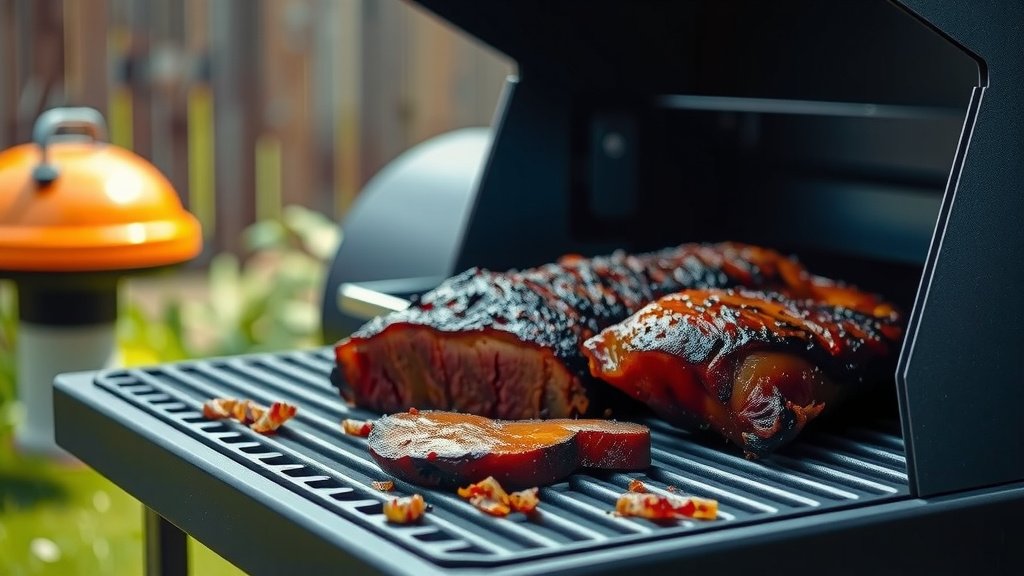
To smoke a brisket on a wood pellet grill, you first trim the fat, apply a flavorful rub, and then cook it low and slow at around 225-275°F until tender.
You will wrap the brisket usually once it hits the “stall” around 150-165°F internal temperature, then continue cooking until it probes like butter, typically around 200-205°F, followed by a long rest.
Here’s the straightforward scoop on smoking brisket on a pellet grill:
- Prep your brisket by trimming excess fat and seasoning it well.
- Set your pellet grill to a consistent low temperature, usually 225-275°F.
- Smoke until the internal temperature reaches the “stall,” then wrap it tightly.
- Continue cooking until the brisket is incredibly tender, around 200-205°F.
- Always allow for a long resting period to ensure juicy results.
How To Smoke A Brisket On A Wood Pellet Grill?
Smoking a brisket on a wood pellet grill means setting your grill to a low temperature and letting it cook for many hours until it is incredibly tender. You will manage the temperature easily and achieve a great smoke flavor.
Why Choose a Pellet Grill for Brisket?
Pellet grills offer fantastic temperature control, which is key for brisket. You set a temperature, and the grill largely holds it, taking much guesswork out of the process. This consistency helps prevent dry or unevenly cooked meat.
They also produce a steady stream of smoke. This means your brisket gets that classic smoky flavor without you needing to constantly feed wood or adjust vents. It’s a more hands-off experience once you get started (Grilling Publications often highlight this convenience).
The Brisket Cut: Understanding Your Meat
When you buy brisket, you usually find it as a “full packer.” This means it has both the flat and the point muscles together. The flat is leaner, while the point is richer and fattier.
Some grocery stores sell just the flat or the point separately. For your best smoked brisket, we recommend a full packer brisket. It provides the ideal balance of fat and meat for juicy results.
Picking the Right Pellet Blend
The type of wood pellets you choose can make a big difference in flavor. Different woods impart different tastes. For beef brisket, you want a strong, robust smoke.
Many experts say woods like hickory, oak, or mesquite are perfect for brisket. A competition blend, which mixes several hardwoods, also works very well. Experiment to find your personal favorite smoke flavor.
Essential Tools for Smoking Brisket
You don’t need a full arsenal of tools, but a few items are crucial for success. These items help you monitor and handle your brisket properly.
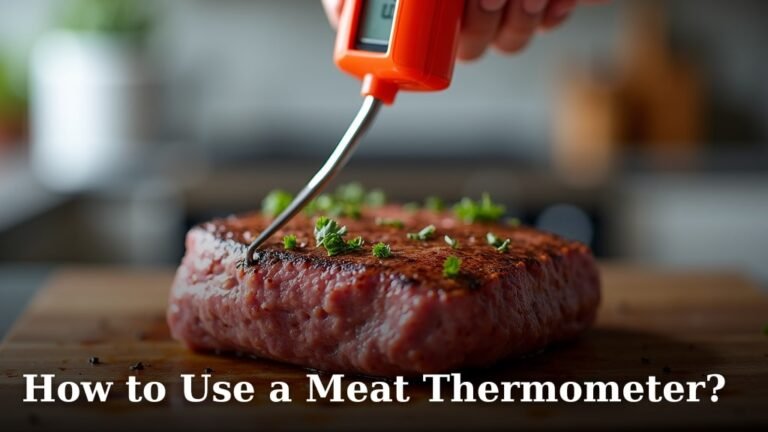
- A reliable leave-in meat thermometer is your best friend.
- Good quality butcher paper or heavy-duty foil for wrapping.
- A sharp slicing knife for serving.
- Heat-resistant gloves for handling the hot meat.
- A spray bottle for spritzing (if you choose to do so).
Trimming Your Brisket Like a Pro
Trimming is where you truly begin to shape your brisket’s fate. You want to remove hard, thick fat that won’t render during the cook. Also, you should shape the brisket for even cooking and airflow.
Aim for a fat cap about 1/4 to 1/2 inch thick on the top. This fat protects the meat and adds moisture. Trim away any silver skin or small, scraggly bits that would just burn (BBQ Pitmasters often emphasize this step).
Applying Your Brisket Rub
After trimming, it’s time for the rub. A good rub adds incredible flavor and helps form that beautiful bark. You can use a thin layer of binder first, like yellow mustard or hot sauce, if you wish.
Apply your rub liberally over the entire brisket. You want an even, generous coating on all sides. Don’t be shy; the brisket can handle a lot of flavor. Let it sit for at least an hour, or overnight in the fridge.
Setting Up Your Pellet Grill for Brisket
Consistency is key for pellet grill success. We found that a smoking temperature between 225°F and 275°F works best for brisket. Lower temperatures give more smoke flavor; higher temperatures cook faster.
Preheat your grill to your target temperature. Once it’s steady, place your brisket fat-side up or fat-side down, depending on your grill’s heat source location. Some grillers prefer fat-side up for protection, others fat-side down if the heat comes from below (Culinary experts sometimes suggest this).
The Smoking Process: Low and Slow
This is where patience pays off. Your brisket will cook for many hours. For the first few hours, just let it smoke. You can spritz it with apple cider vinegar or water every hour or two if you like, to help with bark formation and moisture.
Avoid opening the lid too often. “If you’re looking, it’s not cooking!” as the old saying goes. Every time you open the lid, heat escapes, and your cooking time extends. This phase is all about absorbing that smoky goodness.
The Brisket Stall: What It Is and How to Handle It
Around 150-165°F internal temperature, your brisket will hit “the stall.” This is when the temperature stops rising for a few hours. It’s totally normal and happens due to evaporative cooling on the surface of the meat.
To push through the stall, you usually “wrap” the brisket. This is sometimes called the Texas Crutch. Wrapping helps retain moisture and heat, allowing the temperature to climb again more quickly.
Wrapping Your Brisket: Foil vs. Butcher Paper
Choosing between foil and butcher paper is a classic BBQ debate. Both have merits. Here’s a quick comparison:
| Feature | Foil Wrap | Butcher Paper Wrap |
|---|---|---|
| Moisture Retention | Very High | High (allows some breathability) |
| Bark Protection | Can soften bark | Helps preserve bark better |
| Cook Time | Potentially faster | Slightly slower than foil |
| Ease of Use | Easier to seal tightly | Requires more careful wrapping |
If you want a firmer bark, many choose butcher paper. For maximum moisture and a faster cook, foil works well. Both are effective at getting through the stall.
Monitoring Internal Temperature
Temperature is your guide to doneness. While an exact number varies, we found that most briskets are finished between 200-205°F internal temperature. However, doneness is really about tenderness, not just a number.
Once your brisket reaches this range, start probing it with your thermometer. It should feel like pushing into warm butter with very little resistance (Professional Chefs often use this “probe tender” test). Different parts of the brisket, especially the flat, might need more time.
The Resting Phase: Don’t Skip It!
This is arguably the most critical step after cooking. Seriously, do not cut into your brisket right away! When meat cooks, its muscle fibers tighten, pushing out moisture. Resting allows these fibers to relax and reabsorb juices.
Rest your brisket, still wrapped, in an insulated cooler for at least 2-4 hours. Some experts even recommend longer, up to 6 hours (USDA guidelines suggest proper resting for food safety and quality). This resting period makes your brisket incredibly juicy and tender.
Slicing Your Perfect Brisket
Slicing brisket correctly is essential for tenderness. Brisket has two distinct muscles (flat and point) with grains running in different directions. You must slice against the grain for both sections.
First, separate the flat from the point. Then, turn each piece and slice against its grain into pencil-thick slices. Slicing with the grain will make the meat tough and chewy, regardless of how well you cooked it. Enjoy your beautifully smoked masterpiece!
Conclusion
Smoking a brisket on a wood pellet grill is a rewarding experience that produces incredibly tender and flavorful meat. By following these steps – from careful trimming and seasoning to patient, low-and-slow cooking, and especially a long rest – you’ll achieve fantastic results. Don’t be afraid to experiment with rubs and pellets to find your perfect brisket. It’s a journey that’s absolutely worth it.
FAQ: How long does it take to smoke a 10-pound brisket on a pellet grill?
A 10-pound brisket typically takes about 8 to 12 hours to smoke on a pellet grill at 225-275°F. However, cooking time can vary greatly based on the brisket’s thickness, fat content, and specific grill conditions, so always cook to tenderness, not time.
FAQ: What is the ideal internal temperature for a finished brisket?
The ideal internal temperature for a finished brisket is usually between 200-205°F, but more importantly, it should be “probe tender.” This means a thermometer or skewer slides into the meat with very little resistance, much like pushing into warm butter.
FAQ: Should I flip my brisket during the smoke?
Generally, you do not need to flip your brisket during the smoking process on a pellet grill. These grills provide consistent heat and smoke from all directions, especially if you have a diffuser. Flipping can disrupt the cooking process and isn’t necessary for even results.
FAQ: Can I smoke a brisket without wrapping it?
Yes, you can smoke a brisket without wrapping it, often called a “naked brisket” or “Texas style.” This method typically results in a thicker, firmer bark, but it can also lead to a longer stall period and potentially a drier brisket if not managed carefully. Many pitmasters enjoy the extra bark this method provides.
FAQ: How do I store leftover smoked brisket?
To store leftover smoked brisket, allow it to cool completely, then slice it or keep it in larger pieces. Store it in an airtight container in the refrigerator for up to 3-4 days. For longer storage, you can vacuum seal portions and freeze them for several months, often up to 6 months without significant loss of quality.