
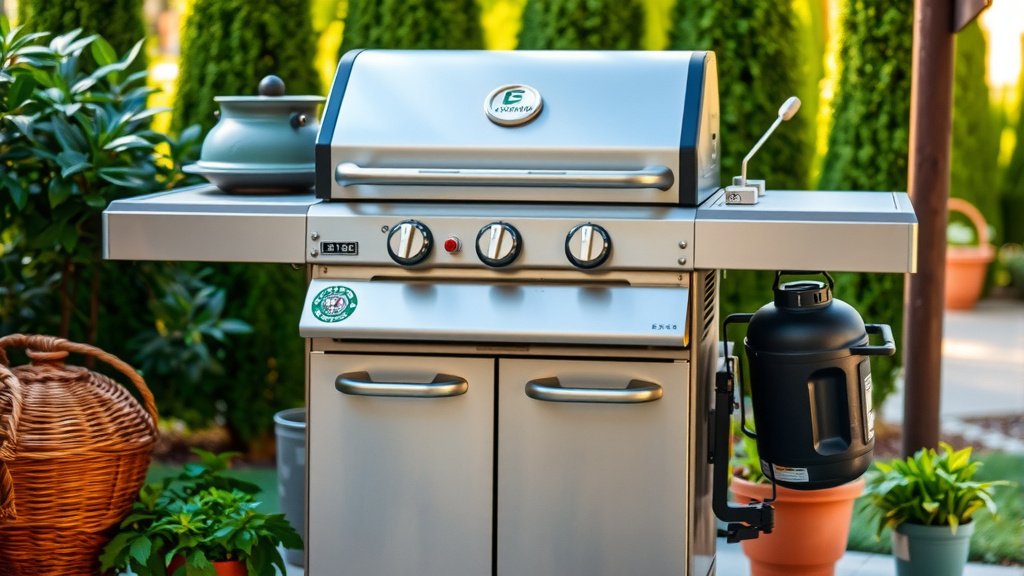
To clean a propane BBQ grill, start by ensuring it is cold and the gas supply is off, then scrape debris from grates and interior components.
For a thorough cleaning, remove grates, flavorizer bars, and burners to scrub them with a degreaser or soapy water, and clean the firebox and drip pan.
TL;DR: Keep your propane BBQ grill sparkling clean and safe with these simple steps:
- Always turn off your gas supply and let the grill cool completely.
- Scrape cooking grates after each use to prevent food build-up.
- Perform a deep clean regularly, scrubbing grates, flavorizer bars, and burners.
- Empty and clean the drip pan often to avoid grease fires.
- Wipe down the exterior for a shiny, well-maintained look.
How To Clean A Propane BBQ Grill?
Cleaning your propane BBQ grill is simpler than you might think. You just need a few basic tools and a bit of time to make it shine again.
Why Clean Your Propane Grill?
Keeping your grill clean isn’t just about appearances. A clean grill works better and lasts longer, providing many seasons of great food. We found that regular maintenance prevents common grilling problems.
Better Food Taste
Imagine cooking juicy steaks on a clean surface. Burnt-on food bits from past meals can transfer old, bitter flavors to your fresh food. A clean grill means pure, delicious flavors every time you cook.
Extends Grill Life
Grease and food debris can clog burners and corrode internal parts. This leads to inefficient heating and costly repairs. Cleaning protects your investment, helping your grill stay in top working condition for years.
Before You Begin: Safety First
Before you grab your brushes, always prioritize safety. This step is non-negotiable for your well-being. Many experts say that rushing this can lead to accidents (Consumer Reports).
Disconnect Your Propane Tank
First, turn off the gas at the tank valve. Then, disconnect the gas line from your grill. This removes any gas supply, preventing accidental leaks or ignition during cleaning. Make sure your grill is completely cold before you start.
Gather Your Cleaning Supplies
Having everything ready saves time and effort. Here’s what you’ll typically need:
- A sturdy wire grill brush (or a bristle-free alternative)
- Rubber gloves to protect your hands
- Bucket of warm, soapy water (dish soap works well)
- Degreaser or grill cleaner spray
- Scraper tool (for tough build-up)
- Sponge or scrub pad
- Clean cloths or paper towels
- Optional: Aluminum foil, old newspaper, a plastic tub for soaking
Step-by-Step Grill Cleaning Process
Let’s get down to business! Breaking the process into smaller steps makes it feel less daunting. You can tackle one area at a time, making it manageable.
Cleaning the Grill Grates
The grates are where all the cooking action happens. They need the most attention to remove charred food and grease. A clean grate also prevents food from sticking.
Initial Burn-Off and Brushing
If your grill is still warm (but gas is off!), a quick brush helps. Turn the grill on high for 10-15 minutes, then turn it off. Once cool, use a grill brush to scrape off loose bits. This initial heat makes food residue softer and easier to remove.
Deep Cleaning Grates
For a thorough clean, remove the grates from the grill. Place them in a large tub or utility sink filled with hot, soapy water. Let them soak for at least 30 minutes, or even overnight for stubborn grime. Scrub with your grill brush or a heavy-duty scour pad. Rinse them thoroughly and let them air dry.
Here’s a comparison of cleaning different grate materials:
| Grate Material | Recommended Cleaning | Considerations |
|---|---|---|
| Cast Iron | Warm soapy water, stiff brush. Re-season after cleaning. | Prone to rust if not dried and seasoned properly. |
| Stainless Steel | Warm soapy water, degreaser, wire brush or scour pad. | Durable, but can scratch. Avoid abrasive cleaners. |
| Porcelain-Coated | Mild soap, soft brush or sponge. | Do not use wire brushes as they can chip the coating. |
Caring for Flavorizer Bars and Heat Tents
These metal pieces sit above your burners, distributing heat and vaporizing drippings. They can get very greasy. Carefully lift them out. Scrape off any baked-on gunk with a putty knife or scraper. If they are heavily soiled, you can wash them with hot, soapy water and a stiff brush. Rinse and dry them well before putting them back.
Cleaning Burners and Venturi Tubes
This part requires a gentle touch. The burner tubes have small holes where the gas exits. Use a stiff wire brush to clean the exterior of the burners. For clogged burner holes, a paperclip or a specialized burner cleaning tool works well. Do not use toothpicks, as they can break inside. Also, check the venturi tubes for spider webs, which can block gas flow (NIH research suggests this is a common issue for outdoor equipment).
Maintaining the Firebox and Drip Pan
The firebox is the bottom interior of your grill. Scrape out any fallen food bits, ash, and grease with a plastic or metal scraper. Push all this debris into the drip pan below. Remove the drip pan, empty it, and wash it thoroughly with hot, soapy water. Lining the drip pan with aluminum foil can make future clean-ups much easier.
Exterior Cleaning and Shine
Now for the outside! A gleaming exterior makes your grill look brand new. This final touch provides a satisfying finish to your hard work.
Wiping Down Surfaces
Use a damp cloth and mild dish soap to wipe down the lid, side tables, and front panel. For stainless steel, a specialized stainless steel cleaner can remove streaks and fingerprints, leaving a brilliant shine. Always wipe with the grain of the steel for the best results.
Regular Maintenance Tips
Prevention is always better than cure. A few quick actions after each use will dramatically reduce the need for deep cleaning. This keeps your grill ready for action.
After Every Use
After you finish cooking and the grill cools down slightly, scrape the grates. Close the lid and let the heat burn off any remaining food bits for about 10-15 minutes. Then, brush the grates clean with your grill brush before the next use. This simple step is a game-changer for cleanliness.
Seasonal Deep Clean
Many grill enthusiasts recommend a full, detailed clean at least twice a year. Once at the start of grilling season and again before storing it for winter. This ensures longevity and optimal performance. Some people clean it quarterly if they use it very frequently.
Quick Cleaning Checklist
- Brush grates after every cook.
- Check and empty the drip pan regularly.
- Wipe down exterior surfaces as needed.
- Inspect burners for clogs every few months.
- Perform a full deep clean biannually.
Conclusion
Cleaning your propane BBQ grill might seem like a chore, but it’s a vital part of owning one. You’ll enjoy better-tasting food, a safer cooking environment, and a grill that lasts for many more seasons. Take a little time to care for your grill, and it will surely reward you with countless delicious meals. Happy grilling!
How often should I deep clean my propane grill?
Most experts suggest deep cleaning your propane grill at least twice a year: once at the beginning of the grilling season and again before storing it for the colder months. If you grill frequently, like several times a week, a quarterly deep clean might be beneficial.
Can I use oven cleaner to clean my grill grates?
Using oven cleaner on grill grates is generally not recommended, especially for cast iron or porcelain-coated grates. Oven cleaners can be very harsh and may damage the finish or seasoning. Instead, stick to dedicated grill cleaners, warm soapy water, and a good scrub brush.
What should I do if my grill burners are not lighting evenly?
Uneven burner lighting often points to clogged burner holes or venturi tubes. Disconnect the gas and remove the burners. Use a wire brush to clean the outside, and a paperclip to clear individual gas ports. Check the venturi tubes for any obstructions like spider webs or debris.
Is it okay to leave my grill outside all year round?
While many grills are built for outdoor use, leaving them uncovered in harsh weather can shorten their lifespan. Investing in a good quality grill cover is highly recommended. It protects against rain, snow, dust, and UV rays, keeping your grill looking good and functioning well.
How do I prevent rust on my cast iron grill grates?
To prevent rust on cast iron grates, always dry them thoroughly after cleaning. Then, apply a thin layer of cooking oil (like vegetable or canola oil) to all surfaces. This process, called seasoning, creates a protective barrier. Store them in a dry environment, ideally inside a covered grill.
