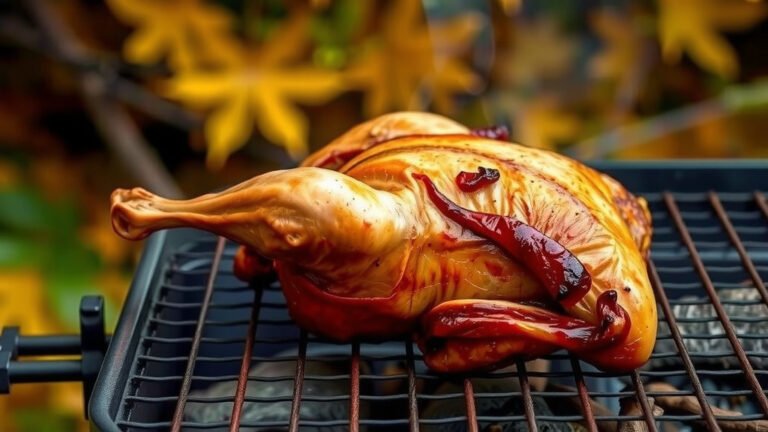
To smoke ribs in a smoker grill, maintain a consistent temperature between 225-275°F, often using the 3-2-1 method, which involves three hours of smoke, two hours wrapped, and one hour unwrapped with sauce.
You’ll achieve tender, flavorful ribs by selecting the right wood, applying a good rub, and monitoring the internal temperature until they reach a bend test or around 195-203°F.
- Get juicy ribs by using the 3-2-1 method: smoke for 3 hours, wrap for 2 hours, then finish unwrapped for 1 hour.
- Keep your smoker grill steady between 225-275°F.
- Always apply a dry rub to your ribs at least an hour before smoking, or even overnight.
- Use a meat thermometer; ribs are often ready when they hit 195-203°F internal temperature.
- Rest your ribs for 15-20 minutes after smoking for maximum juiciness and flavor.
How To Smoke Ribs In A Smoker Grill?
Smoking ribs on a smoker grill means creating delicious, fall-off-the-bone meat with a rich smoky flavor. It requires patience and attention to detail, but anyone can master it with the right steps.
Choosing Your Ribs Wisely
When you head to the store, you’ll often see two main types: baby back ribs and spare ribs. Baby backs are smaller and leaner, coming from closer to the loin. Spare ribs are larger, meatier, and have more fat, which often translates to more flavor. Many experts say that spare ribs offer a richer experience (Culinary Institute of America).
Look for ribs with good marbling, which are those streaks of fat within the meat. This marbling melts during cooking, keeping your ribs moist and tender. Avoid ribs that look dry or have excessive fat on the surface.
The Magic of Rubs and Prep
A good dry rub is your secret weapon for amazing ribs. It creates a flavorful crust and helps tenderize the meat. We found that a mix of brown sugar, paprika, garlic powder, onion powder, salt, and black pepper is a popular base.
Before applying the rub, you need to remove the membrane from the back of the ribs. This thin, silverskin layer can be tough and prevent the smoke and rub from penetrating the meat. Just slide a knife under it at one end, then grab it with a paper towel and pull it off. You’ll be glad you did.
Once the membrane is gone, generously coat both sides of your ribs with the dry rub. Don’t be shy! For best results, let the ribs sit with the rub on for at least an hour, or even overnight in the refrigerator. This allows the flavors to meld and sink in.
Prepping Your Smoker Grill
Getting your smoker ready is just as important as prepping the ribs. You want a consistent, low temperature. First, clean your grates to prevent sticking. Then, fill your charcoal basket or wood chip box.
Charcoal provides the base heat, and wood chips or chunks add the smoke flavor. We’ll talk about wood choices shortly, but having your fuel ready is key to maintaining stable temperatures. Many sources agree that consistent heat is the goal for excellent smoked meats.
Setting the Ideal Temperature
For ribs, the sweet spot for smoking temperature is generally between 225°F and 275°F. Aim for 225°F for a longer, slower cook, or up to 275°F if you’re a bit pressed for time. Consistency is more important than hitting one exact number.
Use your smoker’s built-in thermometer, but consider adding a separate, reliable digital thermometer. Place the probe near your ribs, not just at the lid, for the most accurate reading of the cooking environment. Fluctuations are normal, but try to keep it within your target range.
The 3-2-1 Method: A Smoker’s Friend
This method is a favorite for many pitmasters because it reliably produces tender, juicy ribs. It breaks the smoking process into three distinct phases:
- 3 Hours: Smoke the ribs directly on the grates. This is where they absorb most of their smoky flavor and develop a nice bark.
- 2 Hours: Wrap the ribs tightly in foil with a splash of apple juice or cider vinegar. This steams the ribs, making them incredibly tender.
- 1 Hour: Unwrap the ribs, apply your favorite BBQ sauce, and put them back on the smoker to firm up and let the sauce caramelize.
Spritzing for Moisture
During the first three hours, some people like to spritz their ribs every hour or so. This involves lightly misting them with apple cider vinegar, apple juice, or even beer. It keeps the surface moist, helps the smoke adhere, and prevents the ribs from drying out.
Spritzing is not strictly necessary, but many home smokers find it improves the final texture and juiciness. Just open the lid briefly to spritz, trying not to let too much heat escape.
Wrapping for Tenderness
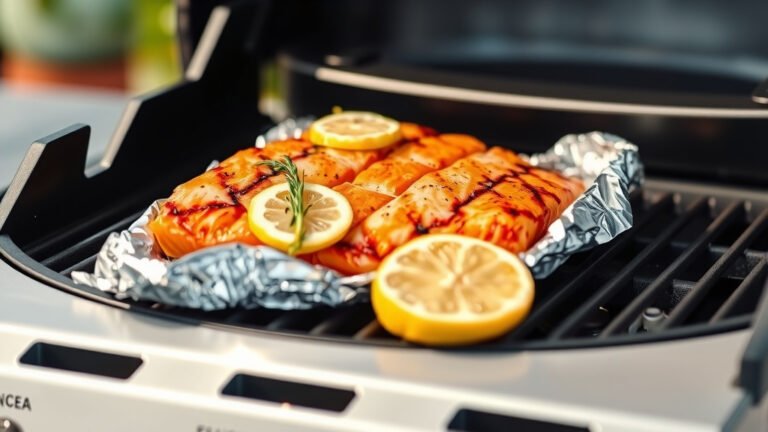
After the initial smoking phase, wrapping your ribs in foil is critical. This creates a moist, steamy environment that breaks down connective tissues, making the ribs incredibly tender. Add a small amount of liquid, like apple juice or broth, inside the foil packet.
Seal the foil tightly to prevent steam from escaping. Place the wrapped ribs back on the smoker for the designated time. This step is often called the “Texas Crutch” and is widely used for achieving that perfect bite.
The Final Glaze
In the final hour, you’ll unwrap the ribs and apply your favorite BBQ sauce. This allows the sauce to thicken and caramelize, adding a delicious finish. Be careful not to apply sauce too early in the cook, as many sauces contain sugar that can burn at high temperatures or over long periods.
Let the sauce set on the ribs for the final hour, adding a beautiful sheen and extra layer of flavor. Some people prefer to leave them unsauced for a purer smoky taste; it’s all about your preference.
Finding the Best Wood for Ribs
The type of wood you choose greatly impacts the final flavor of your smoked ribs. Different woods offer different smoke profiles, from mild and fruity to bold and strong.
| Wood Type | Flavor Profile | Best For |
|---|---|---|
| Apple | Mild, sweet, fruity | Pork, poultry |
| Cherry | Mild, fruity, slightly sweet | Pork, beef, poultry |
| Hickory | Strong, savory, bacon-like | Pork, beef |
| Oak | Medium, classic BBQ flavor | Beef, pork, game |
| Pecan | Mild, nutty, subtle sweet | Pork, poultry, fish |
We often find that fruitwoods like apple or cherry are excellent choices for ribs, offering a pleasant sweetness without overpowering the meat. Hickory or oak also work well for a more traditional, robust smoke flavor. Avoid mesquite for ribs, as it can be too strong and bitter for the delicate pork flavor.
Watching Internal Temperature
While the 3-2-1 method is a great guide, the ribs are truly done when they reach the right internal temperature and tenderness. For ribs, you’re looking for them to be around 195°F to 203°F. Insert a meat thermometer into the thickest part of the meat, avoiding the bone.
Another reliable test is the “bend test.” Pick up one end of a rack with tongs. If the rack bends significantly and cracks start to appear on the surface, your ribs are likely ready. They should feel tender, but not completely falling apart from the bone.
The Importance of Resting Ribs
Just like any cooked meat, ribs benefit greatly from resting after they come off the smoker. Tent them loosely with foil and let them sit for 15-20 minutes. This allows the juices to redistribute throughout the meat, resulting in a more moist and flavorful rib.
Cutting into them immediately can cause those precious juices to run out, leaving you with drier ribs. Patience here really pays off!
Common Rib Smoking Mistakes
Even seasoned grillers make mistakes. Here are a few to watch out for:
- Uneven Temperatures: Fluctuating heat can lead to tough or dry ribs. Keep an eye on your smoker’s thermometer.
- Too Much Smoke: Adding too much wood, especially strong woods, can make your ribs taste bitter. A light, consistent smoke is best.
- Not Removing the Membrane: Forgetting this step means chewy ribs that don’t absorb flavor well.
- Overcooking: While you want tender, you don’t want mushy. The bend test is your friend.
- Saucing Too Early: Sugar in sauces can burn, creating a bitter crust if applied at the start of the cook.
Rib Smoking Day Checklist
- Remove membrane from ribs.
- Apply dry rub generously.
- Preheat smoker to 225-275°F.
- Add chosen wood chips or chunks.
- Smoke ribs for 3 hours.
- Wrap ribs with liquid for 2 hours.
- Unwrap, sauce, and cook for 1 hour.
- Check internal temperature (195-203°F).
- Perform the bend test for tenderness.
- Rest ribs for 15-20 minutes.
Conclusion
Smoking ribs in a smoker grill is a rewarding experience that produces incredibly flavorful and tender meat. By following the 3-2-1 method, managing your smoker’s temperature, and paying attention to details like wood choice and resting, you’ll impress anyone lucky enough to try your ribs. Remember, practice makes perfect, so don’t be afraid to experiment and find what works best for you and your smoker. Happy smoking!
What is the ideal internal temperature for smoked ribs?
The ideal internal temperature for smoked ribs is between 195°F and 203°F. This range ensures the connective tissues have broken down sufficiently, leading to tender, juicy meat without being completely mushy.
How do I know if my ribs are done without a thermometer?
Without a thermometer, you can use the “bend test.” Pick up one end of a rack with tongs. If the rack bends significantly and cracks start to appear on the surface of the meat, it’s a good sign your ribs are ready. The meat should also pull away easily from the bone.
Can I smoke ribs without wrapping them in foil?
Yes, you can smoke ribs without wrapping them in foil. This method often results in a tougher texture but allows for a stronger bark and more intense smoke flavor. It’s a matter of preference; wrapping typically yields more tender results.
What kind of liquid should I use when wrapping ribs?
When wrapping ribs, common liquids include apple juice, apple cider vinegar, beer, or even chicken broth. These liquids add moisture and subtly infuse flavor into the ribs during the steaming process, contributing to their tenderness.
How long should I rest my smoked ribs?
You should rest your smoked ribs for 15 to 20 minutes after taking them off the smoker. Tent them loosely with foil. This resting period allows the meat fibers to relax and reabsorb juices, making the ribs more moist and flavorful when you slice into them.