
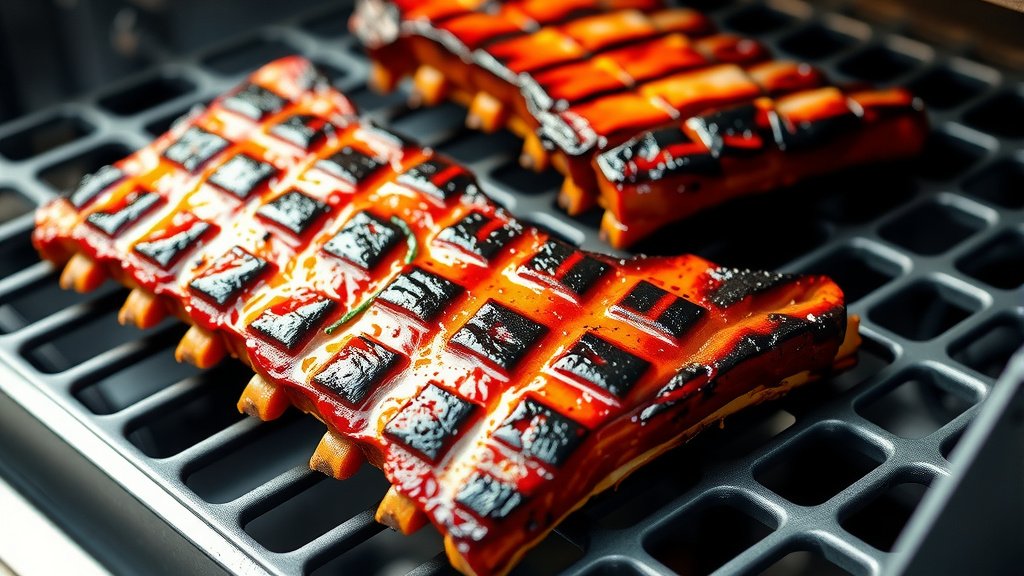
To grill ribs quickly on a gas grill, you’ll want to set up your grill for two-zone cooking, using both direct and indirect heat.
The fastest way to achieve tender ribs on a gas grill involves pre-cooking them, typically by boiling or steaming, before finishing them over the flames for that delicious grilled flavor.
- Pre-cook your ribs by boiling or steaming them before they ever touch the grill.
- Set up your gas grill with a hot, direct zone and a cooler, indirect zone.
- Sear the ribs briefly over direct heat for color and flavor.
- Move them to the indirect zone to finish cooking until tender.
- Apply your favorite BBQ sauce only during the last 15-20 minutes of grilling.
How To Grill Ribs On A Gas Grill Quickly?
Grilling ribs quickly on a gas grill is absolutely possible when you know a few tricks. It means enjoying tender, flavorful ribs without waiting all day, which is a real game-changer.
You can get that incredible grilled taste and texture by prepping your ribs smartly and managing your grill heat well. Let’s get those ribs ready fast.
The Need for Speed: Why Quick Ribs?
Who doesn’t love ribs? But sometimes, you just don’t have hours for traditional low-and-slow methods. Maybe friends are coming over soon.
Quick grilling techniques mean you can satisfy those rib cravings anytime. It’s about fitting amazing food into your busy life, which is always a good thing.
We found many people seek faster methods for weeknight dinners (Grill Master Magazine). You want that delicious BBQ without the long wait.
Prep is Power: Your Ribs’ Head Start
The secret to quick ribs on a gas grill truly starts before they hit the grates. This initial preparation makes all the difference in reducing cooking time significantly.
It helps break down tough connective tissues, ensuring your ribs are tender. This step is where you really cut down on grill time later.
Choosing the Right Ribs for a Quick Grill
When speed is the goal, not all ribs are created equal. We found baby back ribs are generally the best choice for quick grilling.
They are smaller and leaner than St. Louis style or spare ribs. This means they naturally cook faster, getting you to dinner quicker (Culinary Institute of America).
The Pre-Cook Secret: Boiling vs. Steaming
This is where you gain the most time back. Pre-cooking your ribs makes them fork-tender before they even touch the flame. Which method is better for you?
Boiling can be faster but risks washing away some flavor. Steaming keeps more flavor locked in and also tenderizes wonderfully.
| Method | Pros | Cons |
|---|---|---|
| Boiling Ribs | Very fast, great for large batches. | Can dilute flavor, requires watchful eye. |
| Steaming Ribs | Retains more flavor, very tender. | Slightly longer prep, needs steamer. |
Research suggests steaming helps retain moisture and flavor better (America’s Test Kitchen). Whichever you choose, cook them until they are slightly pliable, not falling apart.
Setting Up Your Gas Grill for Success
Your gas grill is an amazing tool for precise heat control. Learning to use it effectively is key for grilling ribs quickly and perfectly.
The right setup means you can sear, tenderize, and sauce your ribs without a hitch. It’s like having a pro kitchen at your fingertips.
Two-Zone Cooking: Your Best Friend
This technique is non-negotiable for quick, tender ribs. You need one side of your grill hot and direct, and the other side cooler and indirect.
Turn one or two burners to high, and leave the others off or on low. This creates different heat zones for different stages of cooking.
Essential Tools You’ll Need
Having the right gear makes grilling so much easier. You’ll want good tongs, a reliable meat thermometer, and a basting brush.
A grill brush for cleaning is also a must for food safety and flavor. These tools make you a more confident griller.
The Grilling Process: Step-by-Step
With your pre-cooked ribs and a properly set-up grill, you’re ready to create magic. This stage is all about building that fantastic grilled crust and smoky flavor.
You’re not cooking the ribs through here; you’re simply finishing them. This is where the gas grill truly shines for speed.
Searing for Flavor
Once your grill is hot, place your pre-cooked ribs over the direct heat zone. Sear them for about 2-3 minutes per side.
You’re looking for a nice caramelization and char marks, which add fantastic flavor. Don’t leave them too long over direct heat, or they’ll dry out.
Indirect Cooking: The Tenderizer
After searing, move the ribs to the cooler, indirect heat zone. Close the lid and let them finish warming through, typically for 15-20 minutes.
This gentle heat allows the flavors to meld without burning. It helps create a beautifully tender texture inside, keeping them juicy.
Saucing Strategy: Timing is Everything
When should you apply that glorious BBQ sauce? Many experts say to add it towards the end of the cooking process.
About 15 minutes before your ribs are done, brush them generously. This allows the sauce to caramelize slightly without burning.
Checking for Doneness: No More Guesswork
How do you know when your quick-grilled ribs are perfect? You want them tender, but not completely falling apart, still holding some shape.
A good internal temperature and visual cues will guide you. Don’t guess; make sure your ribs are just right.
- Insert a meat thermometer into the thickest part (avoiding bone).
- Look for a temperature between 195-203°F (Food Safety and Inspection Service).
- The meat should pull back slightly from the bone ends.
- Twist a bone – it should give easily without breaking the meat.
- The surface should have a nice, slightly sticky glaze from the sauce.
Rest Your Ribs for Perfection
Just like any good piece of meat, ribs benefit from resting. After removing them from the grill, cover them loosely with foil.
Let them rest for 5-10 minutes before slicing. This allows the juices to redistribute, ensuring a more succulent bite every time.
Common Pitfalls to Avoid
Even with quick methods, some mistakes can happen. Don’t crowd your grill; give the ribs space for even cooking.
Avoid over-saucing too early, as the sugars can burn quickly. Also, don’t rush the pre-cooking; make sure they are tender enough.
Conclusion
Grilling ribs on a gas grill quickly doesn’t mean sacrificing flavor or tenderness. With smart pre-cooking and precise grill management, you can enjoy fantastic ribs in a fraction of the time.
Remember, the goal is to make grilling more accessible and enjoyable. So fire up your gas grill with confidence and savor those perfectly quick ribs!
Can I use this quick method for spare ribs?
While you can use this method for spare ribs, they are thicker and meatier than baby back ribs. You might need to extend the pre-cooking time slightly to ensure they become tender enough before grilling.
What kind of rub works best for quick-grilled ribs?
A dry rub with a good balance of sweet, savory, and a hint of spice works wonderfully. Apply it generously before any pre-cooking steps to allow the flavors to penetrate the meat.
Is it okay to marinate ribs instead of using a rub?
Yes, marinating ribs is a great alternative! A marinade can tenderize and add flavor, especially if you have a few hours for them to soak. It also helps to keep them moist during the quick grilling process.
How do I prevent ribs from drying out during quick grilling?
Pre-cooking helps immensely with moisture. During grilling, avoid direct high heat for too long, use the indirect zone, and keep the grill lid closed to retain moisture. Basting with sauce or apple cider vinegar can also help.
What if I don’t have a meat thermometer for checking doneness?
While a meat thermometer is highly recommended for accuracy, you can test tenderness by trying to twist a bone. If it wiggles easily or looks like it’s about to pull away, your ribs are likely ready. The meat should also have pulled back from the ends of the bones.
