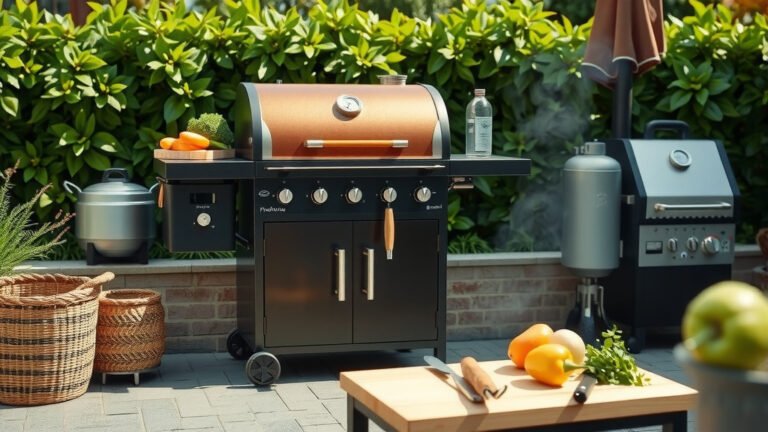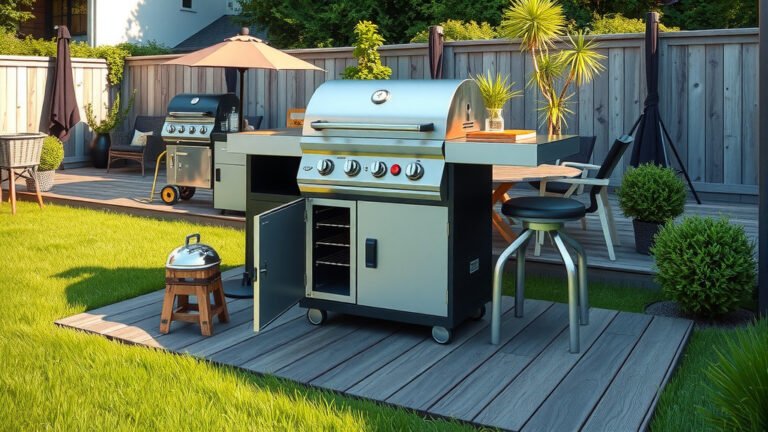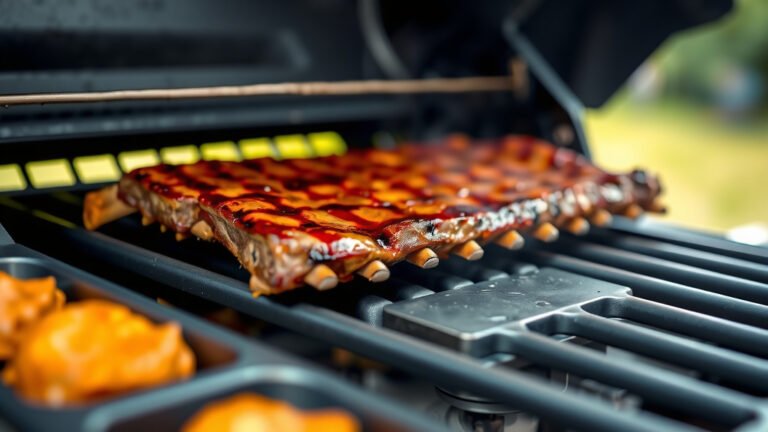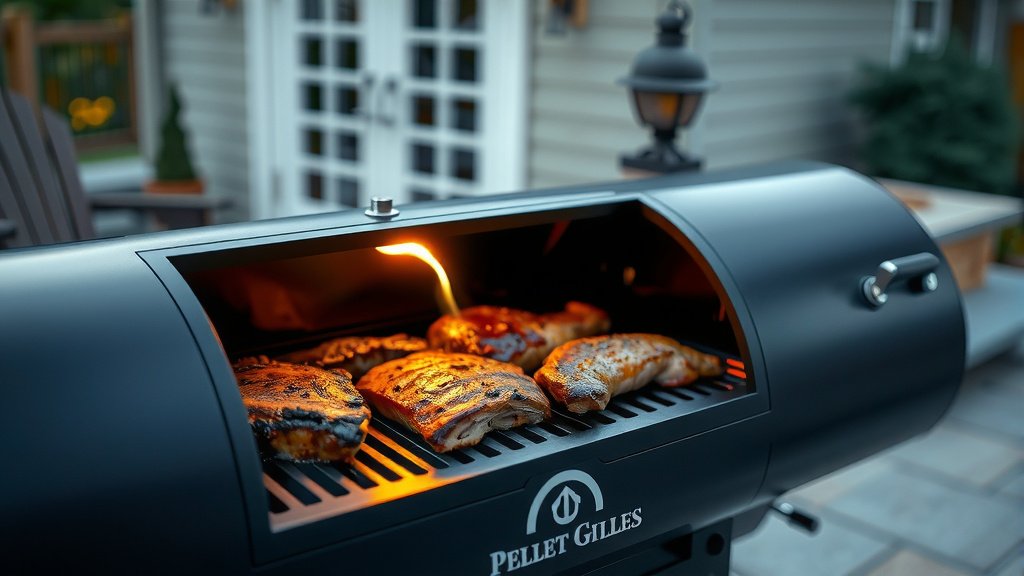
To smoke on a pellet grill, you can cook almost anything from classic BBQ cuts like brisket and ribs to poultry, fish, vegetables, and even desserts.
The versatility of a pellet grill allows you to infuse a rich, smoky flavor into a wide array of foods with consistent results, making it ideal for beginners and pros alike.
- Pellet grills excel at smoking meats like brisket, ribs, and pulled pork with ease.
- Chicken, turkey, and various fish also absorb delicious smoky flavors beautifully.
- Don’t overlook vegetables, cheese, and even nuts for a smoky transformation.
- Experimenting with different wood pellet types lets you customize your flavor profiles.
- The consistent temperature control of pellet grills makes them a top choice for smoking many foods.
What To Smoke On Pellet Grill?
A pellet grill opens up a world of smoky flavors for your cooking. These versatile machines manage heat precisely, taking the guesswork out of smoking.
You can smoke a vast selection of foods, from large cuts of meat to delicate fish and even cheese. It’s a fantastic way to add depth to your meals.
The King of the Smoke: Beef Cuts
When you think of smoking, beef often comes to mind first. Pellet grills are truly great for these larger, tougher cuts.
The low and slow cooking method tenderizes the meat wonderfully. It allows that rich, smoky taste to develop fully.
Perfecting Brisket on a Pellet Grill
Brisket is perhaps the most famous smoked dish. A pellet grill offers the stable temperature needed for a perfect brisket.
We found that cooking a brisket low and slow for many hours gives you a tender, flavorful result. Plan for plenty of time for this rewarding cook.
Smoked Chuck Roasts and Short Ribs
Chuck roasts are a more forgiving cut than brisket. They still absorb smoke beautifully, creating amazing pulled beef.
Short ribs, with their rich marbling, also transform into incredibly tender morsels. Many experts suggest they are an easier starting point than brisket.
Pork Perfection: Ribs, Pulled Pork, and More
Pork on a pellet grill is a true crowd-pleaser. From succulent ribs to flavorful pulled pork, the options are endless.
The fat content in pork helps keep it moist during long smokes. This leads to incredibly juicy and tender results every time.
Fall-Off-The-Bone Ribs Made Easy
Ribs are a staple for any smoker. Pellet grills excel at producing tender, flavorful ribs with minimal effort.
Whether you prefer baby back or spare ribs, the consistent smoke helps create that sought-after texture. You will find them easy to manage.
Pulled Pork for Crowd-Pleasing Meals
A pork butt, or Boston butt, is ideal for pulled pork. It’s a forgiving cut that yields tons of delicious meat.
We found that a long smoke on a pellet grill breaks down the connective tissues. This gives you incredibly tender, shreddable pork perfect for sandwiches.
Poultry Power: Chicken and Turkey
Don’t just think red meat; poultry takes on smoke flavor wonderfully. Chicken and turkey are both fantastic choices for your pellet grill.
The skin crisps up nicely, and the meat stays juicy. This method adds a fantastic dimension to familiar birds.
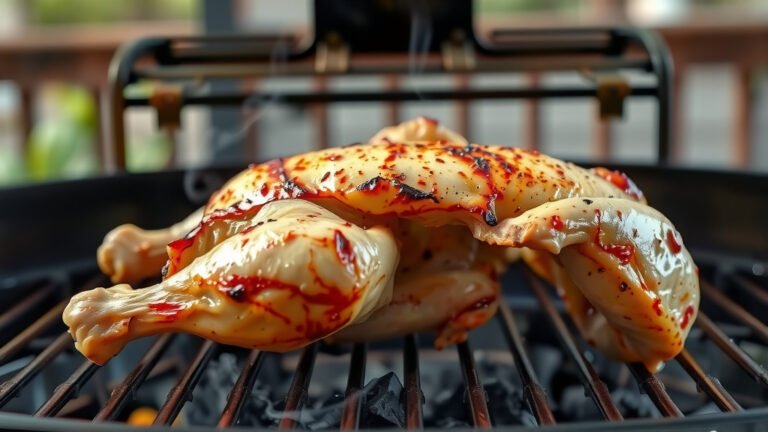
Whole Smoked Chicken: A Weeknight Treat
Smoking a whole chicken is surprisingly simple on a pellet grill. It’s an easy way to elevate a regular dinner.
Research often connects smoking poultry with unique flavor development (USDA). The steady temperature ensures even cooking.
Juicy Smoked Turkey for Holidays
Forget dry holiday turkeys. A pellet grill can deliver an incredibly moist and flavorful bird for your Thanksgiving spread.
The smoky aroma and taste impress guests. It also frees up oven space for other dishes, which is a real bonus.
Seafood Sensations: Fish and Shrimp
While meat often takes center stage, don’t forget about seafood. Fish and shellfish can also gain a wonderful character from smoke.
Smoking fish takes less time than meat, so it’s a quicker option. It offers a delicate yet profound flavor.
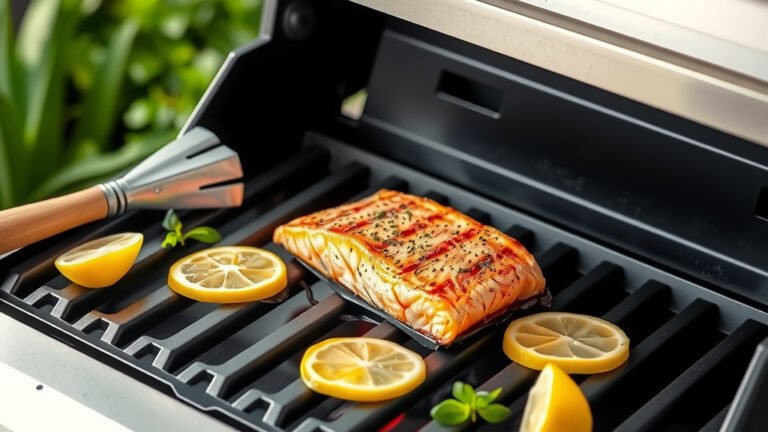
Smoking Salmon for Flaky Flavor
Salmon is a particularly good candidate for smoking. Its natural oils help it stay moist and absorb the smoke beautifully.
Many experts agree that a lower temperature smoke helps salmon cook perfectly. It results in a flaky, flavorful fillet.
Beyond Meat: Vegetables and Sides
Your pellet grill isn’t just for protein. Vegetables and side dishes can also benefit immensely from a kiss of smoke.
This adds an unexpected depth to familiar flavors. You can transform everyday ingredients into something special.
Smoked Veggies: Corn, Asparagus, and Potatoes
Corn on the cob takes on a sweet, smoky taste. Asparagus gets a unique char and flavor profile.
Potatoes, whether whole or cut into wedges, become incredibly savory. Try bell peppers and onions too for fajitas.
Creative Smoked Side Dishes
Think outside the box for sides. Smoked mac and cheese, for instance, is a game-changer. Even baked beans taste better with smoke.
Some people even smoke garlic or tomatoes for unique sauces. The possibilities are truly quite wide.
Unexpected Delights: Cheese, Nuts, and Desserts
Yes, you can smoke cheese! Cold smoking cheese gives it an incredible, savory depth. It’s fantastic for charcuterie boards.
Nuts like almonds or pecans also become addictive when smoked. For desserts, smoked fruit crumbles or even pies offer a surprising twist.
Choosing Your Pellets: A Flavor Guide
The type of wood pellets you use greatly affects the final flavor of your food. Different woods pair better with different ingredients.
Experiment to find your favorites. You can even blend different pellet types for custom smoke profiles.
| Pellet Type | Flavor Profile | Best Pairing |
|---|---|---|
| Hickory | Strong, bacon-like | Beef, Pork, Chicken |
| Apple | Mild, fruity, sweet | Pork, Poultry, Vegetables |
| Cherry | Sweet, subtle, red hue | Beef, Pork, Chicken, Duck |
| Mesquite | Very strong, earthy | Beef, Game Meats |
| Oak | Medium, balanced | Beef, Fish, Poultry |
Essential Tips for Pellet Grill Smoking Success
Getting great results on your pellet grill is straightforward. A few simple steps help ensure your success every time you fire it up.
Consistency and preparation are often the keys. Follow these guidelines to make your smoking experience enjoyable and delicious.
- Preheat your grill thoroughly before adding food.
- Use quality wood pellets for the best flavor.
- Keep the lid closed as much as possible to maintain temperature.
- Invest in a good meat thermometer for accurate internal temperatures.
- Allow meat to rest after smoking for juicier results.
Conclusion
A pellet grill is a truly versatile cooking tool. It can transform almost any food with incredible smoky flavors and consistent heat.
From classic BBQ like brisket and ribs to delicate fish, vibrant vegetables, and even unique desserts, the possibilities are vast. Don’t be afraid to experiment with different foods and pellet flavors.
With its ease of use and consistent results, your pellet grill will quickly become your favorite way to cook. Enjoy the journey of discovery as you explore all the delicious things you can smoke!
What are the easiest things to smoke for beginners?
For beginners, pork butt for pulled pork, chicken wings, or simple sausages are great choices. They are forgiving and still deliver fantastic smoky flavor without much stress.
Can you smoke vegetables on a pellet grill?
Absolutely! Many vegetables, like corn on the cob, asparagus, bell peppers, onions, and even potatoes, take on a wonderful smoky depth when cooked on a pellet grill. They make great side dishes.
How long does it take to smoke food on a pellet grill?
Smoking times vary greatly depending on the type and size of the food. Ribs might take 4-6 hours, while a large brisket could take 12-18 hours. Smaller items like fish or chicken wings cook much faster, often within 1-3 hours.
Do you need to marinate everything before smoking?
No, you do not need to marinate everything. While marinades can add flavor and moisture, many smoked items rely on dry rubs for their flavor profile. Cuts like brisket or pork butt often shine with just a good rub.
What temperature is best for smoking on a pellet grill?
Many experts say that low and slow smoking temperatures, typically between 225°F and 275°F, are ideal. This range allows the food to absorb smoke effectively and become tender without drying out.