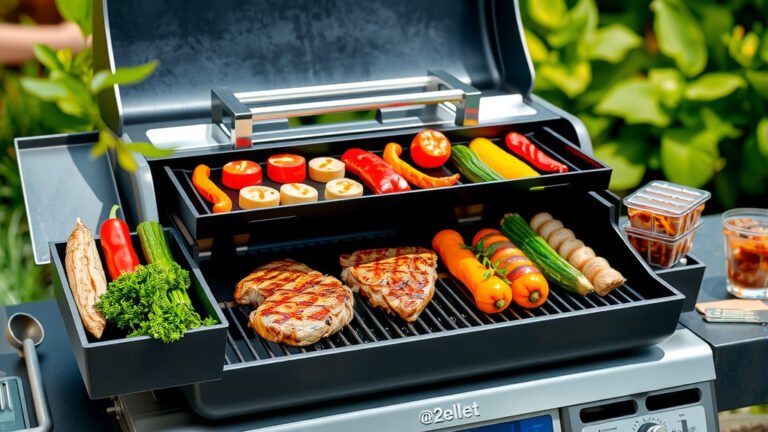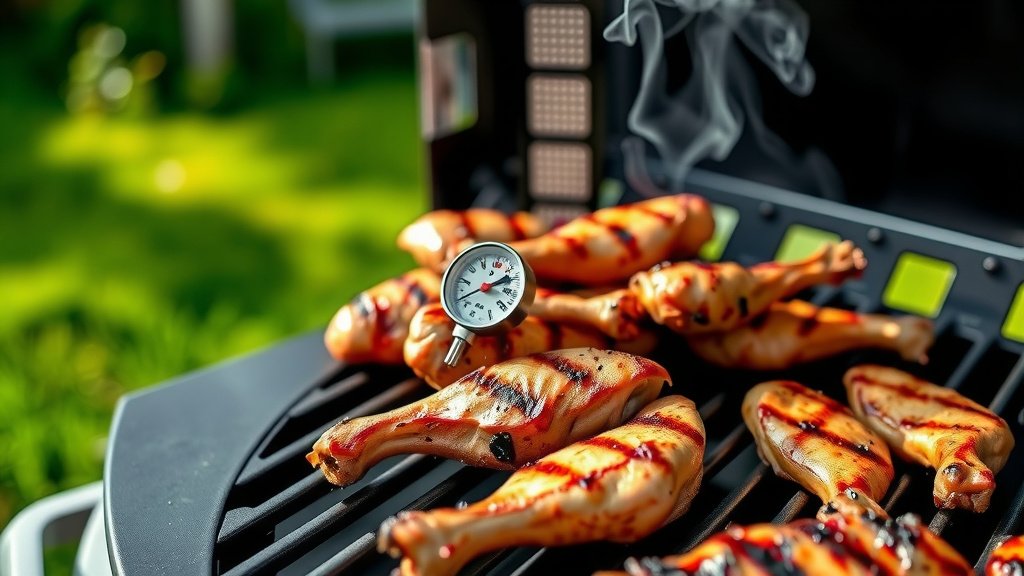
To cook chicken on a pellet grill, aim for an internal temperature of 165°F (74°C) for safety and deliciousness.
Many experts recommend a cooking temperature between 325°F and 375°F on your pellet grill for best results with chicken pieces.
Too Long; Didn’t Read?
- Cook chicken to 165°F internal temperature for safety.
- Set your pellet grill between 325°F and 375°F for most chicken.
- Lower temperatures (225-275°F) are great for a smoky flavor before crisping.
- Always use a reliable meat thermometer to check doneness.
- Different chicken cuts might need slight temperature or time adjustments.
What Temperature To Cook Chicken On Pellet Grill?
The ideal temperature to cook chicken on a pellet grill is 165°F (74°C) internal, which ensures it’s safe to eat.
For the grill itself, aim for 325°F to 375°F to achieve a golden, crispy exterior and juicy interior.
Why Pellet Grills are Perfect for Chicken
Pellet grills offer consistent temperatures and a wonderful smoky flavor, making them a top choice for chicken.
They take the guesswork out of temperature management, allowing you to focus on getting that perfect cook every time.
Understanding Safe Internal Temperatures
Food safety is paramount when cooking chicken. You never want to serve undercooked poultry, do you?
The key is to reach a specific internal temperature throughout the meat to eliminate harmful bacteria (USDA Food Safety and Inspection Service).
The Magic 165°F
Research consistently shows that 165°F (74°C) is the safe minimum internal temperature for all poultry, including ground chicken and turkey.
Using a good meat thermometer in the thickest part of the chicken, away from the bone, is your best defense against illness.
Setting Your Grill Temperature: The Sweet Spot
When cooking chicken on a pellet grill, most people want both flavor and a pleasant texture.
A good starting point for bone-in or boneless chicken pieces is often 350°F on your grill, offering a balance of smoke and heat.
High Heat for Crispy Skin
Are you craving that deliciously crispy chicken skin? Who isn’t?
We found that finishing your chicken at a slightly higher temperature, around 375°F, can make a significant difference to the skin’s texture.
Cooking Whole Chicken vs. Pieces
Different cuts of chicken often require slightly different strategies on the pellet grill.
A whole chicken cooks differently than a boneless breast due to its size and bone structure.
Whole Chicken: The Two-Step Approach
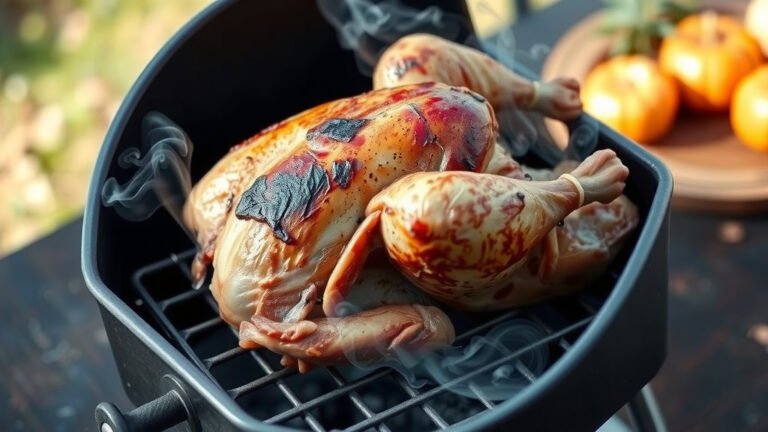
For a whole bird, many experts like a “two-step” method to maximize both smoke flavor and crispy skin.
Start with a lower temperature, around 225-275°F, for an hour or so to infuse smoky goodness, then raise it to 350-375°F to finish cooking and crisp the skin.
Chicken Pieces: Direct Heat Approach
Boneless breasts, thighs, or drumsticks can usually be cooked at a consistent higher temperature.
Aim for 350-375°F on your pellet grill for these smaller cuts to get them done efficiently with nice grill marks and juicy interiors.
Smoking First, Then Searing
This method is very popular for getting the best of both worlds: deep smoke flavor and a beautiful crust.
You first smoke the chicken at a lower temperature (225-275°F) until it reaches about 140°F internal, then crank up the heat to 400°F or higher to get that perfect sear and crisp.
Smoke Flavor: Does Temperature Matter?
Yes, temperature certainly influences how much smoke flavor your chicken absorbs.
Lower temperatures, especially below 250°F, tend to produce a “dirtier” or “heavier” smoke, which can impart more intense flavor.
The Smoke Ring Explained
Ever notice a pink ring just under the surface of smoked chicken? That’s the smoke ring, and it means you’re doing something right!
It’s a chemical reaction from the smoke interacting with the meat, often seen at lower cooking temperatures.
Essential Tools for Perfect Chicken
Having the right gear makes grilling so much easier and more predictable.
You don’t need a huge arsenal, but a few key items are non-negotiable for consistently good results.
Your Trusty Meat Thermometer
We can’t stress this enough: invest in a quality instant-read meat thermometer.
It’s the only way to truly know if your chicken has reached that critical 165°F, saving you from guessing and potentially overcooking.
Quick Checklist for Grilling Chicken
Before you even place your chicken on the grates, a few steps can set you up for success.
This small checklist helps ensure everything goes smoothly and your chicken comes out fantastic.
- Preheat your grill to the target temperature.
- Ensure you have enough pellets for the entire cook.
- Use a reliable, calibrated meat thermometer.
- Pat chicken pieces dry with paper towels for crispier skin.
- Have a clean platter ready for the finished chicken.
Common Mistakes to Avoid When Grilling Chicken
Even seasoned grillers can make simple errors sometimes, especially with poultry.
Watch out for these common pitfalls to keep your chicken cooking perfectly.
Many guidelines point to not rushing the cook. Trying to speed things up often leads to unevenly cooked or dried-out chicken (Mayo Clinic).
Forgetting to Rest Your Chicken
This step is often overlooked, but it’s really important. Why is it so often skipped?
Once your chicken hits 165°F, take it off the grill and let it rest, loosely tented with foil, for 5-10 minutes. This allows the juices to redistribute, leading to a moister, more flavorful piece of meat.
Pellet Wood Choices for Chicken
The type of wood pellets you choose can subtly change the flavor profile of your chicken.
Some woods impart a stronger smoke, while others are more mild and sweet, offering a range of culinary experiences.
| Pellet Type | Flavor Profile | Best For |
|---|---|---|
| Apple | Mild, fruity, slightly sweet | Whole chickens, delicate flavors |
| Cherry | Fruity, rich, beautiful red color | Chicken breasts, thighs, wings |
| Hickory | Strong, bacon-like, savory | Dark meat, those who love bold smoke |
| Pecan | Medium, nutty, subtle sweetness | All chicken cuts, versatile choice |
| Oak | Medium, classic BBQ, robust | Any chicken, good foundational smoke |
Conclusion
Cooking chicken on a pellet grill can be incredibly rewarding, delivering both tender meat and rich smoky flavors.
Remember that 165°F internal temperature is your non-negotiable safety goal, and a grill temperature between 325-375°F usually hits the sweet spot for crispiness and juiciness.
Whether you’re smoking a whole bird or searing individual pieces, trust your thermometer, experiment with pellet flavors, and enjoy the process. Happy grilling!
Frequently Asked Questions
How do I prevent my chicken skin from getting rubbery on a pellet grill?
To avoid rubbery skin, ensure your grill is hot enough, typically 350-375°F or even higher for the last few minutes. Patting the chicken skin very dry before grilling and finishing at a higher temperature helps render the fat and achieve that desirable crispness.
Can I cook frozen chicken directly on a pellet grill?
No, it’s not recommended. For food safety and proper cooking, chicken should always be fully thawed before cooking on a pellet grill. Thawing helps ensure it cooks evenly and reaches the safe internal temperature of 165°F throughout.
What if my chicken is taking longer than the recipe suggests on the pellet grill?
Cooking times can vary greatly based on chicken size, grill calibration, and outside temperature. Always rely on an instant-read meat thermometer to confirm doneness at 165°F, rather than strictly following time guidelines. Cook to temperature, not just time.
Is it better to brine or marinate chicken for the pellet grill?
Both brining and marinating can add flavor and moisture. Brining often helps with overall juiciness, especially for lean cuts like breasts. Marinades penetrate less deeply but add surface flavor. Your choice often comes down to the flavor profile you desire and how much time you have.
Should I flip chicken pieces on a pellet grill?
For even cooking and consistent results, especially with smaller chicken pieces, flipping them once or twice during the cook is a good practice. This helps ensure both sides brown nicely and cook through uniformly on your pellet grill.