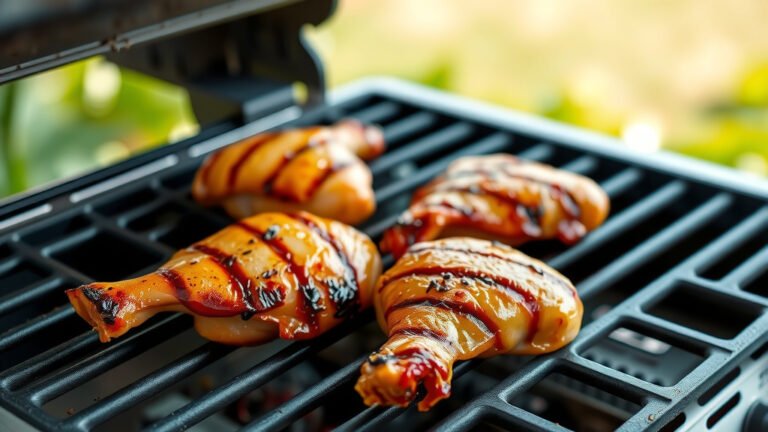
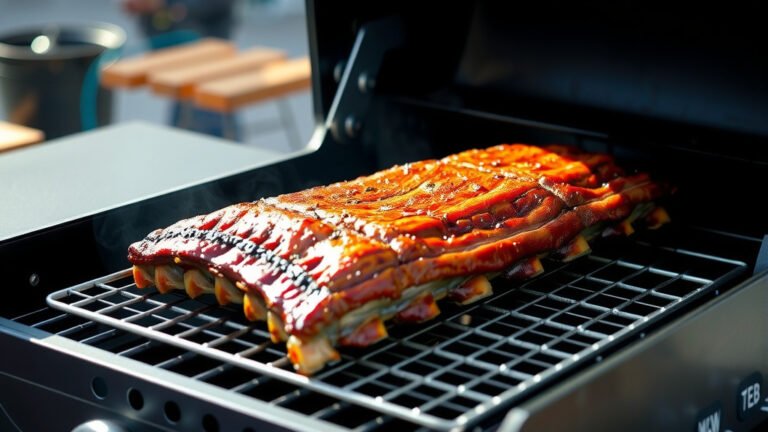
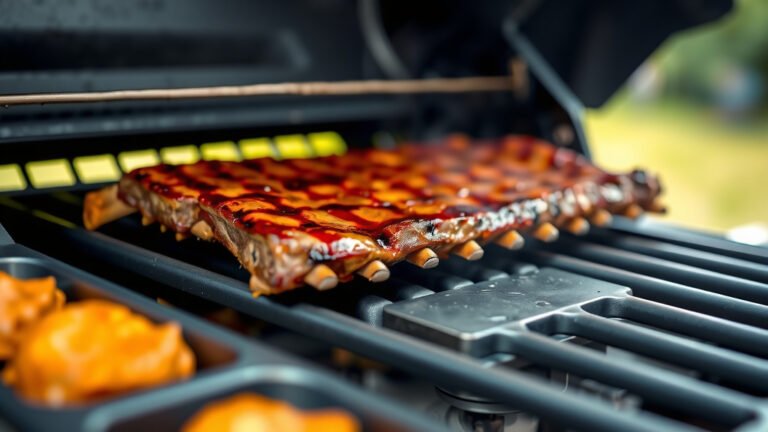
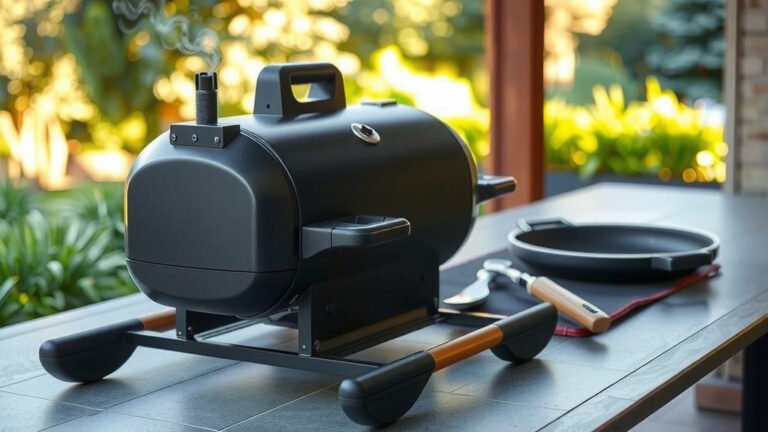
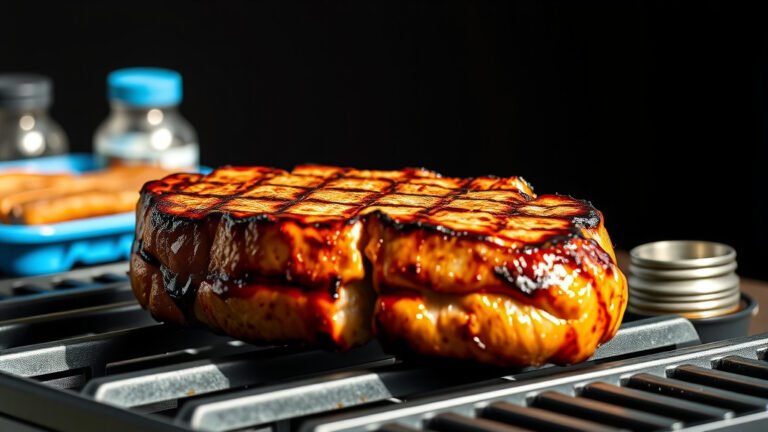
For perfectly cooked chicken breast on a pellet grill, aim for a grill temperature of 350-375°F (175-190°C).
Always cook your chicken until its internal temperature reaches a safe 165°F (74°C) using a reliable meat thermometer.
- Set your pellet grill to a medium-high temperature, typically 350-375°F.
- Always check the internal temperature; it must reach 165°F for food safety.
- Use a good meat thermometer for accuracy, inserting it into the thickest part.
- Don’t forget to let your chicken rest after cooking to keep it juicy.
- Flavor with your favorite rubs and wood pellets for the best taste.
What Temp To Cook Chicken Breast On Pellet Grill?
The sweet spot for grilling chicken breast on a pellet grill is often between 350 and 375°F (175-190°C).
This temperature range helps you achieve a nice sear while ensuring the inside cooks through without drying out.
Why Choose a Pellet Grill for Chicken?
Pellet grills are amazing for chicken because they provide a consistent, even heat.
You also get that wonderful smoky flavor from the wood pellets, a taste difficult to replicate otherwise.
It’s like having the best of both worlds: grilling convenience and smoking flavor.
The Golden Rule: Internal Temperature is Key
Forget guessing games. The most important thing is the chicken’s internal temperature.
Research confirms that all poultry, including chicken breast, must reach 165°F (74°C) to be safe to eat (USDA).
This target temperature kills harmful bacteria, keeping you and your family safe.
Choosing the Right Thermometer
A good instant-read meat thermometer is your best friend in grilling.
Many experts suggest checking the temperature in the thickest part of the breast, avoiding bone.
Some pellet grills come with built-in probes, which are very handy for continuous monitoring.
Prepping Your Chicken Breast for Success
Preparation makes a big difference in the final taste and texture.
Consider patting your chicken breasts dry with paper towels. This helps with browning.
A simple brine or marinade can also add moisture and flavor, making a juicier result.
Seasoning for Flavor
Don’t be shy with your seasonings! A good rub creates a delicious crust.
Salt, pepper, garlic powder, and paprika are classic choices. What are your go-to spices?
Apply your rub evenly to all sides of the chicken before grilling.
Setting Up Your Pellet Grill
Start by preheating your pellet grill to your desired temperature, typically 350-375°F.
Give it about 10-15 minutes to fully stabilize at that temperature.
This ensures an even cooking surface when you place the chicken on the grates.
The Cooking Process: Time and Technique
Once your grill is hot, place the chicken breasts directly on the grates.
Close the lid to keep the heat consistent and allow the smoke to infuse.
Cooking time will vary based on thickness, but usually 15-25 minutes is a good estimate.
Flipping Your Chicken
You typically want to flip your chicken breast halfway through the cooking time.
This helps ensure even cooking on both sides and a consistent char.
Avoid flipping too often; let the grill do its work for a good crust.
The All-Important Resting Period
After reaching 165°F, remove the chicken from the grill.
Many chefs recommend letting chicken rest for 5-10 minutes under foil.
This resting period allows the juices to redistribute throughout the meat, keeping it incredibly moist.
Approximate Cooking Times for Chicken Breast
Here’s a general guide for cooking boneless, skinless chicken breast at 350-375°F:
| Chicken Breast Thickness | Approximate Cook Time | Internal Temp |
|---|---|---|
| Thin (1/2 inch) | 10-15 minutes | 165°F (74°C) |
| Medium (3/4 inch) | 15-20 minutes | 165°F (74°C) |
| Thick (1 inch+) | 20-25 minutes | 165°F (74°C) |
Troubleshooting Common Pellet Grill Chicken Issues
Sometimes things don’t go exactly as planned, and that’s okay.
If chicken seems dry, you might have overcooked it or skipped the resting step.
Uneven cooking often points to inconsistent grill temperature or breasts of varying thickness.
Preventing Dry Chicken
Always pull chicken off the grill as soon as it hits 165°F; don’t wait for 170°F or higher.
Using a brine or marinade before grilling also adds moisture.
Consider using a small water pan in the grill to add humidity, if your grill allows it.
Quick Checklist for Perfect Pellet Grill Chicken
- Preheat grill to 350-375°F.
- Pat chicken dry and season well.
- Use an instant-read thermometer.
- Flip halfway through cooking.
- Cook to an internal 165°F.
- Rest chicken for 5-10 minutes.
Conclusion
Grilling chicken breast on a pellet grill is a rewarding experience, leading to tender, smoky results.
Remember to set your grill temperature to a comfortable 350-375°F (175-190°C).
The most important piece of advice is always to cook until the internal temperature reaches a safe 165°F (74°C).
With a good thermometer and a little patience, you’ll be serving up perfectly cooked chicken every time.
FAQs About Pellet Grill Chicken Breast
How do I know if my chicken breast is overcooked?
Overcooked chicken breast will often feel very firm to the touch and appear dry. It might also have a rubbery texture when you cut into it, lacking juiciness.
Can I cook bone-in chicken breast at the same temperature?
Yes, you can cook bone-in chicken breast at a similar temperature (350-375°F), but it will require a longer cooking time. Always verify its internal temperature reaches 165°F near the bone.
What kind of wood pellets are best for chicken?
Fruit woods like apple, cherry, or pecan are generally excellent choices for chicken, providing a mild, sweet, and complementary smoky flavor. Oak and alder are also good neutral options.
Should I sear the chicken breast on a higher temperature first?
While some recipes suggest a high-heat sear, for chicken breast on a pellet grill at 350-375°F, a dedicated sear isn’t strictly necessary. This temperature range often provides a nice exterior without additional steps.
My chicken breast is not cooking evenly. What could be wrong?
Uneven cooking often happens if chicken breasts are not of uniform thickness; try pounding thicker parts flat. Also, ensure your grill’s temperature is consistent across the grates, as some spots can be hotter than others.