To BBQ ribs on a gas grill, aim for a consistent temperature between 225°F and 275°F (107-135°C) for tender, fall-off-the-bone results.
Maintaining a low and steady heat is key for grilling ribs on a gas grill, allowing the connective tissues to break down slowly over several hours.
- For tender gas grill ribs, set your grill to a consistent 225-275°F (107-135°C).
- Achieve this low temperature using a two-zone setup, keeping ribs over indirect heat.
- Slow cooking, often 3 to 6 hours, ensures the ribs become incredibly juicy and tender.
- Always monitor the grill’s internal temperature, not just the lid thermometer, for accuracy.
- Use the bend test and internal temperature (around 195-203°F) to know when your ribs are perfectly done.
What Temp To BBQ Ribs On Gas Grill?
You’re ready to grill some delicious ribs, right? The ideal temperature on a gas grill for ribs is consistently between 225°F and 275°F.
Why Low and Slow Wins for Ribs
Ever wonder why ribs need so much time? Ribs have tough connective tissue and fat. We found that cooking them at a lower temperature for longer periods slowly breaks these down. This process makes your ribs incredibly tender and juicy, not tough or dry.
Think of it like melting butter. You don’t crank the heat; you let it gently melt. Ribs work the same way, needing that gentle, consistent heat.
Understanding Your Gas Grill
Your gas grill is versatile, but getting a low, consistent temperature can be a trick. Unlike charcoal, you control heat with burners. This means you need a good strategy to maintain the right range.
The built-in thermometer on your lid might not be accurate. Many experts suggest using a separate reliable grill thermometer placed near the ribs. This gives you a true reading of the cooking zone (grilling guides).
Setting the Right Temperature
To hit that sweet spot of 225-275°F, you’ll likely need to use indirect heat. This means you’re not cooking the ribs directly over the flame. If you cook them directly, they will burn before they become tender.
It’s about creating a barbecue oven inside your grill. This requires a bit of setup, but it’s worth the effort for perfect ribs.
Two-Zone Setup is Your Friend
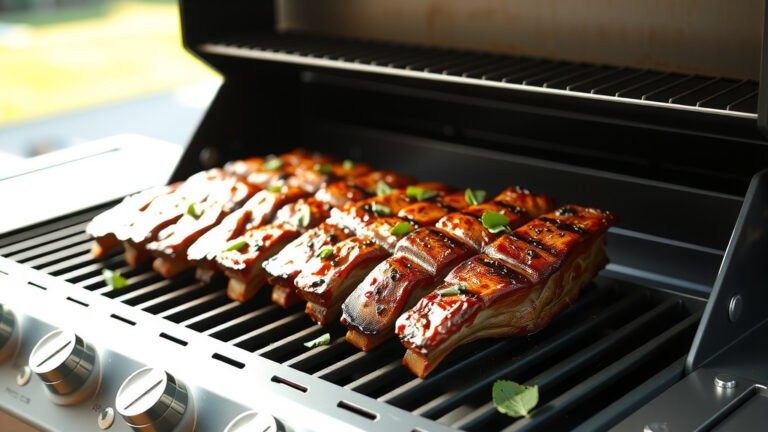
A two-zone setup is crucial for gas grill ribs. We found that turning on only one or two burners on one side, and leaving the ribs on the unlit side, works best. This creates a cooler cooking zone. This indirect method allows the heat to circulate around the ribs evenly. It’s like using a convection oven, but with that delicious smoky flavor.
The Ideal Temperature Range for Ribs
While 225-275°F is the goal, let’s be a little more specific. Many grill masters aim for closer to 250°F (121°C). This temperature allows for a steady cook. Going too low can extend cooking time too much. Going too high risks drying out your ribs.
The key is consistency. Keep your eyes on that thermometer and adjust the burners as needed. Small adjustments can make a big difference over hours of cooking.
| Temperature Range | Approximate Cooking Time (Baby Backs) | Approximate Cooking Time (Spare Ribs) |
|---|---|---|
| 225°F (107°C) | 4-6 hours | 5-7 hours |
| 250°F (121°C) | 3-5 hours | 4-6 hours |
| 275°F (135°C) | 2.5-4 hours | 3.5-5 hours |
Monitoring Rib Doneness
Knowing when ribs are done is more than just time and temperature. While internal temperature is a guide, the “feel” of the ribs is also important. You’re looking for that tender, pull-apart texture.
The Bend Test
This is a classic. Pick up a rack of ribs with tongs in the middle. If the ribs bend significantly and the surface cracks, they are likely done. This test shows the collagen has broken down. It’s a simple and effective check.
Internal Temperature
While often used for food safety, internal temperature can also indicate doneness for ribs. Ribs are generally considered done when they reach an internal temperature between 195°F and 203°F (90-95°C) (USDA guidelines). Insert a meat thermometer into the thickest part of the meat, avoiding bones. This higher temperature is for tenderness, not just safety. Food safety is achieved much earlier.
Common Rib Grilling Methods
There are several ways to tackle ribs on a gas grill. Each method aims for tender, flavorful results. The most popular involves a specific sequence of cooking. It’s about creating layers of flavor and texture.
The 3-2-1 Method on a Gas Grill
Many backyard BBQ enthusiasts love the 3-2-1 method for spare ribs. It stands for 3 hours smoked, 2 hours wrapped, 1 hour unwrapped. For baby back ribs, it’s often 2-2-1. This method ensures maximum tenderness and flavor. Here’s how you adapt it:
- Phase 1 (3 hours): Smoke ribs uncovered on indirect heat at 225-250°F. This builds flavor and a bark.
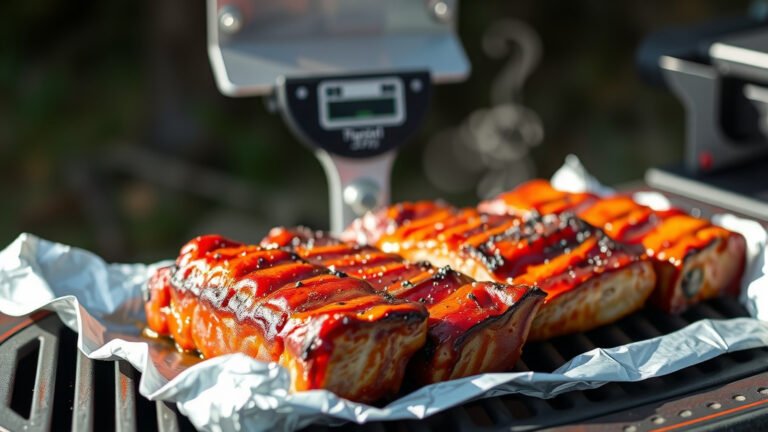
- Phase 2 (2 hours): Wrap ribs tightly in foil with a little liquid (apple juice, broth). Return to indirect heat. This steaming phase makes them incredibly tender.
- Phase 3 (1 hour): Unwrap ribs, apply sauce if desired, and cook for another hour on indirect heat. This sets the sauce and firms up the bark.
Troubleshooting Common Rib Issues
Don’t get discouraged if your first batch isn’t perfect. Rib grilling takes practice. Common problems include dry ribs, tough ribs, or uneven cooking. Knowing how to fix these can save your next BBQ.
Remember, every grill is different. You’ll learn its quirks over time. Pay attention to how your specific grill heats. This experience is your best teacher.
Here’s a quick checklist to help you grill perfect ribs:
- Preheat your grill thoroughly to stabilize temperature.
- Use a reliable external thermometer for accurate grill temps.
- Set up a two-zone cooking system for indirect heat.
- Monitor the temperature regularly, making small adjustments.
- Don’t rush the process; low and slow is key.
- Use the bend test and internal temperature for doneness.
Prepping Your Ribs for the Grill
Great ribs start before they even hit the grill. Properly preparing your ribs can greatly impact the final taste and texture. This initial step is a foundational element of amazing barbecue.
Seasoning and Rubs
Always remove the membrane from the back of the ribs. This prevents a chewy texture. Then, apply your favorite dry rub generously. Allow the rub to sit on the ribs for at least 30 minutes, or even overnight in the fridge. This lets the flavors meld and penetrate the meat.
Maintaining Consistent Heat
Achieving a steady low temperature on a gas grill requires attention. External factors like wind and ambient temperature can affect your grill’s performance. You might need to adjust burner settings throughout the cook. Think of it as fine-tuning a musical instrument. It takes a delicate touch.
Using a Meat Thermometer
As mentioned, a good quality grill thermometer is vital for accuracy. For ribs, a probe thermometer that stays in the meat during cooking is ideal. This lets you monitor the internal temperature without opening the lid too often. Opening the lid releases heat and extends cooking time.
Conclusion
Grilling ribs on a gas grill successfully comes down to controlling your temperature. Aiming for that 225-275°F range, utilizing indirect heat, and having patience are your best tools. With the right setup and a bit of practice, you’ll be turning out tender, flavorful ribs that everyone will love. So fire up that grill, keep an eye on the thermometer, and get ready for some fantastic barbecue!
What is the lowest temperature you can BBQ ribs?
The lowest recommended temperature for BBQing ribs on a grill is typically around 225°F (107°C). Going lower can extend the cooking time significantly, making it harder to maintain consistent heat and potentially drying out the meat before it becomes tender.
Can you cook ribs at 300 degrees on a gas grill?
While you can cook ribs at 300°F (149°C) on a gas grill, it’s generally considered a hotter and faster method. This higher temperature risks drying out the ribs or making them tough if not monitored carefully. It can reduce cooking time but often sacrifices some tenderness compared to the lower, slower approach.
How do I keep my gas grill at 225 for ribs?
To keep your gas grill at 225°F, use a two-zone setup: turn on only one or two burners on low on one side, and place the ribs on the unlit side. Use a separate, accurate grill thermometer placed near the ribs. Adjust the lit burner(s) as needed to maintain the target temperature, often just one burner on low is enough for some grills.
Do you flip ribs on a gas grill?
When cooking ribs on a gas grill using indirect heat (the two-zone method), you generally do not need to flip them. The circulating heat cooks them evenly from all sides. Flipping can actually increase temperature fluctuations and extend cooking time unnecessarily.
How long does it take to cook ribs on a gas grill at 250 degrees?
Cooking ribs on a gas grill at a consistent 250°F (121°C) typically takes 3-5 hours for baby back ribs and 4-6 hours for spare ribs. However, actual cooking time can vary based on the thickness of the ribs, outside temperature, and how often you open the grill lid. Always check for tenderness using the bend test or internal temperature.