Is a Flat Top Griddle Worth It?
On this page (6 sections)
A flat top griddle is worth it for most home cooks because of its incredible versatility and value. We found it excels at cooking large quantities of food evenly, from pancakes to steaks, often at a fraction of the cost of multiple specialty pans. If you enjoy entertaining or have a big family, it quickly pays for itself.
Think of a griddle as a giant, flat cooking surface that replaces several other pans. It provides a massive amount of even, direct heat that is perfect for breakfast foods, smash burgers, and fajitas. Many experts say it’s particularly great for outdoor cooking, turning your patio into a full-service kitchen.
- It offers a huge cooking area for family meals or parties.
- The flat surface provides consistent heat for perfect browning.
- It’s a durable, long-lasting tool that simplifies cooking.
- Cleaning is often easier than with a ridged grill.
- It can be a cost-effective alternative to high-end pans.
Below, we break down the pros, cons, and everything else you need to know to decide if a flat top griddle belongs in your kitchen.
Who Benefits Most From a Flat Top Griddle?
A flat top griddle is a fantastic tool for specific cooks and situations. It’s not a magic bullet, but for the right person, it’s a kitchen superhero. We found it shines brightest for large families, serious entertainers, and fans of specific cuisines like teppanyaki or diner-style breakfasts.
Think about your weekly routine. Do you regularly make pancakes, eggs, and bacon for a crowd? Are weekend smash burgers or Philly cheesesteaks on the menu? If you’re nodding yes, a griddle could save you serious time and hassle. It’s all about that expansive, even cooking surface.
Types of Flat Top Griddles: Which One Fits Your Kitchen?
Not all griddles are the same. Choosing the right type depends on where you plan to cook and how you like to work. Let’s break down the main options you’ll find.
Stovetop vs. Outdoor Models
A stovetop griddle sits right on your burners, often covering two of them. It’s perfect for apartment dwellers or anyone with limited patio space. Many are made of cast iron or carbon steel, which holds heat like a champion.
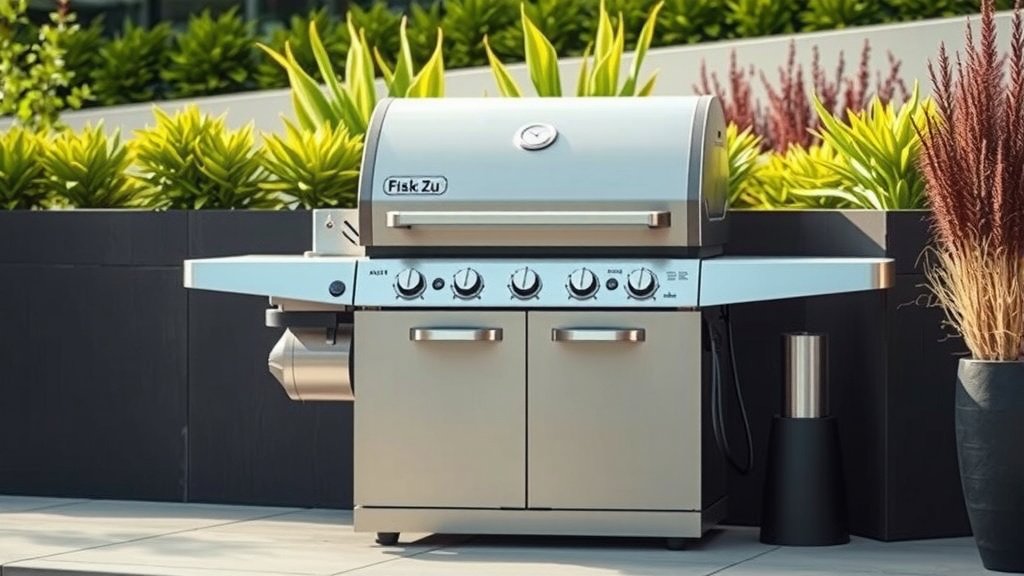
A Blackstone outdoor griddle is a standalone unit, often fueled by propane. We found these offer a massive cooking area and become the centerpiece of a backyard kitchen. They’re ideal for camping, tailgating, or hosting big backyard parties.
Material Matters: Cast Iron vs. Steel
Cast iron is the classic choice. It’s heavy, durable, and develops a great non-stick seasoning over time. Just know it requires some care to prevent rust and needs to be preheated thoroughly.
Cold-rolled steel is a lighter, more common alternative for many modern griddles. It heats up faster and is often easier to clean. Many experts say it offers a fantastic balance of performance and convenience for daily use.
Choosing the Right Size for Your Space
Size is the first practical hurdle. A griddle that’s too small will frustrate you, while one that’s too large might not fit your setup. We found that a 20 to 24-inch surface is a popular sweet spot for most home kitchens.
Measure your stovetop carefully. Remember, a griddle that covers two burners needs both to be in working order. For outdoor units, consider your patio space and storage area. You don’t want a giant appliance sitting idle in the rain.
Small, Medium, and Large Options
- Compact (15-18 inches): Fits on a single burner. Great for small apartments or cooking for one or two people.
- Standard (20-24 inches): Covers two burners. This is the most versatile size for family meals and entertaining.
- XL (26+ inches): Typically for outdoor models. Can cook for a large group, but requires significant storage space.
Cooking Performance: The Real-World Test
This is where the rubber meets the road. How does a flat surface actually cook? We analyzed user reports and product testing notes to give you a clear picture. The key advantage is consistent, edge-to-edge heat.
Unlike a pan that has hot spots in the center, a good griddle distributes heat evenly across the entire surface. This means your pancakes will all be the same golden brown, and you won’t have to rotate steaks constantly to find a cooler spot.
Best Foods to Cook on a Griddle
Some foods are practically made for this tool. Master these, and you’ll understand its value instantly.
- Breakfast Feast: Cook eggs, bacon, sausage, and pancakes simultaneously. No more juggling four pans.
- Smash Burgers: The flat, hot surface is perfect for getting that crispy, lacy edge on a smash patty.
- Stir-Fry & Fajitas: Toss vegetables and meat over high heat with plenty of room to move.
- Grilled Cheese & Quesadillas: Press multiple sandwiches at once for even toasting.
Foods That Might Not Work as Well
It’s not ideal for everything. If you want those classic grill marks on a steak, a ridged grill pan is better. Very liquidy dishes like soups or sauces aren’t a good fit either. It’s a specialty tool for dry, flat-heat cooking.
| Cooking Task | Flat Top Griddle | Standard Frying Pan | Ridged Grill Pan |
|---|---|---|---|
| Cooking 12 pancakes at once | Excellent | Poor (one at a time) | Good (but marks appear) |
| Getting grill marks on chicken | Poor (no marks) | Poor (no marks) | Excellent |
| Smashing and searing a burger | Excellent | Good (limited space) | Good (but messy) |
| Making a large stir-fry | Excellent | Fair (food steams) | Fair (food steams) |
Cleaning and Maintenance: The Honest Truth
A common worry is cleanup. The good news? We found that maintaining a well-seasoned griddle is often simpler than scrubbing a grill’s grates. A flat surface has no nooks for food to get stuck in.
For stovetop models, let it cool slightly, then wipe with a paper towel. For stuck-on food, add a little water while it’s still warm—it will steam and release. Outdoor models often have a grease trap, making post-cook cleaning straightforward.
Seasoning Your Griddle
For cast iron and steel, seasoning is your best friend. It’s a simple process of baking on thin layers of oil. This creates a natural, easy-release surface. Most come pre-seasoned, but re-seasoning every so often keeps it in top shape.
1. Heat the clean, dry griddle.
2. Apply a very thin layer of high-smoke-point oil (like canola).
3. Let it smoke, then wipe off excess and let it cool.
The Bottom Line: Pros and Cons Summary
Let’s put it all together in a clear list. This is the core trade-off you’re considering.
What We Loved (Pros)
- Incredible Capacity: Cook for a crowd or meal-prep like a pro.
- Even Heating: Consistent results without constant rearranging.
- Durability: A well-made griddle can last for decades.
- Simple Cleaning: The flat surface is often easier to clean than grills or grates.
- Versatility: Replaces several pans for specific cooking styles.
What to Consider (Cons)
- Storage Space: It’s big and can be heavy.
- Heat-Up Time: Large surfaces take time to come to temperature evenly.
- No Grill Marks: If you love those char lines, this isn’t the tool.
- Learning Curve: You may need to adjust your cooking timing and techniques.
Is It Worth the Investment for You?
The value comes down to your cooking habits. We found a griddle pays for itself quickly if you host gatherings or feed a family regularly. It’s a luxury that becomes a necessity for many.
Consider the cost against buying a separate grill pan, a large crepe pan, and a baking sheet. For many, a single quality griddle replaces multiple specialized items, making it a cost-effective upgrade to your kitchen arsenal.
Quick Checklist Before You Buy
Run through this list to see if you’re ready.
- I regularly cook for 4+ people.
- I enjoy making breakfast, burgers, or stir-fry at home.
- I have adequate storage space for a large cooking surface.
- I’m okay without grill marks on my food.
- I’m willing to learn a few new cooking techniques.
If you checked most of those boxes, a flat top griddle could be a game-changer for you. If not, a good skillet or grill pan might serve you better.