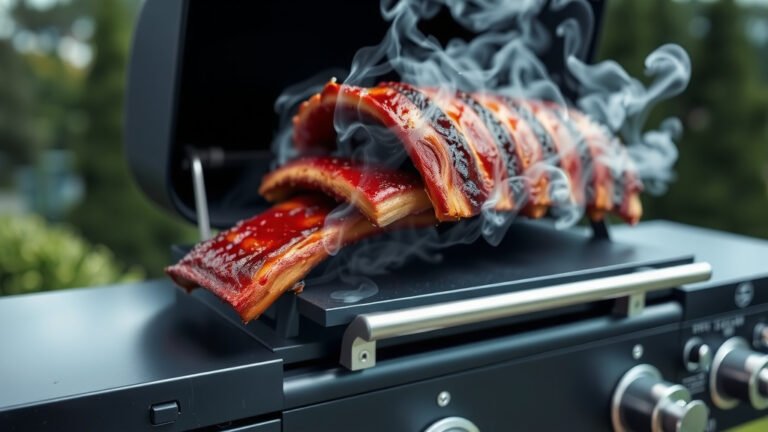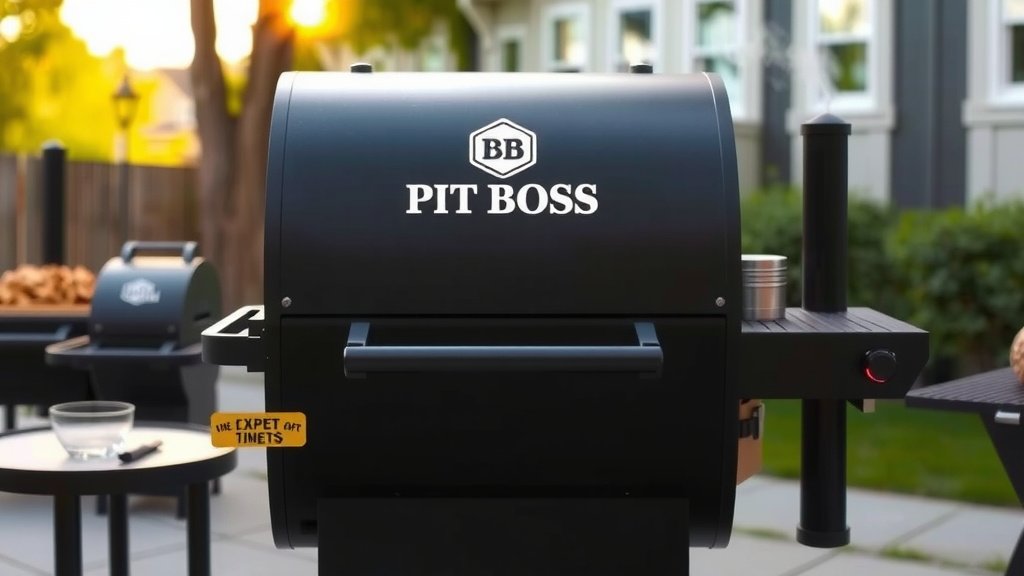
To use a Pit Boss pellet grill, you typically load hardwood pellets into the hopper, turn it on to a smoke setting for initial ignition, and then set your desired cooking temperature.
Always prime your auger and season your grill before the very first cook to ensure it operates correctly and removes manufacturing oils.
Here’s a quick overview of what you’ll discover about using your Pit Boss pellet grill:
- Getting started involves a crucial initial seasoning process.
- Loading the right wood pellets is key for flavor and performance.
- Starting the grill requires specific steps for safe ignition and temperature control.
- Cooking methods vary, from low-and-slow smoking to high-heat searing.
- Regular cleaning keeps your grill performing its best for years.
How To Use Pit Boss Pellet Grill?
Using your Pit Boss pellet grill involves a few simple steps, starting with proper setup and ending with delicious food.
You’ll learn to manage temperatures and smoke for amazing results every time.
First Things First: Unpacking and Assembly
When your new Pit Boss arrives, take your time unboxing everything. You’ll find the main barrel, legs, hopper, and various accessories.
Assembly usually involves straightforward steps, often requiring just a few basic tools. Many users find the process manageable within an hour or two (Pit Boss owner’s manual).
The Crucial First Step: Seasoning Your Grill
Think of seasoning as getting your grill ready for its debut. This process burns off any manufacturing oils or residues.
Skipping this can give your first meal an unpleasant taste, which nobody wants!
How to Season Your Pit Boss
First, load your hopper with pellets. Experts suggest filling it about halfway for this initial burn.
Next, turn the grill to “Smoke” or the lowest temperature setting until you see smoke, then let it run for a few minutes.
Finally, raise the temperature to 350-400°F (175-205°C) and let it run for at least 45 minutes to an hour.
This ensures the internal surfaces are properly coated and ready for cooking (Pit Boss support guidelines).
Fueling Your Fire: Choosing the Right Pellets
Your Pit Boss pellet grill runs on food-grade hardwood pellets. These are different from heating pellets.
Using the right kind is vital for flavor and your grill’s longevity. We found that Pit Boss brand pellets or other high-quality brands work best.
Different wood types offer distinct flavors. For example, hickory gives a bold taste, while apple is milder and sweeter.
Starting Your Pit Boss: The Ignition Process
Starting your grill is simple once you get the hang of it. You’ll want to ensure the lid is open before turning it on.
This allows the smoke to escape and prevents dangerous flare-ups during ignition.
Step-by-Step Startup Guide
- Fill the hopper with your chosen hardwood pellets.
- Plug in the grill and turn the main power switch ON.
- Set the temperature dial to “Smoke” or the lowest setting.
- Wait for 5-10 minutes for smoke to appear and the fire to establish.
- Once smoke is consistent, close the lid and adjust to your desired cooking temperature.
Mastering Temperature Control
One of the best features of a Pit Boss is its precise temperature control. You simply set it and let the grill do the work.
The internal probe constantly monitors the temperature, adjusting the pellet feed rate as needed (many manufacturers confirm this technology).
Understanding Different Temperature Zones
Low temperatures, like 180-225°F (82-107°C), are perfect for smoking brisket and pork butt. This is where the magic of “low and slow” happens.
Medium temperatures, around 250-325°F (121-163°C), are great for roasting chicken or baking.
High temperatures, up to 500°F (260°C) or even 600°F (315°C) with some models’ direct flame access, are ideal for searing steaks or grilling burgers.
Cooking Basics: Low and Slow Smoking
For truly tender, flavorful meats, low and slow is the way to go. This method allows connective tissues to break down over many hours.
You’ll often use a water pan during long smokes to keep the meat moist (many barbecue experts recommend this).
High-Heat Grilling and Searing
Do you love a good sear on your steak? Many Pit Boss models feature a sliding flame broiler.
This lets you expose your food directly to the flame for those beautiful grill marks and caramelized crust.
Monitoring Your Cook: Internal Meat Probes
Most Pit Boss grills come with at least one meat probe. Always cook to internal temperature, not just time.
This is the most reliable way to ensure your food is safely cooked and perfectly done (USDA food safety guidelines).
Essential Internal Cooking Temperatures (USDA)
| Food Type | Minimum Internal Temperature |
|---|---|
| Poultry (Whole or Ground) | 165°F (74°C) |
| Ground Meats (Beef, Pork, Lamb) | 160°F (71°C) |
| Beef, Pork, Veal, Lamb (Steaks, Roasts, Chops) | 145°F (63°C) with 3-minute rest |
| Fish | 145°F (63°C) |
Maintaining Your Pit Boss: Keeping it Clean
Regular cleaning is not just about hygiene; it ensures your grill performs efficiently and safely.
Grease fires are a real concern if you let too much residue build up.
Quick Cleaning Checklist
- Empty the Ash Pot: Do this after every 2-3 cooks to prevent ash buildup.
- Clean Grates: Scrape them down after each use while still warm.
- Wipe Down Surfaces: Use a damp cloth to clean exterior surfaces.
- Inspect Grease Tray: Ensure it’s clear and the bucket isn’t overflowing.
- Check Pellet Hopper: Remove any leftover pellets if storing for a long time to prevent moisture damage.
Troubleshooting Common Issues
Sometimes your grill might not light or hold temperature. Don’t worry, these issues are often simple fixes.
Check the auger for blockages, ensure pellets are dry, and clean the igniter if it looks dirty.
Conclusion
Using your Pit Boss pellet grill is a rewarding experience that opens up a world of smoky flavors and convenient outdoor cooking.
By understanding the basic steps from seasoning to cooking and routine cleaning, you’ll be whipping up delicious meals in no time.
Remember, patience and a good meat thermometer are your best friends in the world of pellet grilling!
What is the P setting on a Pit Boss pellet grill?
The “P” setting on a Pit Boss pellet grill adjusts the pause time between pellet feeds, influencing the smoke output and temperature stability, especially at lower settings. A higher P setting means more smoke but potentially wider temperature swings.
How do I get more smoke flavor from my Pit Boss?
To get more smoke flavor, try using a “smoke tube” filled with extra pellets or wood chips during your cook. You can also cook at lower temperatures (like 180-225°F) for longer durations, as meat absorbs smoke most effectively in this range.
Can I use any brand of pellets in my Pit Boss?
While you can use other brands, we found that Pit Boss recommends using their own brand of 100% all-natural hardwood pellets. Using low-quality pellets might lead to more ash, less consistent burns, or even damage to your auger.
How often should I clean my Pit Boss grill?
Experts generally suggest cleaning the ash pot every 2-3 cooks. The cooking grates should be scraped after every use. A more thorough cleaning, including the heat baffle and igniter area, is recommended every 10-15 hours of cooking (many grill maintenance guides agree).
What should I do if my Pit Boss won’t light?
If your Pit Boss won’t light, first check if the power cord is fully plugged in. Next, ensure there are enough pellets and the auger isn’t jammed. Sometimes, a dirty igniter needs cleaning or replacement, or the ‘P’ setting might need adjustment if it’s too high for ignition.