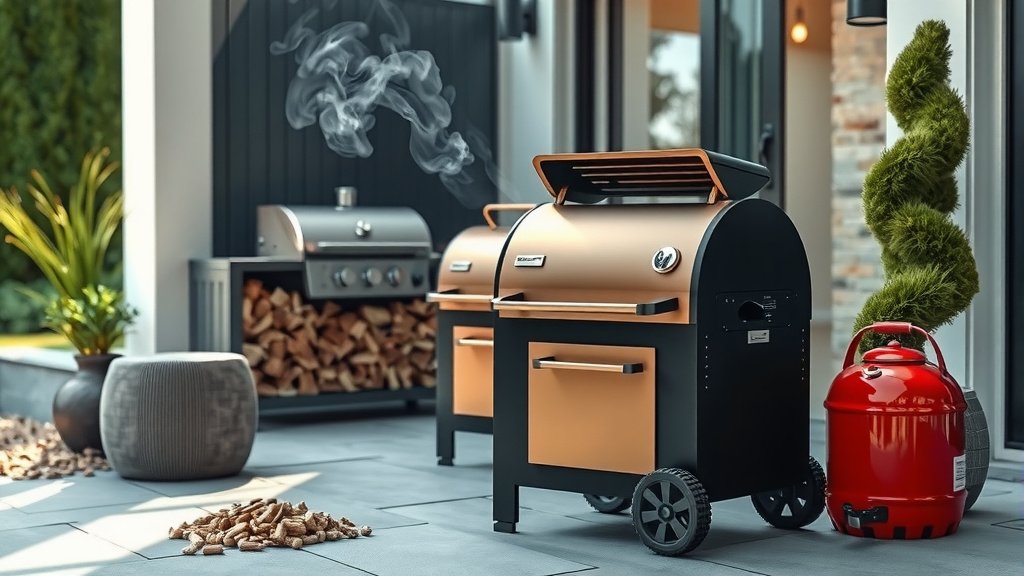
Using a pellet grill is often much simpler than you think, especially when aiming for consistent heat and smoke flavor for your food. You simply fill the hopper with wood pellets, select your desired cooking temperature, and let the grill’s internal system do most of the work to maintain an even heat.
This automated approach makes pellet grills a fantastic choice for both seasoned pitmasters and newcomers, delivering authentic smoky flavor without the constant tending of a traditional charcoal smoker. They offer a blend of convenience and excellent results.
- Pellet grills make smoking and grilling easy with automated temperature control.
- Fill the hopper with wood pellets and set your desired cooking temperature.
- Always perform an initial “burn-off” to season your new grill before first use.
- Keep your grill clean; emptying ash and cleaning grates prevents flare-ups.
- Experiment with different pellet flavors to match your favorite meats and dishes.
So, you’ve picked up a shiny new pellet grill, or maybe you’re thinking about getting one. Great choice! These machines have become a game-changer for many home cooks. Why, you ask? Because they take much of the guesswork out of achieving amazing smoked and grilled flavors. No more babysitting a charcoal fire for hours.
Imagine perfectly smoked ribs or a juicy brisket, all with less effort. That’s the promise of a pellet grill. Ready to dive in and discover how to truly master yours?
How To Use A Pellet Grill?
To use a pellet grill, you primarily load wood pellets into the hopper, power on the grill, set your target temperature, and allow it to preheat. The grill then automatically feeds pellets into a firepot to maintain that precise temperature.
Understanding Your Pellet Grill
Before firing it up, let’s talk about what makes these grills tick. A pellet grill essentially combines a smoker and a grill. It uses electricity to power an auger, a fan, and a hot rod igniter.
The auger moves wood pellets from the hopper to the firepot. The hot rod ignites them, creating smoke and heat. Then, the fan circulates that heat and smoke evenly throughout the cooking chamber. It’s like having a tiny, efficient oven with a smoke generator built in!
Why Choose a Pellet Grill?
Many grilling enthusiasts find pellet grills offer incredible consistency. You set a temperature, and the grill holds it. This means fewer temperature swings and more predictable cooking times, especially for low-and-slow recipes.
Also, the authentic wood smoke flavor is a huge draw. You get all the goodness of a wood fire without the fuss of logs or charcoal (culinary experts agree).
The First Step: Seasoning Your New Grill
You’ve unboxed your new pellet grill. Exciting, right? Before cooking your first meal, you must season it. This process, often called a “burn-off,” removes any manufacturing oils or residues.
Many manufacturers advise running the grill at a high temperature, typically around 350-400°F, for about 45 minutes to an hour. Just make sure the cooking grates are inside during this process. This initial burn-off is key for taste and safety.
What Pellets Should You Use?
This is where the flavor magic happens! Wood pellets are made from compressed sawdust. Different wood types offer unique flavors. For example, hickory is bold, while apple is sweeter. Many experts suggest matching the pellet flavor to your food (grilling forums).
Always use food-grade pellets specifically designed for grills. Never use heating pellets; they contain binders and are not safe for cooking. We found that quality pellets burn cleaner and provide better flavor.
| Pellet Type | Flavor Profile | Best For |
|---|---|---|
| Hickory | Strong, bacon-like | Beef, Pork, Poultry, Vegetables |
| Apple | Mild, sweet, fruity | Pork, Chicken, Baked Goods, Fish |
| Mesquite | Very strong, earthy | Beef Brisket, Texas BBQ, Chili |
| Cherry | Sweet, subtle, reddish hue | Chicken, Pork, Duck, Fish |
| Oak | Medium, balanced | Beef, Fish, Lamb, General Purpose |
Loading Your Hopper
The hopper is where you put the pellets. Fill it up before you start cooking, especially for longer smokes. A full hopper ensures you won’t run out of fuel mid-cook, which can be a real headache. Keep the lid closed to protect pellets from moisture.
Ready to Cook: Starting Your Pellet Grill
Now, let’s get cooking! The startup sequence is generally straightforward for most pellet grills.
The Startup Sequence
First, open the main grill lid. Turn the grill on and set your desired temperature. You’ll usually hear the fan kick in and the auger begin to feed pellets. The hot rod will then ignite them.
Always leave the lid open during initial startup (for about 5-10 minutes) to allow the initial smoke to clear. This prevents a “dirty” smoke flavor from permeating your food. You’ll see wisps of white smoke initially, which will thin out as it gets to temperature.
Preheating and Temperature Control
Once the initial startup is complete, close the lid and let your grill preheat. Just like an oven, it needs time to reach and stabilize at your set temperature. This usually takes 10-20 minutes, depending on the ambient temperature and desired heat.
One of the best features is the precise temperature control. Need 225°F for smoking ribs? You got it. Want 400°F for grilling chicken? No problem. The internal fan and auger system work together to maintain that heat, often within a few degrees (leading grill manufacturers). This precision helps avoid burnt outsides and raw insides.
Monitoring Your Food
A good meat thermometer is your best friend here. While the grill maintains a set temperature, the internal temperature of your food determines when it’s done. Don’t rely solely on visual cues.
Many pellet grills come with temperature probes you can insert directly into your meat. Use them! We found this is the most accurate way to know when your meal is perfectly cooked. Don’t be afraid to peek, but avoid opening the lid too often, as it drops the internal temperature.
Adding More Smoke Flavor
Pellet grills create great smoke, but sometimes you want even more. Try a “smoke tube” or “smoke box” filled with extra pellets or wood chips. These can provide a boost of additional smoke, especially at higher cooking temperatures where the grill naturally produces less smoke.
Quick Troubleshooting Tips
Is your grill struggling to ignite? Check your pellets for moisture. Damp pellets won’t burn well. Is the temperature fluctuating wildly? Make sure your hopper isn’t almost empty, and the firepot isn’t clogged with ash. A good, clean burn is a happy burn.
Post-Cook: Shutting Down and Cleaning
When your delicious meal is done, proper shutdown is important. Most pellet grills have a specific “shutdown cycle.” This runs the fan for a few minutes to clear out any remaining pellets from the firepot and cool down safely. Do not just turn off the power. Always follow the manufacturer’s recommended shutdown process.
Essential Cleaning Checklist
- Empty the ash pot regularly: Built-up ash can choke the fire and impact performance.
- Scrape grill grates: Clean grates prevent food from sticking and improve flavor.
- Clean the drip tray: This catches grease and needs regular emptying to prevent fires.
- Wipe down the exterior: Keep your grill looking sharp and prevent rust.
- Check for pellet dust in the auger: Sometimes fine dust can accumulate; clear it out.
Storage and Maintenance
Store your pellets in a dry, airtight container. Moisture is the enemy of wood pellets. Cover your grill with a good quality cover when not in use. This protects it from the elements and extends its life. Regular maintenance, like checking electrical connections and auger function, ensures your grill serves you well for many years.
Conclusion
Using a pellet grill opens up a world of incredibly flavorful cooking with remarkable ease. By understanding the basics—from seasoning and pellet choice to proper startup and shutdown—you’re well on your way to becoming a pellet grill master. Remember, practice makes perfect, so don’t be afraid to experiment with different recipes and techniques. Enjoy the journey and the delicious food!
How do pellet grills produce smoke?
Pellet grills produce smoke by automatically feeding small wood pellets into a heated firepot, where an igniter rod lights them. A fan then circulates this smoke and heat throughout the cooking chamber, infusing your food with authentic wood-fired flavor.
Can I use any wood pellets in my pellet grill?
No, you should only use food-grade wood pellets specifically designed for pellet grills. Heating pellets or other types can contain binders or chemicals not safe for consumption and can damage your grill.
What is the ideal temperature range for smoking on a pellet grill?
For traditional low-and-slow smoking, most experts recommend a temperature range of 200°F to 250°F. This lower temperature allows for longer cooking times and maximizes smoke absorption for rich flavor.
How often should I clean the ash from my pellet grill?
It’s generally recommended to clean out the ash pot or vacuum the firepot area every 2-3 cooks, or after every long smoke session. Excessive ash buildup can hinder airflow, cause temperature fluctuations, and sometimes even prevent ignition.
Do I need to babysit my pellet grill during long cooks?
One of the biggest advantages of a pellet grill is its “set it and forget it” capability. Once you’ve set the temperature, the grill maintains it automatically. You should monitor your food’s internal temperature, but constant attendance is typically not necessary, freeing you up for other activities.