
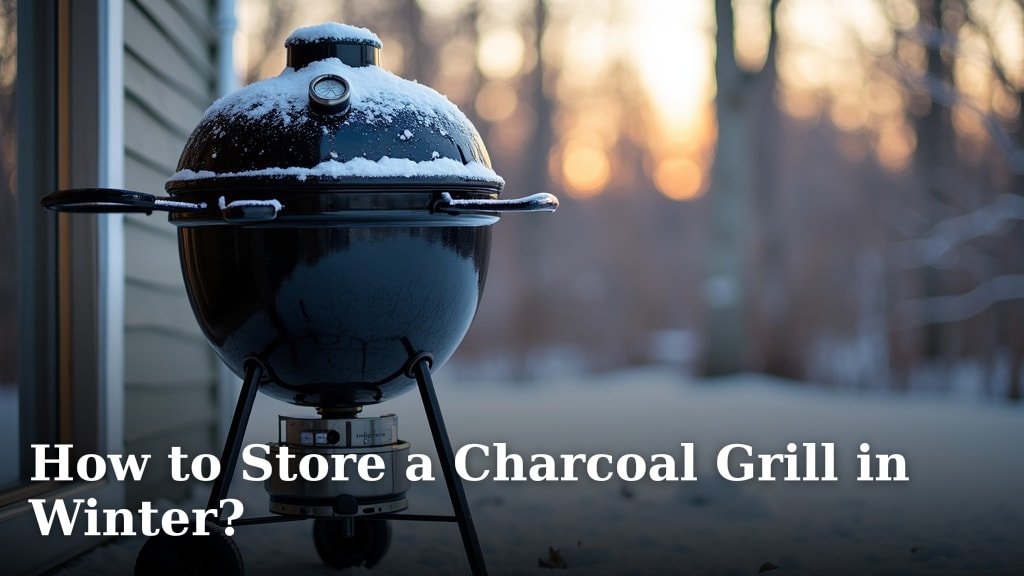
Storing your charcoal grill for winter is all about protecting it from the elements. This means a good cleaning and a protective cover are your absolute best friends. Proper storage will help your grill last longer and be ready to go come spring. You don’t want rust or critter damage ruining your first cookout!
Many folks wonder if they can just leave their grill outside. While some grills are built tough, exposure to snow, ice, and dampness can seriously shorten their lifespan. We found that taking a few simple steps can make a huge difference. Think of it as giving your grill a cozy winter blanket.
- Clean your grill thoroughly before storing.
- Remove ash and grease.
- Cover it with a waterproof grill cover.
- Store in a dry, sheltered location if possible.
Ready to get your grill winter-ready? Let’s walk through the easiest way to store your charcoal grill so it stays in great shape.
Keeping Your Charcoal Grill Safe Through Winter
Storing your charcoal grill properly means it will be ready for your first spring cookout. You don’t want to find rust or damage when the weather warms up. We found that a little bit of work now saves a lot of headaches later. Think of it as putting your grill to bed for a long, healthy nap.
The main goal is to protect it from the harsh winter elements. Snow, ice, rain, and even humidity can cause rust and corrosion. Critters also love to make homes in cozy, dark places. Following these steps will help ensure your grill lasts for many grilling seasons to come.
Step 1: Give Your Grill a Deep Clean
Before you think about covering up your grill, a thorough cleaning is essential. This is the most important step to prevent rust and keep it hygienic. You wouldn’t want to start a new season with old gunk!
Removing Ash and Debris
First, make sure your grill is completely cool. Scrape out all the ash from the bottom of the grill bowl. Ash can hold moisture, which leads to rust. Use a shop vac or a sturdy brush to get every last bit out. This prevents corrosive compounds from forming.
Next, remove any leftover charcoal pieces. You don’t want those sitting there all winter. Get rid of them in a safe way, just like you would after any regular use.
Tackling Grease and Grime
Grease buildup is another culprit that can cause problems. It can attract pests and become sticky, making it harder to clean later. Use a grill brush or scraper to remove any caked-on grease from the grates and the inside of the lid. For stubborn spots, a mild soap and water solution can work wonders.
Rinse thoroughly with clean water and dry everything completely. Dampness is the enemy of metal during storage. Many experts suggest wiping down all interior surfaces with a dry cloth after cleaning to ensure no moisture remains.
Cleaning the Grates
Your grill grates need special attention. Scrub them well to remove food residue. Once they’re clean, a light coat of cooking oil can help prevent rust. Use a paper towel dipped in vegetable oil or any cooking oil you have on hand. This creates a protective barrier.
Make sure to wipe off any excess oil. You don’t want a sticky mess. This simple step will keep your grates looking good and functioning well.
Step 2: Address Any Rust Spots
If you notice any small rust spots, it’s best to deal with them now. Small spots can become big problems if left untreated over winter.
Gentle Rust Removal
For minor rust, a steel wool pad or fine-grit sandpaper usually does the trick. Gently scrub the affected areas until the rust is gone. Afterward, wipe the area clean with a damp cloth, then dry it thoroughly.
If the rust is more significant, you might consider a rust-inhibiting primer and paint specifically designed for grills. This can be a bit more work, but it offers excellent protection. We found that addressing rust early is key to prolonging your grill’s life.
Step 3: Prepare for Storage Location
Where you store your grill makes a big difference. The ideal spot is dry and sheltered.
Indoor vs. Outdoor Storage
Ideally, your charcoal grill should be stored indoors. A garage, shed, or basement is perfect. This completely shields it from snow, rain, and humidity. It also keeps it safe from curious animals.
If indoor storage isn’t an option, aim for the most sheltered spot you can find outdoors. Under a covered porch or a sturdy patio overhang is better than being completely exposed. Ensure the area has good airflow to prevent moisture buildup.
Protecting Against Pests
No matter where you store it, critters might try to get in. Think mice or insects looking for a warm place. We found that thoroughly cleaning out any food remnants is the first line of defense. Ensure the ash pan and cooking area are completely clear.
You might also consider placing mothballs or cedar chips inside the grill bowl before covering it. These natural repellents can discourage pests. Just remember to remove them before your first spring cookout!
Step 4: Cover It Up!
A good cover is your grill’s best friend during the winter. It’s like a warm, waterproof blanket.
Choosing the Right Cover
Invest in a high-quality, waterproof grill cover. Look for one made of durable material like heavy-duty polyester or vinyl. It should fit snugly to prevent wind from getting underneath and lifting it.
Ensure the cover has vents if possible. This allows for some airflow, which helps prevent moisture and mold from building up inside the cover. A cover that goes all the way to the ground offers the best protection.
Securing the Cover
Make sure the cover is secured properly. Many covers come with drawstrings, buckles, or Velcro straps. Use these to tie it down. This prevents it from blowing off during windy winter storms.
If the wind is a persistent problem in your area, you might even want to place a few heavy objects on top of the cover once it’s on. Bricks or large stones can help keep it in place. Your goal is to keep your grill sealed and protected.
Step 5: Additional Protection for Components
Some parts of your grill might benefit from extra care.
Handling Charcoal and Lighter Fluid
Store any leftover charcoal briquettes in an airtight container. This keeps them dry and ready for use. Make sure this container is stored in a dry location, away from flammable materials.
Lighter fluid should also be stored safely. Keep it in its original container with the cap tightly sealed. Store it in a cool, dry place, far from any heat sources or open flames. Never store it inside your house if possible due to fumes.
Wheels and Legs
If your grill has wheels, you might want to lift them slightly off the ground. Placing wooden blocks under the wheels can prevent them from getting flat spots. This is especially useful if your grill will be sitting for many months.
Wipe down the legs and any metal supports. A light application of WD-40 or a similar lubricant can help prevent rust on these areas. Just be sure to wipe off any excess.
Quick Winter Grill Storage Checklist
Here’s a simple checklist to make sure you haven’t missed anything:
- Clean all ash and grease thoroughly.
- Scrub and oil grill grates.
- Address any rust spots you find.
- Choose a dry, sheltered storage location.
- Use a waterproof, well-fitting grill cover.
- Secure the cover tightly against the elements.
What About Propane Grills?
While this guide focuses on charcoal grills, it’s worth noting that propane grills have some additional storage considerations, mainly concerning the propane tank. For charcoal grills, you don’t have a large fuel tank to worry about.
However, if you have accessories like side burners or rotisseries on your charcoal grill, clean and protect those components similarly. Always refer to your grill’s manufacturer manual for specific winterization tips. They often have detailed recommendations based on your model.
Common Mistakes to Avoid
We’ve seen people make a few common errors that can harm their grills over winter.
Leaving Ash Inside
This is a big one. As mentioned, ash absorbs moisture and becomes corrosive. Leaving it in the bottom of your grill is like leaving a damp sponge to fester. Always remove all ash before storage.
Skipping the Cover
Just throwing a tarp over it isn’t enough. Tarps can trap moisture. A dedicated, waterproof grill cover is designed to protect your investment. It’s a small price to pay for peace of mind.
Storing Damp Items
Ensure every part of your grill is completely dry before covering it. Dampness breeds mold, mildew, and rust. Take the extra time to towel dry everything.
Ignoring Critters
Don’t underestimate the resourcefulness of nature. Mice can chew through coverings, and insects can find tiny entry points. A clean grill and perhaps some natural repellents can make a big difference.
By following these steps, you’re setting your charcoal grill up for success. It’s a bit of effort, but it ensures that your favorite outdoor cooking appliance is in great shape when you’re ready to fire it up again next spring.
Conclusion
You’ve now got your charcoal grill ready for its winter slumber! Remember, the key is a thorough cleaning, addressing any rust, and providing a good shelter. A quality, waterproof cover secured properly is your best defense against the elements and critters. By taking these steps now, you’re ensuring your grill stays in top condition. You’ll thank yourself when you’re ready for that first warm-weather barbecue next spring!
Frequently Asked Questions
How long can I store my charcoal grill for winter?
You can store your charcoal grill for the entire winter season, typically from late fall through early spring. Proper storage protects it from damage during the cold, wet months, allowing it to last for many grilling seasons.
What is the best way to clean a grill for winter storage?
The best way is to thoroughly clean out all ash and grease. Scrub the grates, remove any leftover charcoal, and wipe down all interior surfaces until dry. Applying a light coat of cooking oil to the grates after cleaning adds an extra layer of protection.
Can I leave my charcoal grill outside uncovered all winter?
No, leaving your charcoal grill outside uncovered all winter is not recommended. Exposure to snow, ice, and moisture can lead to significant rust and corrosion, shortening your grill’s lifespan. A good cover is essential.
What if I don’t have a garage or shed to store my grill?
If indoor storage isn’t possible, choose the most sheltered spot outdoors you can find, like under a covered porch or patio overhang. Ensure the area allows for some airflow to prevent moisture buildup. Always use a high-quality, waterproof cover.
Should I remove the charcoal grate and other parts before storing?
It’s not usually necessary to remove the main charcoal grate for storage. However, if any parts are particularly worn or damaged, cleaning them thoroughly and ensuring they are dry before covering the grill is always a good idea for overall protection.
