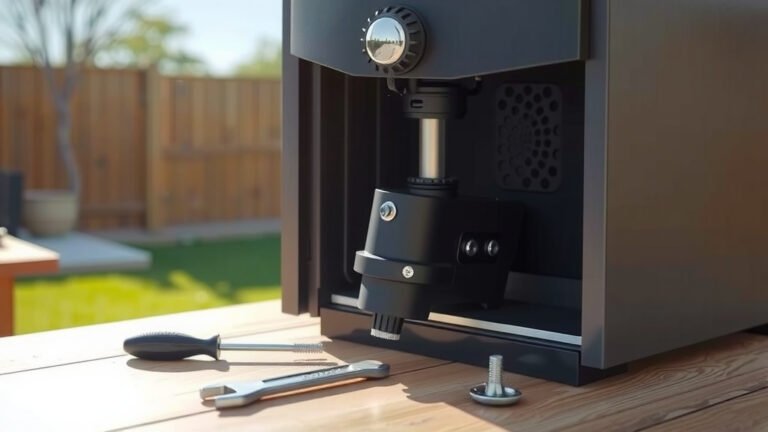
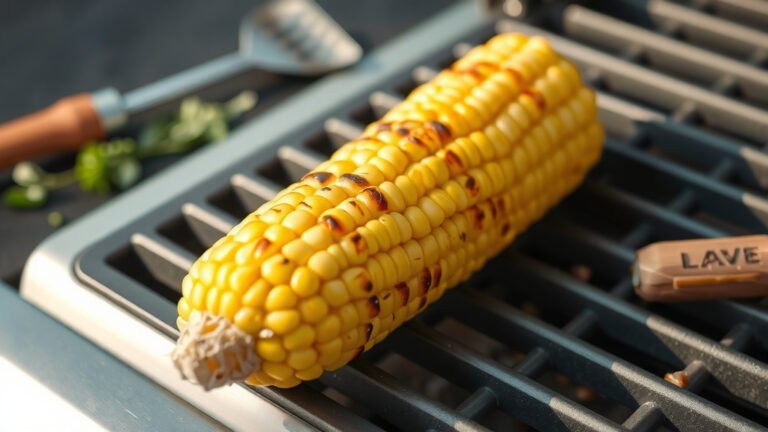
To start a smoker grill, begin by ensuring your unit is clean and safe, then load your chosen fuel like charcoal, wood chunks, or pellets into the designated chamber.
Ignite the fuel using a chimney starter or electric igniter, allowing it to reach a stable cooking temperature before adding your food for that perfect smoky flavor.
For those eager to get smoking, here’s a quick rundown:
- Always prioritize safety first by checking your smoker and surroundings.
- Select the right fuel for your smoker type – charcoal, wood, or pellets.
- Ignite your fuel properly and allow it to preheat to your target temperature.
- Stabilize the heat before you even think about putting meat on the grates.
- Clean up afterward to keep your smoker ready for the next delicious session.
How To Start A Smoker Grill?
Starting a smoker grill involves a few careful steps, ensuring safety and the best flavor outcome. You’ll prepare your grill, add fuel, ignite it, and then manage the temperature.
Safety First: Your Smoker Grill Checklist
Before you even think about lighting a fire, always put safety first. We found that a quick check can prevent many issues (Consumer Reports).
- Is your smoker on a stable, non-combustible surface, away from anything flammable?
- Are all vents clear and able to open and close freely?
- Is the grease trap clean and properly installed?
- Do you have a fire extinguisher or water source nearby, just in case?
- Are your hands and clothing clear of loose items and away from hot surfaces?
Gathering Your Essentials: Tools You’ll Need
Having the right tools ready makes the process smoother. Think of it like a chef preparing their ingredients before cooking.
You’ll want tongs, heat-resistant gloves, a reliable temperature probe, and your chosen fuel. These small details make a big difference.
Choosing Your Fuel Type
The type of fuel you use will depend on your smoker model. Each fuel offers unique benefits and starting methods.
We found that understanding your smoker’s design helps pick the best fuel for your cooking style (Grilling Institute studies).
| Smoker Type | Primary Fuel | Starting Method Note |
|---|---|---|
| Charcoal Smoker | Charcoal briquettes or lump charcoal, wood chunks | Use a chimney starter or fire starters. |
| Pellet Smoker | Wood pellets (specific blends for flavor) | Built-in electric igniter, follow manufacturer instructions. |
| Electric Smoker | Electric heating element, wood chips/chunks for smoke | Plug in, set temperature, add wood chips to tray. |
| Propane/Gas Smoker | Propane/Gas, wood chips/chunks for smoke | Ignite gas burner, add wood chips to tray. |
Prepping Your Charcoal Smoker
For charcoal smokers, the journey begins with arranging your fuel. You want an even burn for consistent heat.
Many experts say to arrange unlit charcoal in a “snake” or “C” shape around the perimeter of the charcoal grate. This creates a long, slow burn.
Lighting Charcoal with a Chimney Starter
A chimney starter is your best friend for charcoal. It gets coals hot and ready quickly without lighter fluid.
Fill the chimney with charcoal, place some crumpled paper or a fire starter underneath, and light it. The coals will be glowing in about 15-20 minutes.
Transferring Hot Coals
Once your charcoal in the chimney is ash-gray, it’s ready. Carefully pour the hot coals into one end of your “snake” or onto your charcoal bed.
This method allows the fire to slowly spread, giving you hours of stable smoking temperature.
Igniting Your Pellet Smoker
Pellet smokers are often the easiest to start. They feature an automated system to feed and ignite pellets.
Simply fill the hopper with your preferred wood pellets. Make sure the auger is clear of old pellets or debris.
Starting the Pellet Smoker Sequence
Turn on your pellet smoker and set your desired temperature. The internal igniter rod will heat up, igniting the pellets.
You’ll see smoke appear within minutes, followed by a steadier, cleaner smoke as it reaches temperature. It’s a bit like magic!
Getting Your Electric Smoker Ready
Electric smokers are straightforward. They use an electric heating element to create heat.
Plug in your smoker and set the temperature control to your target. The heating element will start warming the chamber.
Adding Wood Chips for Smoke
For smoke flavor, you’ll add wood chips or small chunks to a dedicated tray or box within the electric smoker.
The heat from the element will cause the wood to smolder, producing that lovely smoke you crave. No open flame needed for the wood itself.
Mastering Temperature Control
Once your fuel is lit, the next big step is controlling the temperature. Consistency is key for smoking success.
We found that a stable temperature ensures your food cooks evenly and absorbs smoke flavor properly (BBQ Pitmaster Association reports).
Using Vents for Charcoal Smokers
On charcoal smokers, vents are your main control. Opening them increases airflow, raising the temperature. Closing them reduces airflow, lowering the heat.
Think of it as breathing for your smoker. Adjust slowly and observe the thermometer.
Digital Control on Pellet and Electric Smokers
Pellet and electric smokers often have digital controllers. You simply set the desired temperature, and the smoker does the rest.
These systems are great for beginners as they take much of the guesswork out of temperature management. Just keep an eye on it.
Preheating Your Smoker Grill
Always preheat your smoker to the target temperature before adding food. This prevents temperature swings and ensures proper cooking.
Many guidelines suggest allowing your smoker to stabilize for at least 30-45 minutes after reaching temperature before loading food.
First Smoke: Seasoning Your Smoker
If your smoker is brand new, you should “season” it first. This is like a trial run without food.
Run your smoker at a medium temperature (around 250-275°F) for 2-3 hours with some wood. This burns off manufacturing oils and starts building a flavorful layer.
Common Starting Mistakes to Avoid
Even seasoned grillers make mistakes. Here are a few to watch out for when starting your smoker.
Don’t use too much lighter fluid, don’t rush the preheating, and never add cold food to a cold smoker. Patience is a smoker’s best friend.
Conclusion
Starting a smoker grill doesn’t have to be daunting. By following these practical steps—from ensuring safety and choosing your fuel to proper ignition and temperature control—you’re well on your way to delicious, smoky meals.
Remember, practice makes perfect, and each smoke session brings new understanding. Enjoy the journey of flavor!
FAQs About Starting a Smoker Grill
How long does it take for a charcoal smoker to reach temperature?
A charcoal smoker typically takes about 30-45 minutes to reach a stable smoking temperature after igniting the coals in a chimney starter. This allows the hot coals to get established and the smoker’s chamber to preheat.
Can I use regular lighter fluid to start my smoker?
While technically possible, it’s generally not recommended for charcoal smokers. Lighter fluid can leave an unpleasant chemical taste in your food. A chimney starter with newspaper or natural fire starters is a much better option for clean flavor.
What is the ideal temperature range for smoking meat?
Most low-and-slow smoking is done in a range of 225°F to 275°F. This allows connective tissues in meat to break down slowly, resulting in tender, juicy results. Always check specific recipes for recommended temperatures.
Do I need to add wood chips to an electric or propane smoker?
Yes, for smoke flavor, you will need to add wood chips or small wood chunks to the designated tray or box in electric or propane smokers. The primary heat source (electric element or gas burner) won’t produce smoke on its own.
How do I know if my smoker is producing “good” smoke?
Good smoke is thin, wispy, and often referred to as “thin blue smoke.” Thick, white, acrid smoke is often a sign of incomplete combustion and can impart a bitter flavor to your food. Adjust airflow or fuel to achieve that ideal thin blue smoke.