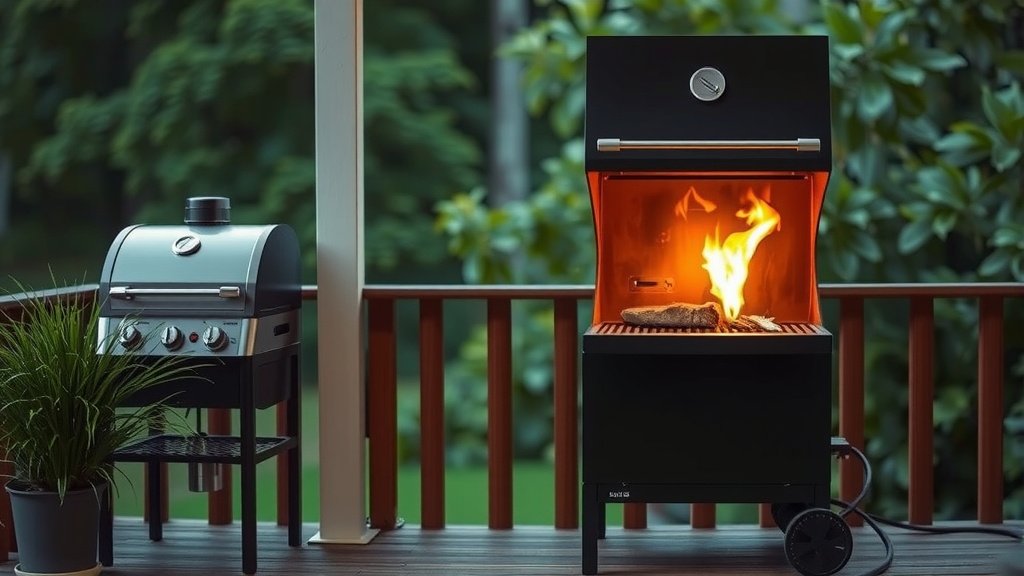
To start a pellet grill, you typically fill the hopper with wood pellets, plug it in, and turn the power on. Then, you select your desired cooking temperature on the digital controller, and the auger will feed pellets into the firepot to ignite.
Allowing your grill to preheat fully to the set temperature ensures a stable cook, signaling it’s ready for your food.
TL;DR: Starting Your Pellet Grill
- Always check your pellet level and remove any old ash first.
- Plug in your grill and turn the main power switch on.
- Set your desired cooking temperature on the digital controller.
- Wait for the grill to ignite and reach your target temperature.
- Maintain a clean firepot and hot rod for consistent performance.
How To Start A Pellet Grill?
Starting a pellet grill involves a few simple steps, ensuring a smooth cook from beginning to end. You just need to check a few things, power it up, and set your temperature.
Your First Steps Before Ignition
Before you even think about pushing that power button, a quick check-up saves a lot of headaches. Think of it as your grill’s pre-flight routine. You want everything ready for a successful takeoff into deliciousness.
Check Your Pellet Supply
Running out of pellets mid-cook is a real bummer, isn’t it? Always make sure your hopper has plenty of fresh pellets before starting. Old, damp pellets can cause issues, so keep them dry.
Clean the Firepot
Is there a pile of ash in your firepot? If so, you need to clean it out. A clean firepot is crucial for proper ignition and airflow, as many experts agree (Pellet Grill Manufacturer Guidelines).
Excess ash can smother the igniter rod, stopping your grill from lighting. You want that hot rod to glow freely.
Powering Up Your Pellet Grill
Now that your grill is prepped, let’s get it going. This part is generally straightforward for most models. You’re ready to introduce power to your cooking machine.
Plug It In and Turn On the Power
This sounds obvious, right? But sometimes the simplest things are forgotten. Plug your grill into a grounded electrical outlet. Then, flip the main power switch, usually located near the cord connection or on the controller.
Setting Your Desired Temperature
Once powered on, your grill’s digital controller will likely show the current internal temperature. Use the dial or buttons to select your target cooking temperature. Many grills have a “Smoke” setting for low-temperature smoking or a “High” setting for searing.
The Ignition Process Explained
Once you set the temperature, the magic begins. Your grill’s internal systems work together to create that initial flame. It’s quite clever, really, how it happens.
How the Auger and Igniter Work
The controller sends a signal to the auger, which is a corkscrew-like rod. This auger starts turning, feeding wood pellets from the hopper into the firepot. At the same time, the hot rod igniter begins to heat up, glowing red hot (we found this in many grill manuals).
Fan Assisted Combustion
A combustion fan will also start blowing air into the firepot. This airflow helps to ignite the pellets and creates a stable flame. You’ll often hear a distinct fan noise during this process.
The Initial Start-Up Smoke
Don’t be alarmed by the smoke! When your grill first starts, it will produce a thick, white smoke for a few minutes. This is completely normal and means the pellets are igniting.
Once the grill is hot and burning cleanly, the smoke will thin out. You want a thin, blue smoke during your cook, often called “thin blue smoke.”
Understanding the Prime Feature
Some pellet grills have a “prime” button or function. What does it do? It manually runs the auger to load fresh pellets into the firepot faster.
You might use this if your grill ran completely out of pellets, or if you swapped pellet flavors. It helps speed up ignition. Just remember not to over-prime, which can flood the firepot.
First Time Use: The Burn-In Process
If your pellet grill is brand new, you’ll want to perform a “burn-in” cycle. This is important to get rid of any manufacturing oils or residues.
- Fill your hopper with food-grade pellets.
- Set the temperature to a high setting (e.g., 350-400°F).
- Let it run for 45-60 minutes empty.
- This ensures your first meal tastes amazing, not like factory grease!
Troubleshooting Common Starting Issues
Sometimes, things don’t go as planned. If your grill isn’t starting, don’t panic! Here’s a quick guide to common problems and solutions.
| Issue | Possible Cause | Solution |
|---|---|---|
| No smoke/Ignition | Empty hopper, wet pellets, dirty firepot, faulty igniter | Check pellets, clean firepot, replace igniter if needed |
| Grill won’t turn on | Not plugged in, tripped breaker, faulty power cord | Check power, reset breaker, inspect cord |
| Over-smoking after start | Too many pellets in firepot (over-primed) | Clean out excess pellets, try again |
Pre-Cook Checklist for Easy Starts
A little preparation goes a long way. Use this simple checklist before each cook.
- Is the hopper full of fresh, dry pellets?
- Is the firepot free of ash and debris?
- Are the grates and drip tray relatively clean?
- Is the grease bucket emptied?
- Is your grill plugged into a working power outlet?
Maintaining Your Grill for Smooth Starts
Regular maintenance ensures your grill starts reliably every time. It’s like giving your car regular oil changes. A little effort now saves bigger problems later.
Keep it Clean
Beyond the firepot, regularly clean the internal components, including the heat baffle and the grates. Accumulated grease can be a fire hazard (Food Safety Guidelines).
Store Pellets Properly
Pellets are like sponges for moisture. Store them in an airtight container in a cool, dry place. Wet pellets are incredibly difficult to light and burn poorly.
Safety First When Starting
Grilling involves heat and fuel, so safety is always important. Always keep an eye on your grill during startup.
Never Use Accelerants
Do NOT use lighter fluid or any other accelerants to start your pellet grill. These can be dangerous and damage your grill. Pellet grills are designed to ignite on their own.
Monitor During Ignition
Stay near your grill during the initial ignition phase. This way, you can quickly address any unusual noises or excessive smoke. It’s smart to be present for those first few minutes.
Conclusion
Starting a pellet grill is a straightforward process once you understand the basic steps and checks. From ensuring your pellet supply is adequate to cleaning the firepot, each small action plays a role. You’re setting yourself up for success. By following these simple guidelines, you can enjoy delicious, perfectly cooked food with ease and confidence. Happy grilling!
FAQs About Starting Your Pellet Grill
How long does it take for a pellet grill to ignite?
Typically, a pellet grill takes about 5 to 10 minutes to ignite and produce initial smoke. After that, it needs another 10 to 15 minutes to fully preheat and reach your desired cooking temperature.
Why is my pellet grill not producing smoke when I start it?
If your grill isn’t producing smoke, it often indicates the pellets aren’t igniting. Check for an empty hopper, damp pellets, a clogged firepot with ash, or a faulty hot rod igniter. Ensuring a clear path for pellets and a clean firepot is often the solution.
Can I open the lid during startup?
Yes, you can often leave the lid open for the first few minutes during startup to help with airflow and see if the pellets are igniting properly. However, once the grill produces steady smoke, close the lid to allow it to preheat efficiently to your set temperature.
What if my grill displays an “ERR” or “LEr” code during startup?
An “ERR” or “LEr” (Low Temperature Error) code often means the grill failed to reach its target temperature within a set timeframe. This could be due to a lack of pellets, a problem with the igniter, or extreme cold weather. Consult your grill’s manual for specific troubleshooting steps related to the error code.
Do I need to prime my pellet grill every time I use it?
No, you do not need to prime your pellet grill every time. The prime function is mainly for when you’ve run completely out of pellets or are changing pellet flavors, to ensure the auger quickly fills the firepot. For regular use, simply setting the temperature is enough.