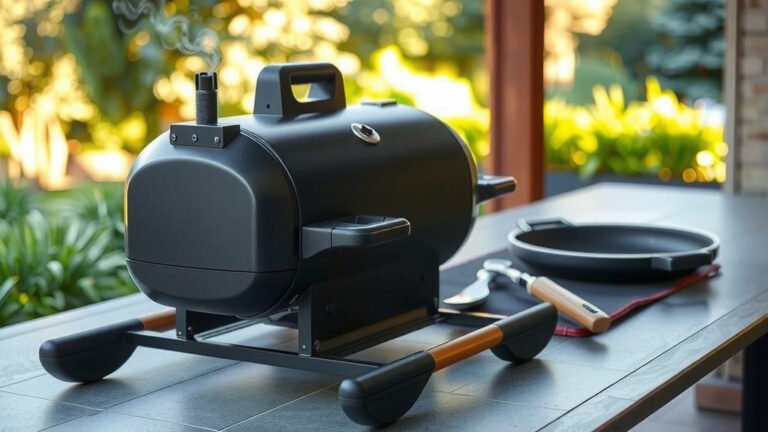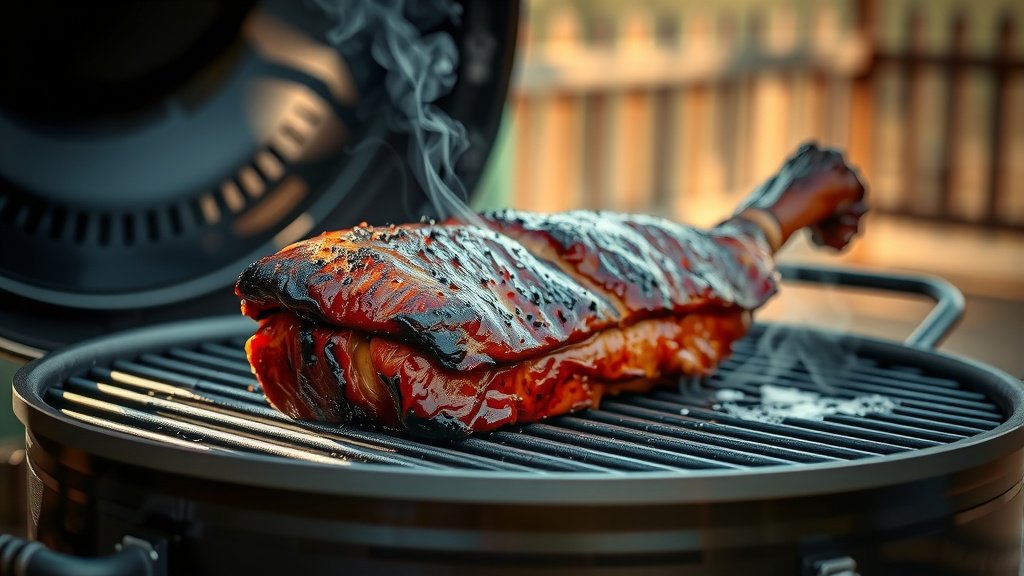
To smoke a roast on a pellet grill, you typically set your grill to a low temperature, like 225-275°F (107-135°C), and cook until the roast reaches its desired internal temperature for tenderness and flavor.
This method transforms an ordinary cut of meat into a succulent, smoky masterpiece, perfect for any gathering or special meal on your pellet grill.
- Get a beautiful, smoky roast using your pellet grill with simple steps.
- Learn how to select the right roast and prepare it for the smoker.
- Master the art of temperature control and monitoring for perfect results.
- Discover tips for seasoning, resting, and troubleshooting common smoking issues.
- Enjoy a tender, flavorful roast that will impress everyone at your table.
How To Smoke A Roast On A Pellet Grill?
Smoking a roast on a pellet grill is truly rewarding. You get that amazing smoky flavor combined with tender, juicy meat. It’s easier than you might think.
We’ll walk you through each step, ensuring you feel confident. Soon, you’ll be pulling off perfectly smoked roasts like a pro, making you the hero of your backyard.
Why Use a Pellet Grill for Roasts?
Pellet grills are fantastic for smoking. They give you consistent temperatures, which is crucial for a slow cook. You set it and mostly forget it, much like an oven.
Plus, they create that lovely, continuous smoke. This means your roast will absorb plenty of flavor without constant attention. It’s a real game-changer for backyard chefs.
Choosing Your Perfect Roast
The journey to a great smoked roast begins with picking the right cut. Think about what kind of flavors you love. Different roasts offer different textures and fat content.
We found that specific cuts truly shine on a pellet grill. A good choice sets you up for success, leading to a much better outcome. Don’t rush this important step.
Best Cuts for Smoking
Many experts say that chuck roast, pork shoulder, and beef sirloin are excellent choices. They all respond well to the low and slow smoking process.
Chuck roast, often used for pot roasts, becomes incredibly tender and flavorful. Pork shoulder, for pulled pork, is another fantastic option. Even a leaner sirloin can be amazing when smoked properly.
Essential Tools You’ll Need
Before you start, gather your equipment. Having everything ready saves you time and stress later on. Think of it like baking; you wouldn’t start without all your ingredients.
A few key tools make the smoking process much smoother. You likely have most of these already, making it even easier to get started quickly.
- Your trusty pellet grill and plenty of wood pellets.
- A good quality meat thermometer (leave-in probe is best).
- Sharp knife for trimming and butcher’s twine if needed.
- A large baking pan or drip pan.
- Your favorite dry rub or marinade ingredients.
- Heat-resistant gloves for handling the hot meat.
Prepping Your Roast for the Smoke
Preparation is key for any great meal. It’s where you add flavor and ensure even cooking. Don’t skip these steps; they truly make a difference.
Taking a little extra time now means a much more delicious and tender roast later. Think of it as investing in future flavor. You’ll thank yourself later.
Trimming and Tying the Roast
You might need to trim excess fat from your roast. Too much fat can prevent smoke penetration or cause flare-ups. A little fat cap is good for moisture, though.
If your roast is irregularly shaped, tying it with butcher’s twine helps it cook evenly. This ensures no thin parts overcook while thicker sections are still raw. Many chefs agree this is an important step.
Seasoning for Flavor Perfection
This is where you infuse your roast with amazing taste. You have options here: a dry rub or a marinade. Both can create fantastic results, just in different ways.
Consider the type of meat and the flavor profile you want. Do you like spicy, savory, or something a bit sweet? The choice is yours to make.
Dry Rub vs. Marinade
A dry rub is a blend of spices applied directly to the meat. It forms a crust during smoking and adds a deep, savory flavor. Just rub it on thoroughly.
Marinades, on the other hand, use liquid ingredients to tenderize and flavor the meat. They often work best with leaner cuts or if you have more time for soaking. We found that both methods work well.
The Overnight Chill?
Some people like to season their roast and let it sit in the fridge overnight. This allows the flavors to penetrate deeper into the meat.
Research suggests that a longer seasoning time can lead to a more flavorful bark. It’s not strictly necessary, but it can enhance the taste. Give it a try if you have the time.
The Smoking Process: Step-by-Step
Now for the fun part: getting that roast onto the grill. This is where your pellet grill truly shines. It’s all about consistent heat and patience.
Following these steps will guide you to a perfectly smoked roast. Don’t worry, it’s simpler than you might imagine. You’ve got this.
Setting Up Your Pellet Grill
First, fill your hopper with your chosen wood pellets. Hickory, oak, or cherry are popular for roasts. Turn on your grill and set it to your desired smoking temperature, usually 225-275°F.
Allow the grill to preheat fully, reaching a stable temperature. This might take 15-20 minutes. A stable temperature prevents uneven cooking, as many experts will tell you.
Placing Your Roast on the Grill
Once your grill is ready, place the roast directly on the grates. You might want to use a drip pan underneath to catch any drippings. This helps keep your grill cleaner.
Insert your meat thermometer into the thickest part of the roast. Make sure it’s not touching any bone, as bones can give inaccurate readings. Close the lid and let the magic happen.
Monitoring Temperature and Time
The key to a perfectly smoked roast is internal temperature, not just time. Every roast is different. You want to cook until it reaches your target doneness.
| Roast Type | Target Internal Temperature (Before Rest) | Doneness |
|---|---|---|
| Beef (Chuck, Sirloin) | 195-205°F (90-96°C) | Shreddable/Fork Tender |
| Beef (Round, Rib) | 130-135°F (54-57°C) | Medium Rare |
| Pork (Shoulder) | 195-205°F (90-96°C) | Shreddable/Fork Tender |
Research shows that pork and beef roasts for shredding benefit from higher internal temperatures (USDA guidelines). Leaner beef roasts might aim for lower temperatures for slicing.
The Stall Phenomenon
Don’t be surprised if your roast’s internal temperature stops rising for a while. This is called “the stall.” It happens as moisture evaporates from the meat, cooling it down.
Just be patient; it’s a normal part of the process. Some people wrap their roast in butcher paper or foil during the stall to push through it faster. We found this method can help.
Resting Your Smoked Roast
Once your roast hits its target internal temperature, take it off the grill. This is perhaps one of the most critical steps, often overlooked.
Tent it loosely with foil and let it rest for at least 30 minutes, or even an hour for larger roasts. This allows the juices to redistribute, resulting in a much juicier and more tender cut of meat.
Troubleshooting Common Roast Smoking Issues
Sometimes things don’t go exactly as planned. But don’t worry, most issues are easy to fix. We’ve all been there, and learning from experience makes you a better pitmaster.
Let’s look at a couple of common problems and how you can avoid or fix them. You’ll be well-prepared for any situation.
What if My Roast is Dry?
A dry roast is a common concern. This often happens if it’s cooked too long or at too high a temperature. Overcooking can strip away those precious juices.
Using a good quality meat thermometer and pulling the roast at the right temperature is key. Also, remember that crucial resting step; it really helps with moisture retention. Many chefs say resting is non-negotiable.
Not Enough Smoke Flavor?
Are you missing that deep, smoky taste? Maybe your pellet grill temperature was too high. Higher temperatures burn pellets more efficiently, producing less smoke.
Try lowering your grill temperature to the 225-250°F range for more smoke. Also, ensure you have fresh pellets. Sometimes old pellets don’t smoke as well. We found certain pellet types also produce more smoke than others.
Pre-Smoke Checklist
Before you light up the grill, a quick check can save you headaches. It’s like checking your oven before baking that cake. A little preparation goes a long way.
Go through this short list to ensure you’re fully ready for a smooth smoking session. You’ll thank yourself for being so organized and prepared.
- Roast trimmed and tied?
- Seasoning applied?
- Pellet hopper filled?
- Meat thermometer ready?
- Drip pan in place?
- Grill grates clean?
Conclusion
Smoking a roast on your pellet grill is a truly satisfying experience. From choosing your cut to the final resting period, each step contributes to a flavorful outcome. You are now equipped with the knowledge and confidence to tackle your next smoke session.
Remember to keep temperatures consistent, monitor the internal temperature diligently, and always allow for proper resting. Your pellet grill is an incredible tool for creating memorable meals, and with these tips, you’re ready to master the art of smoked roasts.
How long does it take to smoke a roast on a pellet grill?
The cooking time for a roast on a pellet grill varies significantly based on its size, cut, and the target internal temperature. A good rule of thumb is approximately 45-60 minutes per pound at 225-250°F, but always cook to internal temperature, not just time.
What kind of pellets are best for smoking beef roasts?
For beef roasts, strong woods like hickory, oak, or mesquite pellets are often preferred. They impart a rich, robust smoky flavor that complements beef well. For a milder taste, cherry or pecan can also be good choices.
Should I wrap my roast when smoking on a pellet grill?
Wrapping your roast, often in butcher paper or foil, can help it power through the “stall” (when internal temperature plateaus) and retain moisture. It’s a personal preference; some prefer an unwrapped roast for a thicker bark, while others wrap for speed and juiciness.
What internal temperature should a beef roast be for medium rare?
For a medium-rare beef roast, you should aim to pull it off the grill when its internal temperature reaches around 130-135°F (54-57°C). Remember, the temperature will rise another 5-10 degrees during the resting period.
Can I smoke a frozen roast on a pellet grill?
No, you should never smoke a frozen roast. Always thaw your roast completely in the refrigerator before smoking. Smoking a frozen roast can lead to uneven cooking, an extended stall, and increase the risk of foodborne illness if it stays in the “danger zone” for too long (USDA guidelines).