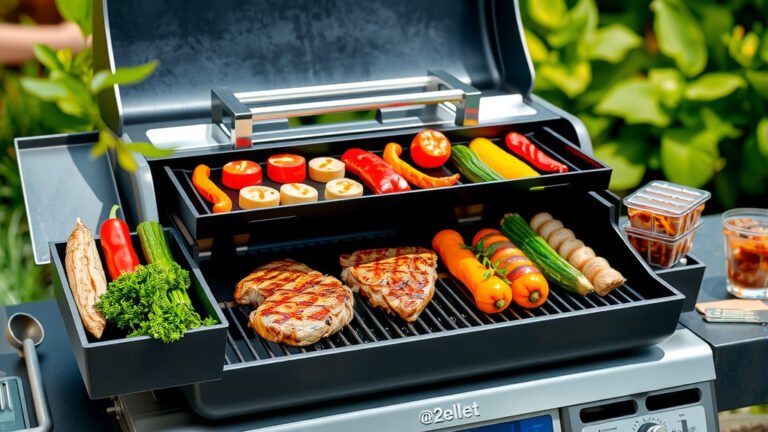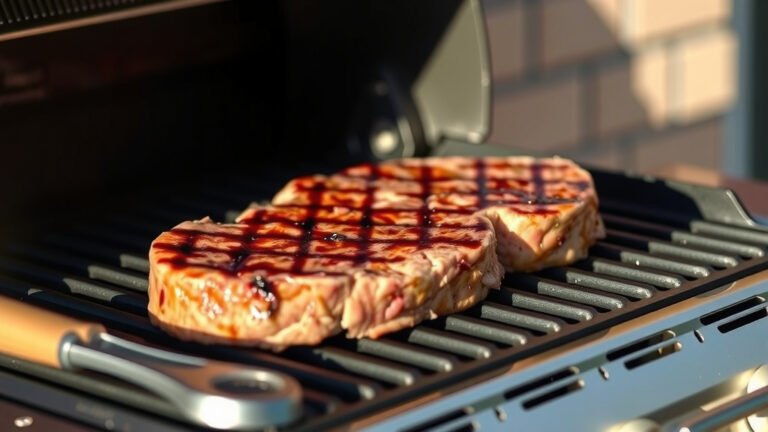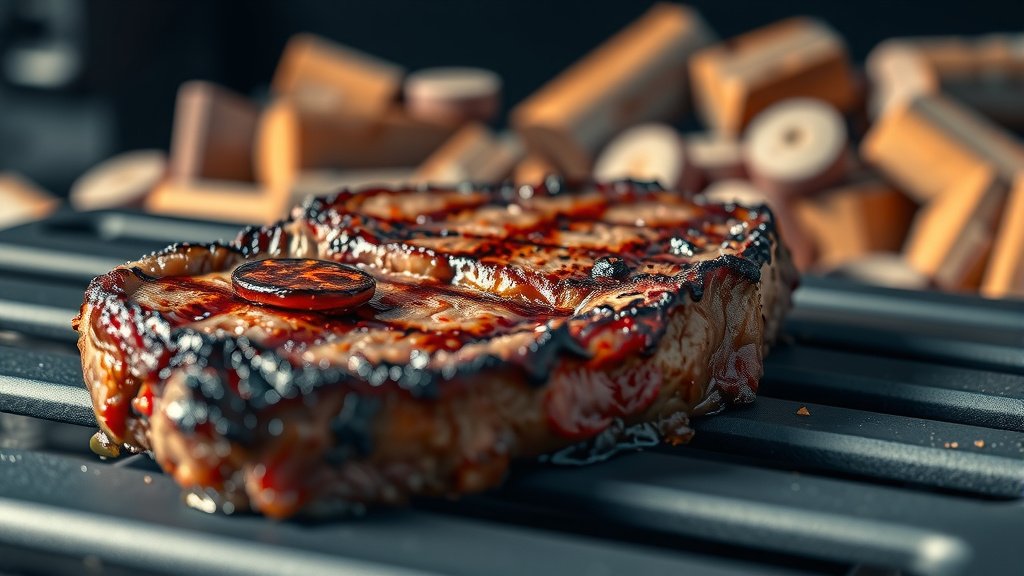
To reverse sear a steak on a pellet grill, you first cook it low and slow at around 225°F (107°C) until it reaches about 10-15 degrees below your desired final temperature, then you crank the grill to its highest setting for a quick, hot sear on both sides.
This method gives you a perfectly even cook from edge to edge with a fantastic, crispy crust, making for a truly restaurant-quality steak right from your own pellet grill.
- You will achieve an incredibly even cook and a superb crust on your steak.
- The process involves a two-stage cooking approach: low temperature first, then high temperature.
- A pellet grill simplifies temperature control for both stages.
- Patience during the low-and-slow phase is key for tenderness.
- Always use a meat thermometer for perfect doneness.
How To Reverse Sear A Steak On A Pellet Grill?
Reverse searing a steak on a pellet grill involves cooking it slowly at a low temperature, then quickly searing it at a high temperature for a beautiful crust.
Ever wondered how steakhouses get that perfect medium-rare from edge to edge? That’s the magic of the reverse sear! When you use your pellet grill for this method, you’re not just cooking a steak; you’re crafting a culinary masterpiece. Are you ready to dive in?
Why Reverse Sear Your Steak?
The reverse sear method offers several big benefits. You get a much more even cook throughout the steak. This means no gray band around the edges, just juicy pink goodness. We often find that this technique locks in more moisture too, leading to a tenderer bite.
Another plus is the amazing crust. That high-heat finish creates a crispy, flavorful exterior that’s hard to beat. It’s like getting the best of both worlds: tender inside, crispy outside. Many experts say it’s the superior way to cook thicker cuts (Cook’s Illustrated).
The Science Behind It
Think of it like this: slow cooking gently brings the steak up to temperature. This allows enzymes to break down tough muscle fibers. Research often connects this slow process with increased tenderness (USDA). It’s similar to how a slow-cooked brisket gets so tender.
The high heat at the end is for the Maillard reaction. This is a fancy term for browning, creating hundreds of new flavor compounds. It’s not just about color; it’s about deep, rich flavor development. You want that satisfying sizzle!
Getting Your Pellet Grill Ready
Before you even touch your steak, you need to prep the grill. Is it clean? Are your pellets stocked? We always recommend a quick check. A clean grill prevents old food bits from sticking to your steak or imparting off-flavors.
For the initial low-and-slow phase, set your pellet grill to around 225°F (107°C). This temperature is ideal for gentle cooking. Make sure your grill has preheated fully before placing the steak on the grates. Consistency is your friend here.
Choosing the Right Steak
Not all steaks are created equal for reverse searing. We found that thicker cuts work best. Look for steaks at least 1.5 inches thick. Ribeyes, New York Strips, and sirloins are all fantastic choices. Why thick? Thicker steaks can handle the longer cooking time without drying out.
A good marble score is important too. That intramuscular fat adds flavor and juiciness. Don’t be shy about asking your butcher for a well-marbled cut. It makes all the difference.
Seasoning Your Steak for Flavor
Once you have your steak, seasoning is the next step. Simple is often best. A generous amount of kosher salt and freshly cracked black pepper is usually all you need. Don’t be shy with the salt; much of it will fall off during cooking.
You can season your steak an hour or two before cooking, or even the night before. This allows the salt to penetrate deeper, tenderizing the meat and enhancing flavor. This process is often called dry brining.
Here’s a quick checklist before you start grilling:
- Steak thickness: At least 1.5 inches.
- Grill cleaned: Remove any old debris.
- Pellets loaded: Enough for the cook.
- Seasoning applied: Salt and pepper are key.
- Meat thermometer ready: Essential for accuracy.
- Resting rack available: For after the sear.
The Low-and-Slow Cook
Place your seasoned steak directly on the pellet grill grates. Keep the grill at 225°F (107°C). Now, this is where your meat thermometer comes in handy. Insert it into the thickest part of the steak, avoiding any bones.
You’re aiming for an internal temperature about 10-15 degrees below your final desired doneness. For example, if you want medium-rare (130°F), pull the steak when it reaches 115-120°F. This slow cook might take 45-60 minutes, depending on thickness. Patience is a virtue!
Monitoring Internal Temperature
Don’t just guess! A good digital meat thermometer is non-negotiable for reverse searing. You want to check the temperature periodically, but try not to open the grill too often. Every time you open it, heat escapes, extending your cooking time.
We’ve found that inserting the probe horizontally into the side of the steak can give a more accurate reading. This prevents the probe from touching the hot grates, which can skew the numbers.
The Searing Phase: Crank up the Heat!
Once your steak reaches its target internal temperature, remove it from the grill. Increase your pellet grill’s temperature as high as it will go. Many grills hit 450-500°F (232-260°C). Some even have a ‘sear zone’ or direct flame access.
While the grill heats up, let your steak rest for about 10-15 minutes. This brief rest helps redistribute juices. It also gives you time to prepare for the high-heat sear. Don’t worry, the internal temp won’t drop too much.
Achieving the Perfect Crust
When your grill is screaming hot, place the steak back on. Sear for 1-2 minutes per side. You’re looking for that deep brown crust. Don’t be afraid to flip it a couple of times. Some chefs suggest flipping every 30 seconds for the most even crust development. We’ve seen great results with this approach.
You can also use a cast iron pan directly on the pellet grill if your grill can get hot enough. This provides amazing direct heat for an even better sear. Just be careful; that pan will be incredibly hot!
| Doneness Level | Target Internal Temp (Low Cook) | Final Internal Temp (After Sear) |
|---|---|---|
| Rare | 110-115°F (43-46°C) | 120-125°F (49-52°C) |
| Medium-Rare | 115-120°F (46-49°C) | 130-135°F (54-57°C) |
| Medium | 125-130°F (52-54°C) | 135-140°F (57-60°C) |
| Medium-Well | 135-140°F (57-60°C) | 145-150°F (63-66°C) |
| Well Done | 145-150°F (63-66°C) | 155-160°F (68-71°C) |
The All-Important Rest
Once you’ve got that gorgeous crust, take your steak off the grill immediately. Place it on a cutting board and tent it loosely with foil. Let it rest for 5-10 minutes. This resting period is just as vital as the cooking itself.
During the rest, the juices inside the steak redistribute evenly. If you cut into it too soon, those precious juices will spill out, leaving you with a drier steak. Think of it as the steak taking a deep breath before being enjoyed.
Conclusion
Reverse searing a steak on your pellet grill is a game-changer. It’s a method that promises a consistently tender interior and an irresistible, crispy crust every single time. By following these steps—from slow cooking to a quick, hot sear, and then that crucial rest—you’re well on your way to grilling perfection.
Don’t be afraid to experiment with different rubs or wood pellet flavors once you master the basics. Your pellet grill is a versatile tool, and the reverse sear is one of its finest applications. So go ahead, fire it up, and enjoy a truly incredible steak!
Can I reverse sear a thin steak?
While you can, it’s not recommended. Thin steaks (under 1.25 inches) cook too quickly during the low-and-slow phase, making it hard to develop an even internal temperature before the searing stage. Thicker cuts truly shine with this method.
Do I need to flip the steak during the low-and-slow cook?
No, there’s no need to flip the steak during the initial low-temperature cook. The indirect heat from the pellet grill will cook it evenly from all sides. Flipping it can unnecessarily release heat and lengthen the cooking time.
What if my pellet grill doesn’t get hot enough for a good sear?
If your pellet grill struggles to reach high searing temperatures, consider using a separate cast iron skillet. Get the skillet screaming hot on a side burner or even your kitchen stovetop, then transfer the steak to the skillet for the sear. This ensures a proper crust.
Should I add butter or oil to the steak during the sear?
A little high-smoke-point oil (like avocado or grapeseed) can help with crust formation if searing in a pan. If directly on the grill grates, some folks like to brush the steak with butter after the initial sear, but it’s not strictly necessary for the process itself. Keep it simple for best results.
How long can I let the steak rest after the low cook before searing?
You can let the steak rest for about 10-20 minutes after the low cook while your grill heats up for the sear. This short rest won’t significantly impact the internal temperature and actually helps redistribute some of the juices, making it ready for the intense heat of the sear.