You can make jerky on a pellet grill by slicing lean meat thinly, marinating it with spices, and then dehydrating it slowly at a low temperature, usually between 160-180°F, until it’s dry but still pliable. The pellet grill infuses a wonderful smoky flavor, setting it apart from oven-dried jerky.
For making jerky on a pellet grill, the key steps involve proper meat preparation, effective marination, and precise temperature control. You’ll need lean meat, a flavorful marinade, and a grill that can maintain a consistent low temperature for several hours.
- Prepare your meat by trimming fat and slicing it thinly against the grain.
- Marinate your meat for at least 6-12 hours for deep flavor absorption.
- Set your pellet grill to a low temperature, typically 160-180°F, for slow drying.
- Arrange meat strips without overlapping for even dehydration and smoke penetration.
- Periodically check the jerky for dryness and flexibility, aiming for a leathery texture.
How To Make Jerky On A Pellet Grill?
Making jerky on a pellet grill is a straightforward process that combines dehydration with smoky flavor. You will get delicious results if you follow a few simple steps. This method is a fantastic way to preserve meat and create a tasty snack.
Why Choose a Pellet Grill for Jerky?
Pellet grills offer stable, low temperatures and consistent smoke generation. This control is perfect for making jerky, as it needs a long, slow cook. You avoid temperature spikes, ensuring even drying and smoke infusion.
Selecting the Right Meat for Jerky
The best jerky starts with the right meat. You want a lean cut with minimal fat. Fat can go rancid quickly, spoiling your jerky. Research shows that lean cuts are always better for long-term storage.
Top Meat Choices
Flank steak, top round, and eye of round are popular choices. You can also use venison or other wild game. Just remember, the less fat, the better your jerky will be. Trim all visible fat carefully.
Prepping Your Meat: Slicing is Key
Thin, uniform slices are essential for even drying. Partially freezing your meat for an hour or two makes it much easier to slice. Aim for slices about 1/8 to 1/4 inch thick. Cutting against the grain will give you a more tender jerky. Slicing with the grain creates a chewier product.
Crafting Your Jerky Marinade
A good marinade adds flavor and helps tenderize the meat. Basic ingredients include soy sauce, Worcestershire sauce, salt, pepper, garlic powder, and onion powder. Feel free to customize with your favorite spices. Many experts say a balance of salty, savory, and a touch of sweet works best.
Marinade Flavor Options
- Classic Beef Jerky: Soy sauce, black pepper, garlic powder.
- Spicy Kick: Add red pepper flakes, cayenne, or hot sauce.
- Teriyaki Style: Incorporate brown sugar and ginger with soy sauce.
- Smoky BBQ: Use liquid smoke, paprika, and a touch of cumin.
Marinating Time Matters
Allow your meat to marinate for a good amount of time. We found that 6 to 24 hours in the refrigerator is ideal. Shorter times result in less flavor penetration. Longer times allow for a richer, deeper taste.
Choosing the Right Pellets
The type of wood pellets you use will affect the smoke flavor. Hickory, mesquite, and oak provide strong, traditional smoke flavors. For a milder taste, apple or cherry wood pellets work wonderfully. Many people prefer a lighter smoke for jerky.
Setting Up Your Pellet Grill for Jerky
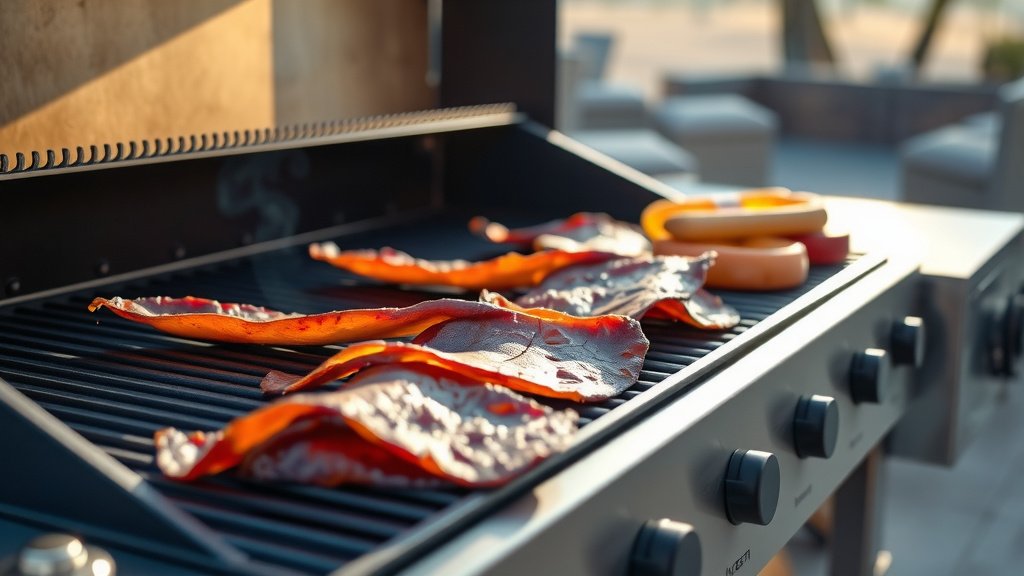
First, clean your grill grates to prevent sticking. Arrange your meat strips on the grates, leaving a small space between each piece. This airflow is crucial for proper dehydration and even smoking. Don’t crowd the grill.
Temperature and Time for Jerky
Set your pellet grill to a low temperature, typically between 160-180°F (71-82°C). This range is low enough to dehydrate the meat without cooking it too quickly. The cooking time usually ranges from 4 to 8 hours, depending on thickness and desired dryness. Research from food safety experts (USDA) suggests maintaining a temperature above 145°F for several hours to ensure safety.
Checking for Jerky Doneness
After about 4 hours, start checking your jerky. A properly dried piece of jerky will be firm, dry, and leathery. It should bend without snapping. There should be no moisture visible when you tear a piece. If it snaps cleanly, it might be over-dried.
Cooling and Storing Your Homemade Jerky
Once done, let the jerky cool completely on a wire rack. This allows any residual moisture to evaporate. Store your jerky in an airtight container or zip-top bags at room temperature for up to two weeks. For longer storage, you can refrigerate or freeze it. Always ensure it is fully dry before storing to prevent mold.
Jerky Making Checklist
Before you begin, make sure you have everything ready. This helps streamline the process and ensures a better outcome.
- Lean meat, trimmed of all fat
- Sharp knife or meat slicer
- Large bowl for marinating
- Sealable bags or container
- Your favorite marinade ingredients
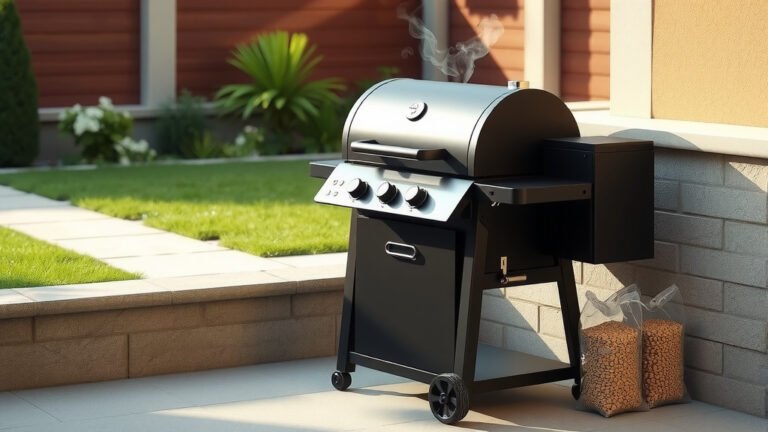
- Pellet grill and wood pellets
- Wire racks (if not using grill grates)
- Meat thermometer (optional, for grill temp)
Troubleshooting Common Jerky Issues
What if your jerky isn’t quite right? If it’s too dry, you might have cooked it too long or at too high a temperature. If it’s too moist, it needs more time on the grill. Uneven drying often points to inconsistent slicing or overcrowding the grill. It’s a learning process, so don’t be afraid to adjust.
Comparing Meat Types for Jerky
Different cuts offer varied textures and flavor absorption. Here is a simple comparison to guide your choice:
| Meat Type | Texture | Fat Content | Flavor Absorption |
|---|---|---|---|
| Flank Steak | Moderately Chewy | Very Low | Excellent |
| Top Round | Chewy | Low | Good |
| Eye of Round | Tender Chewy | Very Low | Good |
| Venison | Very Chewy | Extremely Low | Excellent |
Conclusion
Making jerky on your pellet grill is a rewarding experience. You get to control the ingredients and flavors, resulting in a snack you can truly enjoy. With the right preparation and attention to detail, you’ll be creating delicious, smoky jerky every time. It just takes a little patience and care. Enjoy your homemade jerky journey!
How do I prevent my jerky from getting moldy?
To prevent mold, ensure your jerky is completely dehydrated, leaving no moisture. Store it in an airtight container in a cool, dark place, or refrigerate/freeze for longer storage. Proper drying is the main defense against mold.
Can I use ground meat for jerky on a pellet grill?
Yes, you can use ground meat to make jerky, but the process is different. You’ll need a jerky gun to form uniform strips, and it cooks faster. Always ensure it reaches a safe internal temperature (160°F) before dehydrating to prevent foodborne illness (USDA).
What is the best way to get a consistent smoke flavor?
A pellet grill naturally offers consistent smoke because it feeds pellets gradually. To enhance it, ensure your grill is clean, and use quality wood pellets. You might also consider using a smoke tube for an extra boost of smoke, especially at lower temperatures.
How can I make my jerky more tender?
For more tender jerky, slice your meat against the grain, which breaks up muscle fibers. You can also include tenderizing ingredients in your marinade, like a bit of pineapple juice or vinegar, but use them sparingly to avoid affecting the flavor too much. Also, don’t over-dry it.
Is it safe to make jerky at such low temperatures?
Yes, it is safe as long as you follow recommended guidelines. The USDA suggests heating meat to 160°F for beef before or during the drying process to kill bacteria. Many pellet grills will slowly bring the meat to this temperature, and the sustained low heat then dehydrates it while maintaining safety.