How to Maintain a Portable Grill?
On this page (8 sections)
Keeping your portable grill in top shape is easy. Regular maintenance ensures delicious meals and longevity for your grill. It involves simple cleaning and checking key parts.
When you properly care for your portable grill, you prevent rust and ensure even heating. This means your burgers will sear perfectly every time. Think of it as giving your grill a spa day so it can perform its best for your backyard BBQs.
- Clean the grates after every use.
- Wipe down the exterior regularly.
- Check for grease buildup.
- Inspect propane connections.
- Store it properly when not in use.
Let’s walk through exactly how to keep your portable grill ready for your next cookout.
Keeping Your Portable Grill in Great Shape
Taking care of your portable grill means more delicious meals and a grill that lasts. It’s a bit like giving your car an oil change. You want it running smoothly for all your adventures. Regular upkeep prevents rust, ensures even heat, and keeps things safe. Let’s make sure your grill is always ready to fire up!
Cleaning Your Portable Grill: The Basics
The most important part of grill maintenance is cleaning. Think of it as giving your grill a good scrub after a messy dinner party. You wouldn’t leave dirty dishes out, right? Your grill needs the same attention. Consistent cleaning stops grease from building up, which can affect cooking and even become a fire hazard.
After Every Cookout: Grate Expectations
Your grill grates are where the magic happens. They get directly hit with all the food and grease. Cleaning them right after you’re done cooking is the best approach. While the grates are still warm, it’s much easier to remove stuck-on bits. A good stiff grill brush is your best friend here. For really stubborn spots, you might need a scraper.
After brushing, you can give them a quick wipe with a paper towel or a damp cloth. This removes any loose debris. If your grates are removable, you can take them out and give them a more thorough wash with warm, soapy water. Just make sure they are completely dry before putting them back or storing them.
Don’t Forget the Inside: Drip Pans and Burners
Underneath those grates, there’s more cleaning to do. Most portable grills have a drip pan or a grease tray. This collects all the drippings. If you don’t empty and clean this regularly, it can overflow or even catch fire. It’s usually a simple pan that slides out. Wash it with hot, soapy water and dry it thoroughly. We found that doing this every few uses helps prevent major messes.
Next, check your burner tubes. Sometimes, food particles or debris can clog the small holes where the flame comes out. This can lead to uneven heating. You can use a small brush or even a paperclip to gently clear out these holes. Be careful not to enlarge them. If you notice weak flames or a yellow flame instead of a blue one, this is often the culprit.
Exterior Care: Keeping It Looking Sharp
The outside of your grill deserves some love too! You can wipe down the lid, side shelves, and body with a damp cloth. For tougher grime or grease splatters, a mild soap solution works well. Rinse with a clean, damp cloth and dry it off. This keeps your grill looking new and prevents any lingering food smells from transferring to your next meal.
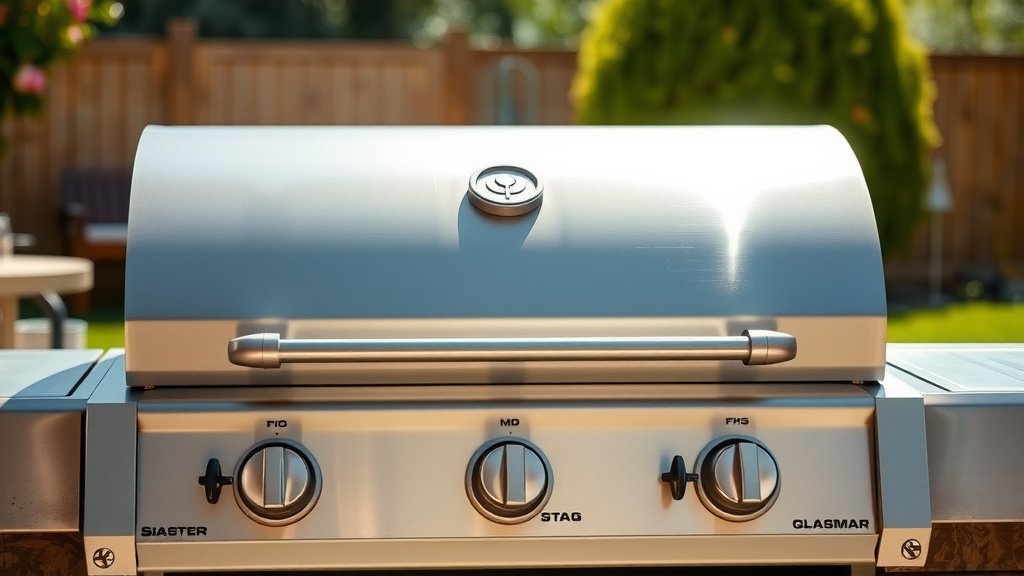
For stainless steel exteriors, use a cleaner specifically designed for stainless steel. Always wipe in the direction of the grain. This prevents scratching and keeps that shiny finish. Many experts say that consistent exterior cleaning is a simple way to protect the grill’s finish from the elements.
Checking Your Portable Grill’s Fuel System
The fuel system is the heart of your grill. It’s essential to ensure it’s working correctly and safely. This includes your propane tank and any hoses or connections. Safety is key here, so always do this with the grill turned off and disconnected from the fuel source.
Propane Tank Inspection: The Basics
First, check your propane tank itself. Make sure there are no dents, rust spots, or damage to the valve. If you see any of these issues, it’s time to replace the tank. Many local recycling centers or propane suppliers can help you with this. You also want to make sure the tank is not expired. Tanks have an expiration date stamped on them, usually every 10 years. A damaged or expired tank is a serious safety risk.
Hose and Connection Checks: Sealing the Deal
Next, inspect the hose that connects the tank to your grill. Look for any cracks, kinks, or signs of wear. A damaged hose can leak gas, which is dangerous. We found that gently bending the hose can help reveal hidden cracks. You should also check the connections where the hose attaches to the tank and the grill. Make sure they are snug and free of corrosion.
How do you check for leaks? Mix a 50/50 solution of dish soap and water. Brush this mixture onto the hose and all connections while the propane tank is turned on. If you see any small bubbles forming, that’s a sign of a leak. Turn off the propane immediately and tighten the connection or replace the faulty part. Many manufacturers recommend performing this leak test at least once a year, or whenever you reconnect a tank.
Internal Components: A Deeper Dive
Beyond the grates and exterior, there are a few other internal parts that need your attention. These components ensure your grill heats evenly and functions properly for years to come.
Burner Covers and Heat Shields
Many portable grills have burner covers or heat shields. These sit above the burners and help distribute heat evenly across the cooking surface. They also help protect the burners from grease and food debris. Over time, these can get clogged with grease or even start to rust or warp. Remove them and clean them with a brush and soapy water. If they are severely damaged or rusted through, it’s time to replace them to ensure even cooking and prevent damage to the burners.
Igniter System Check
Does your grill have an electronic igniter? These can sometimes malfunction. If you’re having trouble getting a spark, check the battery if it’s battery-powered. If it’s a piezo igniter, ensure the igniter button is clean and the electrode is not corroded. Sometimes, a small amount of carbon buildup can interfere with the spark. Gently clean the electrode with a soft brush or a cotton swab. You want to hear a nice, crisp ‘click’ when you press the button. If it’s still not working, you might need to replace the igniter module, which is a fairly common DIY fix for many grills.
Storage and Protection: Keeping It Safe
How you store your portable grill when you’re not using it makes a big difference in its lifespan. Proper storage protects it from the elements and keeps it ready for action.
Cover Up! The Importance of a Grill Cover
Using a grill cover is one of the simplest yet most effective ways to protect your portable grill. A good quality cover shields it from rain, sun, dust, and bird droppings. These elements can cause rust, fade the finish, and generally degrade the materials over time. Look for a durable, waterproof cover that fits your grill snugly. Make sure the cover is completely dry before putting it on to prevent mold or mildew.
Where to Store Your Grill
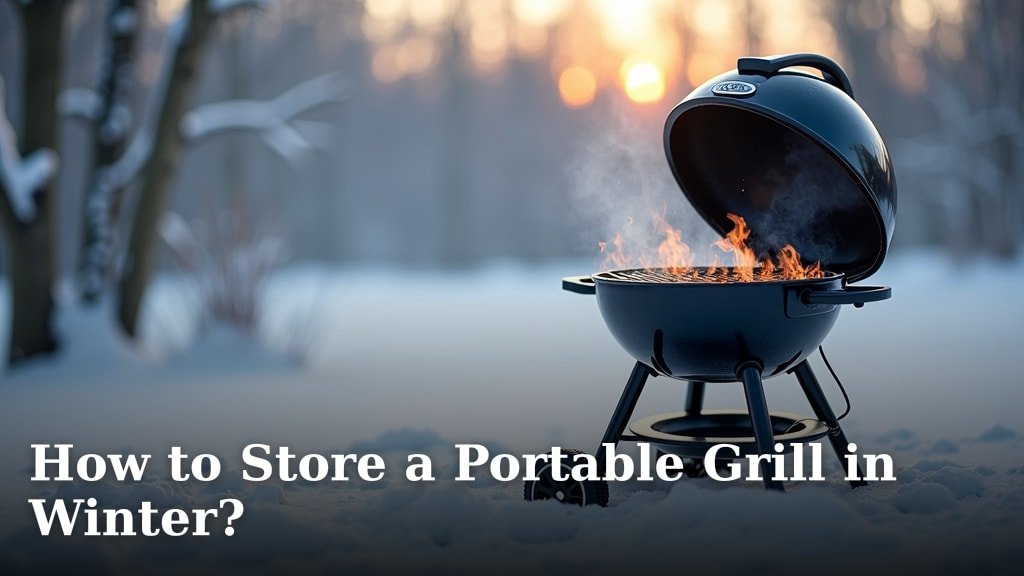
When possible, store your grill in a sheltered location. This could be a garage, a shed, or under a covered patio. If you must store it outdoors, a good cover is absolutely essential. If you’re storing it for an extended period, like over the winter, it’s a good idea to give it a thorough cleaning first. Disconnect the propane tank. Some people recommend storing the propane tank upright in a well-ventilated area away from your home. This helps prevent any potential gas leaks from accumulating.
Portable Grill Maintenance Checklist
Here’s a quick rundown to help you stay on track:
- Brush grates after each use.
- Clean drip pan every few uses.
- Wipe down exterior regularly.
- Check propane connections for leaks seasonally.
- Inspect fuel hoses for damage yearly.
- Use a protective cover when not in use.
Conclusion
You’ve learned that keeping your portable grill in prime condition is a straightforward process. Regular cleaning of your grates, drip pan, and exterior prevents messes and ensures safety. Checking your propane connections and hoses annually can catch potential leaks before they become a problem. And proper storage with a durable cover will shield your grill from the elements. By following these simple steps, you’ll enjoy perfectly cooked meals and get the most out of your portable grill for years to come.
Your next step? Grab your grill brush and give those grates a good scrub after your very next cookout. It’s the easiest way to start building good maintenance habits!
Frequently Asked Questions
How often should I deep clean my portable grill?
A deep clean, including scrubbing the burners and checking the fuel system, should ideally be done at least once a year. Many people find it helpful to do this before the start of grilling season or before storing it for the winter. This ensures all parts are clean and functioning correctly.
Can I use my regular kitchen cleaning supplies on my grill?
For most exterior cleaning, mild soap and water are fine. However, avoid harsh chemicals that could damage the grill’s finish or leave residues. For grates, a dedicated grill cleaner or a paste of baking soda and water can be effective, but always rinse thoroughly.
What’s the best way to remove stubborn rust spots?
For minor rust spots on grates or exterior surfaces, a wire brush or steel wool can often remove them. After cleaning, ensure the area is completely dry and consider applying a light coat of grill-safe oil to prevent immediate re-rusting. For severe rust, you might need to replace the affected part.
My grill’s flame is uneven or weak. What could be wrong?
This is often caused by clogged burner ports or issues with the gas flow. First, ensure your propane tank is full and the regulator is properly connected. Then, gently clean out the burner tubes with a small brush or paperclip, as food debris can easily block them. If the problem persists, the issue might be with the regulator or gas line.
Is it safe to store my portable grill indoors, like in a garage?
Yes, storing your portable grill in a garage or shed is generally safe, especially if the propane tank is disconnected. Ensure the area is dry and well-ventilated. If you store the propane tank separately, keep it upright in a secure outdoor location away from direct sunlight and heat sources.