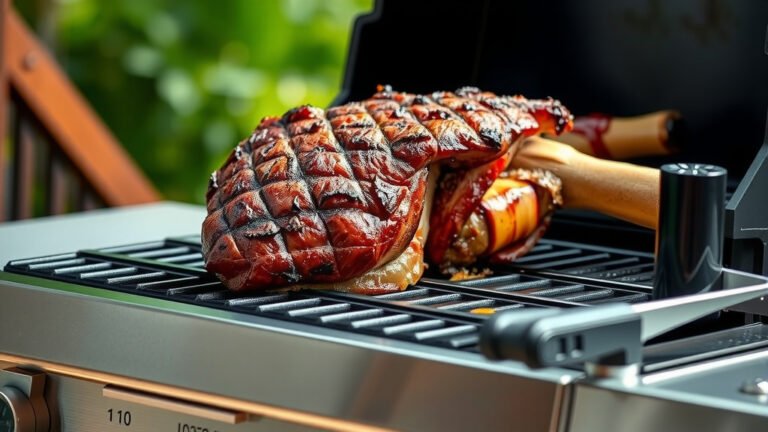
To grill T-bone steaks on a gas grill, first preheat your grill to high heat (around 450-500°F) for searing, then establish a cooler indirect heat zone.
Sear the T-bone steak for 2-3 minutes per side over direct high heat, then move it to the indirect heat zone, closing the lid, until it reaches your desired internal temperature, often around 130-135°F for medium-rare.
- Choose a thick T-bone for the best grilling experience.
- Season your steak well and let it sit out briefly before cooking.
- Set up your gas grill with both hot direct and cooler indirect zones.
- Sear the steak quickly on both sides over high heat.
- Finish cooking over indirect heat, using a meat thermometer for accuracy.
- Always allow the steak to rest for 5-10 minutes before cutting and serving.
How To Grill T Bone Steaks On Gas Grill?
Grilling a T-bone steak on a gas grill means you need a two-zone setup. You will sear it hot and fast first, then move it to a lower, indirect heat to finish cooking evenly.
This method gives you a beautiful crust and a perfectly cooked interior. We will guide you through each simple step for a great steak.
Choosing the Perfect T-Bone Steak
Picking the right T-bone is your first step to a delicious meal. Look for steaks with good marbling, which are those little flecks of fat within the muscle.
Marbling melts during cooking, keeping your steak moist and full of flavor. It is a key factor for a juicy bite.
Thickness Matters
For grilling, a T-bone steak that is at least 1 to 1.5 inches thick works best. Thicker steaks are more forgiving and easier to cook to your desired doneness.
Thin steaks cook too quickly, making it hard to get a good sear without overcooking the inside. A good thickness gives you more control.
Preparing Your Steak for the Grill
Proper preparation before grilling is vital. It helps your steak cook better and taste amazing. Skipping these steps can lead to less-than-perfect results.
A little care here makes a big difference when the steak hits the grates.
Bringing to Room Temperature
Take your T-bone out of the fridge about 30-60 minutes before you plan to grill. Letting it sit at room temperature helps it cook more evenly.
A cold steak can cook unevenly, with the outside burning before the inside reaches temperature. This simple step is often overlooked but important.
The Art of Seasoning
Season your T-bone generously with salt and fresh black pepper. You can also add garlic powder or a steak rub if you like. Many experts say a simple salt and pepper is all you need for a good steak.
Don’t be shy with the salt; a good crust needs plenty of it. Pat the steak dry before seasoning to help that crust form.
Setting Up Your Gas Grill for Success
A gas grill gives you great control over heat zones. This control is what makes grilling a T-bone so straightforward and successful.
You want one area very hot for searing and another cooler for gentle cooking. This two-zone method is very important.
Creating Direct and Indirect Heat Zones
For a two-zone setup, turn two burners to high and leave one burner off, or on low. Close the lid and let the grill preheat for 10-15 minutes.
Aim for around 450-500°F over the direct heat zone. The unlit or low burner area becomes your indirect heat zone.
The Grilling Process: Searing and Finishing
This is where the magic happens. You are building flavor and cooking your steak to perfection. It is a two-step process that needs your attention.
Do not rush these steps, as each serves a distinct purpose for a great steak.
Searing for Flavor
Place your seasoned T-bone directly over the high heat burners. Sear for 2-3 minutes per side, creating a beautiful brown crust.
Do not move the steak during this time; let that crust form. This initial sear locks in juices and builds incredible flavor.
Finishing with Indirect Heat
After searing both sides, move the steak to the indirect heat zone (the burner that is off or on low). Close the grill lid.
Continue cooking, flipping every few minutes, until it reaches your desired internal temperature. This gentle heat cooks the steak evenly without burning the outside.
Checking for Doneness: The Temperature Guide
The best way to know when your T-bone is done is to use a meat thermometer. This takes all the guesswork out of grilling.
Insert the thermometer into the thickest part of the steak, avoiding the bone. Here is a quick guide:
| Doneness Level | Internal Temperature (Pull from Grill) |
|---|---|
| Rare | 120-125°F (49-52°C) |
| Medium-Rare | 130-135°F (54-57°C) |
| Medium | 135-140°F (57-60°C) |
| Medium-Well | 140-145°F (60-63°C) |
| Well Done | 150°F+ (66°C+) |
Remember, the steak will continue to cook a few degrees after you remove it from the grill. This is called carryover cooking (USDA).
The Crucial Resting Period
Once your T-bone hits its target temperature, remove it from the grill immediately. Place it on a cutting board and tent it loosely with foil.
Let it rest for at least 5-10 minutes. This step is as important as the grilling itself.
Why Rest Your Steak?
Resting allows the juices in the steak to redistribute throughout the meat. If you cut into it too soon, those delicious juices will run out onto your board.
This leaves you with a drier, less flavorful steak. Patience here gives you a much juicier and more tender result.
Troubleshooting Common Grilling Mistakes
Even seasoned grillers can make mistakes. Knowing what to watch for helps you fix issues quickly or avoid them entirely. Think of it as a quick checklist for success.
Here are a few common grilling missteps and how to avoid them:
- Not Preheating Enough: Make sure your grill is hot enough before putting the steak on. A cold grill will not give you a good sear.
- Overcrowding the Grill: Cook steaks in batches if needed. Too many steaks will drop the grill temperature, affecting the sear.
- Flipping Too Often: Resist the urge to flip constantly. Let the steak develop a crust before turning it.
- Cutting Too Soon: Always, always rest your steak. As we discussed, this keeps it juicy.
- Guessing Doneness: Use a meat thermometer. It is the only reliable way to know your steak is cooked just right.
Conclusion
Grilling a T-bone steak on a gas grill is a rewarding experience when done right. By following these simple steps, you can achieve a steakhouse-quality meal at home.
From choosing the right cut to seasoning, setting up your grill, and understanding temperatures, each stage plays a part. Remember the two-zone cooking method and the vital resting period for the best results. Enjoy your perfectly grilled T-bone!
What is the ideal thickness for a T-bone steak for gas grilling?
The ideal thickness for a T-bone steak when gas grilling is usually between 1 to 1.5 inches. This thickness allows for a great sear on the outside without overcooking the inside, making it easier to achieve your desired doneness.
How do I know my gas grill is hot enough for searing?
You know your gas grill is hot enough for searing when it reaches about 450-500°F (232-260°C). Use the grill’s built-in thermometer or an infrared thermometer to check the grate temperature. The grill should be preheated with the lid closed for at least 10-15 minutes.
Can I use a marinade on T-bone steaks for gas grilling?
Yes, you can use a marinade on T-bone steaks. Marinating for a few hours can add extra flavor and tenderness. However, be sure to pat the steak very dry before grilling, as excess moisture can prevent a good sear and create steam.
What is carryover cooking and why is it important for steaks?
Carryover cooking is when meat continues to cook after being removed from the heat source. The internal temperature will rise a few degrees. This is important because it means you should pull your steak off the grill just *before* it reaches your target temperature, allowing it to finish cooking while resting and resulting in a perfectly done steak.
How can I prevent my steak from sticking to the grill grates?
To prevent your steak from sticking, ensure your grill grates are clean and hot. Many experts suggest lightly oiling the grates just before placing the steak on them. A quick wipe with a paper towel soaked in high-smoke-point oil (like grapeseed or canola) can do the trick.