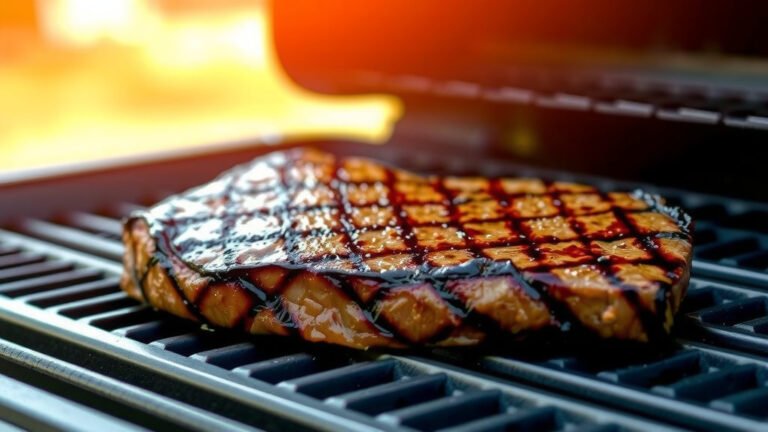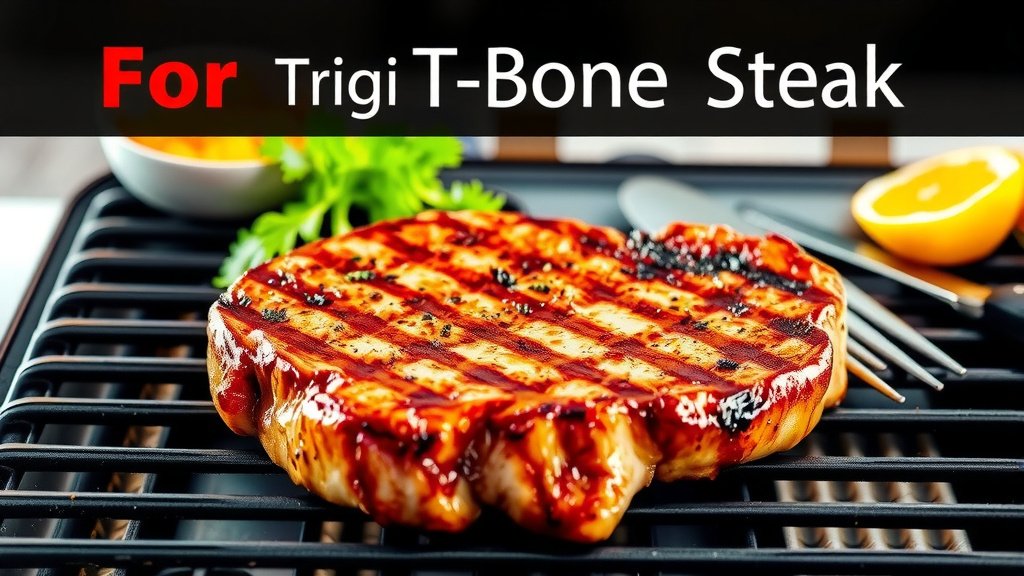
To grill a T-bone steak on a gas grill, you first create two heat zones: one high for searing and one low for finishing. Sear each side for 2-3 minutes, then move the steak to the cooler zone until it reaches your desired internal temperature, typically 130-135°F for medium-rare.
Always let your T-bone rest for 5-10 minutes after grilling to allow the juices to redistribute, ensuring a tender and flavorful result.
Here’s a quick overview of how to grill that perfect T-bone:
- Choose a thick, well-marbled T-bone for the best flavor.
- Pat your steak dry and season generously with salt and pepper.
- Set up your gas grill for two-zone cooking: high heat and low heat.
- Sear the steak over high heat for a beautiful crust, then move it to the low heat zone.
- Use a meat thermometer to check for doneness, aiming for 130-135°F for medium-rare.
- Always rest the steak after grilling; this step is key for juicy results.
How To Grill T Bone Steak On Gas Grill?
Grilling a T-bone steak on a gas grill involves precise heat management and careful timing. You will start with a hot sear and then finish with indirect heat to achieve a perfectly cooked steak.
Why T-Bone Steaks Shine on the Grill
The T-bone is truly a grill master’s friend. It gives you two amazing cuts in one: a tender filet mignon and a flavorful New York strip. The bone itself helps keep the meat juicy and adds extra flavor as it cooks (Food Network Kitchen).
The thickness of a T-bone makes it perfect for grilling. It allows you to get a great sear without overcooking the inside. This balance gives you that wonderful char on the outside and a tender, juicy center.
Picking the Perfect T-Bone Steak
Selecting a good T-bone is your first step to grilling success. Look for a steak that’s at least one inch thick, but preferably 1.5 to 2 inches. This thickness helps a lot with two-zone grilling.
You also want to find a steak with good marbling. Marbling refers to those little streaks of fat within the lean muscle. These fat pockets will melt during cooking, adding a ton of flavor and keeping the steak moist.
Prepping Your T-Bone for Grilling
A little preparation goes a long way for your steak. Don’t skip these simple steps, as they make a big difference in the final taste and texture.
Bringing Your Steak to Room Temperature
Take your T-bone out of the refrigerator about 30-45 minutes before grilling. This allows the steak to warm up slightly. A steak that’s closer to room temperature will cook more evenly throughout its thickness.
We found that grilling a cold steak can lead to an overcooked exterior and a cold, undercooked center. Letting it warm up helps avoid this problem.
The Importance of Patting Dry
Before seasoning, gently pat your T-bone completely dry with paper towels. Removing surface moisture is a crucial step. A dry surface helps achieve that beautiful, crispy sear we all love (Serious Eats).
Excess moisture on the surface of the steak can steam the meat instead of searing it. Steaming prevents the delicious browning and crust development.
Seasoning Your T-Bone
Keep your seasoning simple for a T-bone. Good quality steak doesn’t need much to taste amazing. Coarse salt and freshly ground black pepper are often all you need.
Apply a generous amount to both sides and the edges of the steak. Some experts suggest seasoning just before grilling, while others prefer seasoning 15-20 minutes beforehand. Experiment to see what you prefer.
Setting Up Your Gas Grill for Success
The key to grilling a T-bone perfectly on a gas grill is creating two heat zones. This setup gives you control over the cooking process.
Creating Two-Zone Heat
For a two-zone setup, turn one or two burners on your grill to high heat. Leave the other burners off. This creates a hot zone for searing and a cooler zone for indirect cooking.
Preheat your grill with the lid closed for 10-15 minutes until the hot zone reaches about 500-550°F. A hot grill grate prevents sticking and ensures a fantastic sear.
Grilling Your T-Bone Steak: Step-by-Step
Now that your grill is ready and your steak is prepped, it’s time for the main event. Follow these steps for a perfectly cooked T-bone.
- **Sear First:** Place your T-bone directly over the high-heat burners. Close the lid and sear for 2-3 minutes per side. You’re looking for a deep brown crust.
- **Move to Indirect Heat:** After searing, move the steak to the cooler, unlit side of the grill. Close the lid to allow the steak to cook through evenly.
- **Monitor Temperature:** Insert a meat thermometer into the thickest part of the New York strip side, avoiding the bone. Cook until it reaches your desired internal temperature.
- **Flip Occasionally:** Flip the steak once or twice while it’s on the indirect heat to promote even cooking.
- **Don’t Overcook:** The T-bone has two different cuts. The filet side will cook faster than the strip. Position the filet side towards the cooler part of the indirect zone if you notice it cooking too quickly.
Understanding Steak Doneness Temperatures
Using a meat thermometer is the most reliable way to ensure your steak is cooked just right. Here’s a general guide:
| Doneness Level | Target Internal Temperature (Remove from Grill) | Resting Temperature |
|---|---|---|
| Rare | 120-125°F | 125-130°F |
| Medium-Rare | 130-135°F | 135-140°F |
| Medium | 135-140°F | 140-145°F |
| Medium-Well | 140-145°F | 145-150°F |
| Well-Done | 150°F+ | 155°F+ |
Remember, the steak’s temperature will rise a few degrees after you remove it from the grill due to carryover cooking. This is why you pull it off slightly *before* your final desired temperature.
The All-Important Resting Period
Once your T-bone reaches your target temperature, take it off the grill immediately. Place it on a cutting board and tent it loosely with aluminum foil. Let it rest for at least 5-10 minutes.
This resting period is not optional; it’s vital. During cooking, the juices in the meat are pushed to the center. Resting allows these juices to redistribute throughout the steak. This ensures every bite is incredibly juicy and tender (USDA).
Quick Grilling Checklist
Before you dive in, here’s a handy checklist to keep things smooth:
- Is your steak at room temperature?
- Did you pat it completely dry?
- Is it generously seasoned?
- Are your grill grates clean?
- Is the two-zone heat set up correctly?
- Do you have your meat thermometer ready?
- Is there a clean cutting board ready for resting?
Conclusion
Grilling a T-bone steak on a gas grill is a rewarding experience that yields incredible flavor. By mastering the two-zone heat method, paying attention to internal temperatures, and always allowing for a rest, you will achieve a perfectly cooked steak every time. Enjoy the process and the delicious results.
How do I prevent my T-bone steak from burning on a gas grill?
Prevent burning by using a two-zone heating method. Sear the steak over high heat for a short time to get a crust, then move it to the cooler, indirect heat zone to finish cooking. This prevents the outside from charring while the inside cooks.
What’s the best thickness for a T-bone steak to grill?
A T-bone steak that is 1.5 to 2 inches thick is ideal for grilling. This thickness provides enough mass to develop a good sear without overcooking the interior, making it easier to manage on the grill.
Should I oil the steak or the grill grates when grilling a T-bone?
Many experts recommend oiling the grill grates, not the steak, to prevent sticking. Apply a high-smoke-point oil to a paper towel and carefully rub it onto the hot grates just before placing the steak down.
How long should a 1.5-inch T-bone steak cook for medium-rare?
For a 1.5-inch T-bone aiming for medium-rare, you might sear for 2-3 minutes per side over high heat, then move to indirect heat for another 6-10 minutes. Always rely on a meat thermometer to reach 130-135°F, as grill temperatures can vary.
Can I add wood chips to my gas grill for a smoky flavor with T-bone?
Yes, you can add smoky flavor. Place dry wood chips (like hickory or oak) in a foil packet with holes or a smoker box. Put this over one of the lit burners on your gas grill. Once it starts smoking, move it to the indirect side with your steak.