To grill steaks on a propane grill, preheat your grill to high, aim for a two-zone setup with direct and indirect heat, then sear the steak for 2-3 minutes per side before moving it to indirect heat to finish cooking to your desired doneness.
Always use a meat thermometer to ensure your steak reaches a safe internal temperature and rests properly after grilling to lock in the juices and flavor.
Here is a quick overview of how to grill steaks on a propane grill:
- Choose a steak that is 1-1.5 inches thick for best results.
- Pat your steak dry and season generously before grilling.
- Preheat your propane grill to create both a high-heat searing zone and a moderate-heat finishing zone.
- Sear the steak on high heat, then move it to the cooler zone to cook through.
- Always rest your steak for at least 5-10 minutes after grilling to let the juices redistribute.
How To Grill Steaks On Propane Grill?
Grilling steaks on a propane grill involves precise heat management, proper preparation, and understanding when your steak is perfectly cooked. You can achieve restaurant-quality results right in your backyard.
Choosing Your Steak: The Foundation of Flavor
Starting with the right steak makes all the difference. You want a cut that stands up well to high heat and offers good marbling for flavor and tenderness.
Many grilling enthusiasts find that a thickness of 1 to 1.5 inches works best on a propane grill. Thicker cuts offer a better buffer against overcooking, allowing for a good crust without drying out the inside.
Essential Steak Cuts for Grilling
Different cuts bring different textures and flavors to your plate. Here is a quick guide to some popular choices:
| Steak Cut | Characteristics | Grilling Tip |
|---|---|---|
| Ribeye | Rich marbling, very flavorful, tender | Great for high-heat searing. |
| New York Strip | Good balance of tenderness and chew, nice fat cap | Trim the fat cap slightly or score it. |
| Sirloin | Leaner, beefy flavor, good value | Avoid overcooking to maintain tenderness. |
| Filet Mignon | Extremely tender, mild flavor, very lean | Careful with doneness, often needs thicker cut. |
We found that selecting a steak with visible white streaks of fat, known as marbling, truly elevates the taste.
Prepping Your Steak: Beyond Just Salt and Pepper
Proper preparation before the grill ensures an even cook and a delicious crust. It is more than just seasoning; it is about setting the stage.
Why Room Temperature Matters
Bringing your steak to room temperature before grilling helps it cook more evenly. Research shows that a cold steak placed directly on a hot grill can cook unevenly, leaving the outside overdone and the inside undercooked.
Take your steak out of the refrigerator about 30-60 minutes before you plan to grill. Pat it completely dry with paper towels; this is a simple step, but it helps achieve that beautiful crust.
The Perfect Seasoning Blend
For most steaks, a generous application of coarse salt and freshly ground black pepper is all you need. Don’t be shy here; much of it will fall off during cooking.
Some people enjoy adding garlic powder, onion powder, or a touch of cayenne pepper for extra flavor. We found that simple seasoning lets the steak’s natural flavors shine through best.
Mastering Your Propane Grill: Heat Zones are Key
A propane grill gives you excellent control over temperature. Using different heat zones is how you achieve that perfect sear and a juicy interior.
Setting Up a Two-Zone Grill
A two-zone setup is crucial for grilling steaks. It lets you sear on high heat and then finish cooking on lower, indirect heat. Here’s how you set it up:
- Turn one or two burners to high heat.
- Leave one burner off or set to low.
- Close the lid and preheat the grill for 10-15 minutes until it reaches 450-500°F.
- The hot side is for searing, the cooler side for finishing.
Many culinary experts say this method prevents charring while still allowing the steak to reach its ideal internal temperature (USDA).
Grilling Techniques: Sear, Flip, and Finish
This is where the magic happens. A good sear creates flavor, and a careful finish ensures perfect doneness.
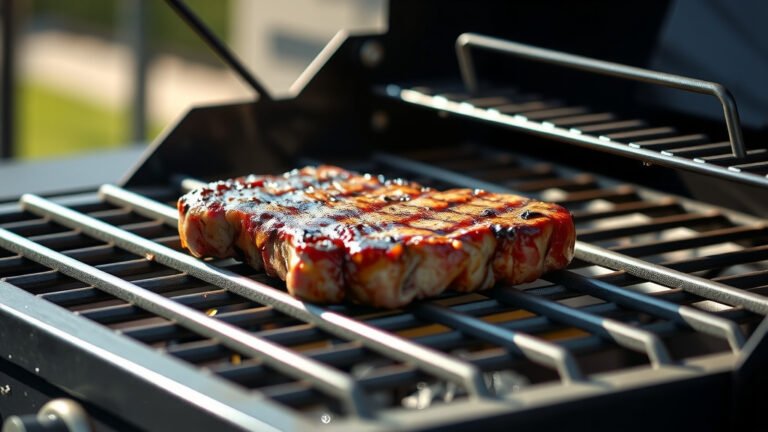
Place your seasoned, room-temperature steak directly over the high-heat zone. Sear for 2-3 minutes per side. You are looking for a deep brown crust.
After searing, move the steak to the cooler, indirect heat zone. Close the lid and let it continue to cook. This gentle heat allows the inside to warm up without burning the outside.
Flip the steak once halfway through its time on indirect heat. How long it stays here depends on its thickness and your desired doneness. Many grilling guides suggest using a meat thermometer for accuracy.
How to Check for Doneness (Without Cutting!)
Using a good instant-read meat thermometer is the most reliable way to check doneness. Insert it into the thickest part of the steak, avoiding any bones.
- Rare: 125-130°F (52-54°C)
- Medium-Rare: 130-135°F (54-57°C)
- Medium: 135-140°F (57-60°C)
- Medium-Well: 140-150°F (60-66°C)
- Well-Done: 150-160°F (66-71°C)
Remember, the steak’s temperature will rise a few degrees as it rests, so pull it off the grill slightly before your target temperature.
Resting Your Steak: The Non-Negotiable Step
You’ve worked hard for that perfectly grilled steak, and this final step is just as important as the grilling itself. Don’t skip it!
Why Resting is a Game-Changer
Once your steak reaches its desired temperature, transfer it to a cutting board and tent it loosely with foil. Let it rest for 5-10 minutes, depending on thickness.
We found that resting allows the juices, which have been driven to the center by the heat, to redistribute throughout the meat. Cutting too soon will cause those delicious juices to spill out onto the board, leaving you with a drier steak.
Conclusion
Grilling a perfect steak on your propane grill is a rewarding experience. By choosing the right cut, prepping it well, mastering your grill’s heat zones, and allowing the steak to rest, you can consistently achieve mouth-watering results. Remember, practice makes perfect, so don’t hesitate to fire up that grill and experiment with different steaks and techniques. Happy grilling!
Can I use a marinade for propane-grilled steaks?
Yes, you absolutely can use a marinade for your steaks. A good marinade adds flavor and can help tenderize tougher cuts. Just be sure to pat the steak very dry after marinating to get a good sear, as excess moisture will steam instead of brown.
What is the best way to clean my propane grill after cooking steaks?
The best way to clean your propane grill after cooking is to brush the grates while they are still warm with a sturdy wire brush. This helps remove any stuck-on food particles easily. For a deeper clean, you can also wash the grates with soapy water once they are cool.
How do I prevent flare-ups when grilling steaks on a propane grill?
To prevent flare-ups, trim excess fat from your steak before grilling. Also, move your steak to the indirect heat zone if a flare-up occurs on the direct heat side. Keeping your grill grates clean also helps reduce grease buildup that can cause flare-ups.
Should I oil my steak or the grill grates before cooking?
Many chefs recommend oiling the grill grates, not the steak, to prevent sticking. Lightly oil a paper towel, hold it with tongs, and wipe it over the clean, preheated grates. This creates a non-stick surface without affecting the steak’s sear.
What internal temperature is considered safe for steak?
For whole cuts of beef like steak, the USDA recommends a minimum internal temperature of 145°F (63°C) for medium-rare, followed by a 3-minute rest. However, many people prefer their steak cooked to lower temperatures for taste, such as 130-135°F for medium-rare, which is often considered safe for quality cuts.