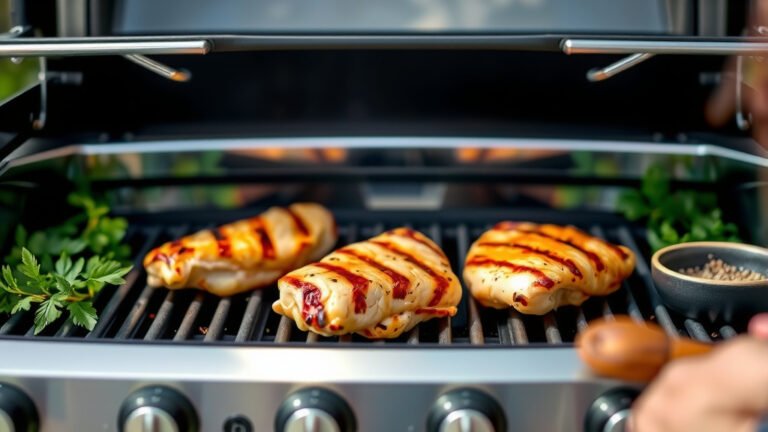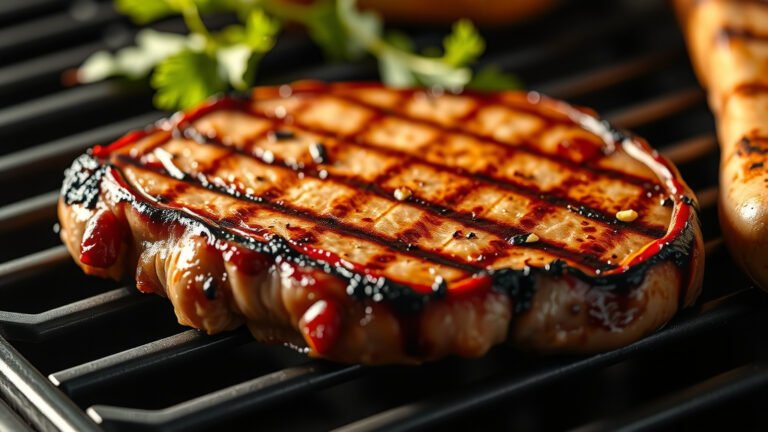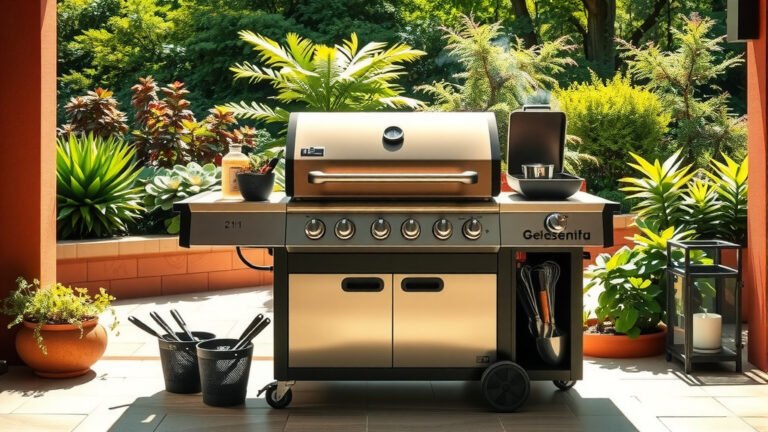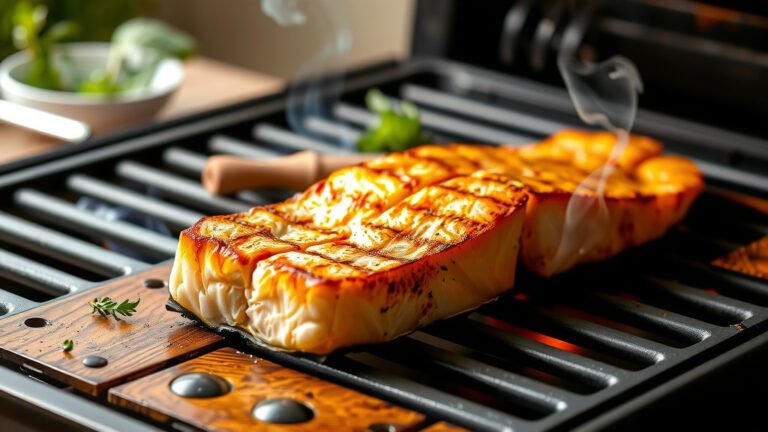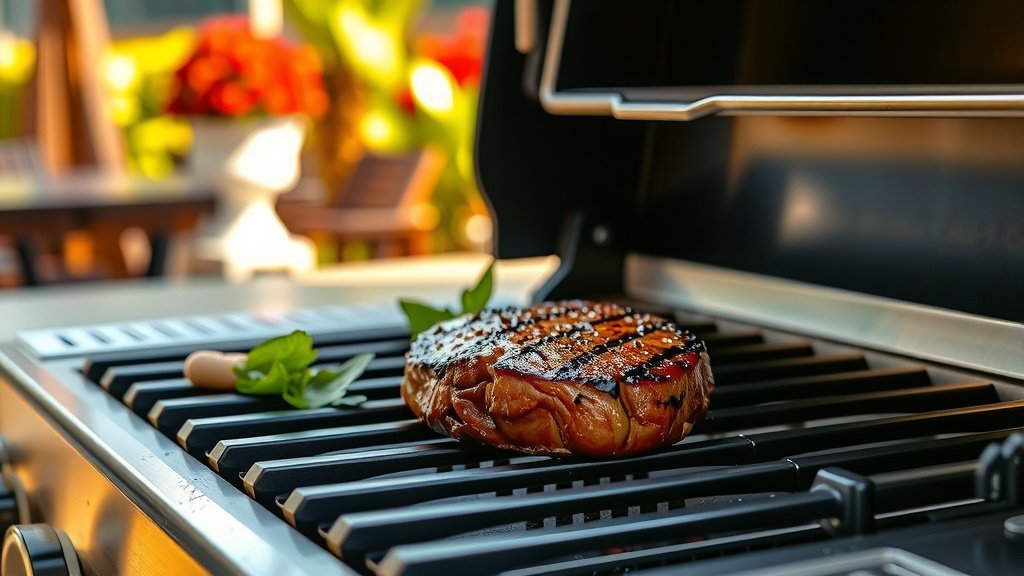
To grill rib eye steaks on a gas grill, preheat your grill to high, then sear the steak over direct heat for 2-3 minutes per side to create a flavorful crust.
After searing, move the rib eye to indirect heat, closing the lid and cooking until it reaches your desired internal temperature, typically 125-130°F for medium-rare (USDA recommends 145°F for beef safety).
Here’s the fast track to grilling a perfect rib eye on your gas grill:
- Get a good quality, thick rib eye steak.
- Season it well with salt and pepper, let it sit out for 30 minutes.
- Preheat your gas grill for 10-15 minutes on high heat.
- Sear the steak over direct heat, then move it to indirect heat.
- Use a meat thermometer to check for doneness.
- Always let your steak rest before slicing.
How To Grill Rib Eye Steaks On A Gas Grill?
Grilling rib eye steaks on a gas grill means you get amazing flavor and a perfect char. It is all about managing your heat zones and having patience.
Why Rib Eye is Your Grilling Champion
The rib eye steak is a fantastic cut for grilling. It has a beautiful marbling of fat throughout, which melts as it cooks. This melting fat infuses the meat with incredible flavor and keeps it juicy, making it very forgiving.
Choosing the Right Rib Eye Steak
Finding a good steak is the first step to success. Look for a rib eye that is at least 1 to 1.5 inches thick. This thickness helps prevent overcooking and gives you that perfect balance of sear and tenderness. Good marbling, those little streaks of fat, is key.
Thickness Matters for a Great Steak
A thinner steak cooks too fast, making it hard to get a good crust without overcooking the inside. We found that thicker cuts allow you to achieve a beautiful sear and a juicy, medium-rare center much easier. You have more control over the cooking process.
Your Essential Grilling Toolkit
You don’t need a fancy setup, but some basic tools make a big difference. A good pair of tongs, a reliable meat thermometer, and a grill brush are must-haves. These items help you manage your steak safely and effectively.
- Long-handled tongs: For turning your steak without burning yourself.
- Instant-read meat thermometer: This is your best friend for perfect doneness.
- Grill brush: For cleaning your grates before and after grilling.
- Cutting board with a juice groove: To catch those delicious juices during resting.
- Aluminum foil: For loosely tenting your steak during the rest period.
Prepping Your Rib Eye for the Grill
Preparation might seem simple, but it is vital for flavor and even cooking. Taking a few extra minutes here pays off in a big way. Don’t skip these steps.
To Rinse or Not to Rinse?
Many culinary experts agree that you should not rinse raw steak. Rinsing can spread bacteria around your sink and kitchen. Instead, pat your steak very dry with paper towels. A dry surface helps achieve a better sear.
Seasoning Secrets for Maximum Flavor
Keep it simple with your seasoning for a rib eye. Coarse kosher salt and freshly ground black pepper are often all you need. Apply them generously on both sides of the steak. Some people like to add a touch of garlic powder or onion powder too.
The Room Temperature Debate
Should you bring your steak to room temperature before grilling? Many grill masters say yes, suggesting 30 minutes to an hour on the counter. This practice can help the steak cook more evenly, especially for thicker cuts. However, food safety guidelines remind us not to leave meat out for too long (USDA).
Mastering Your Gas Grill Setup
The secret to a perfectly grilled rib eye on a gas grill is creating different heat zones. This setup allows you to sear the steak intensely and then cook it gently.
The Two-Zone Grilling Method
With a gas grill, set one side to high heat and the other side to low or medium-low heat, or even turn some burners completely off. This creates a “direct heat” zone for searing and an “indirect heat” zone for finishing. This method gives you control over the cooking process.
Preheating Your Grill Properly
Always preheat your gas grill with the lid closed for at least 10 to 15 minutes. You want the grates to be screaming hot for that initial sear. This ensures a beautiful crust develops quickly, locking in the juices. A hot grill also helps prevent sticking.
The Grilling Process: Step-by-Step
Now, let’s get to the fun part. Grilling your rib eye is a dance between high heat and patience. Don’t rush it.
The Searing Phase: Crust is King
Place your seasoned rib eye directly over the high heat zone. Close the lid for about 2-3 minutes, then flip it. Sear the other side for another 2-3 minutes. This initial burst of heat creates a delicious, caramelized crust. This is where most of your flavor builds.
Moving to Indirect Heat
After searing both sides, move the steak to the indirect heat zone. Close the grill lid. This allows the steak to cook through gently without burning the exterior. You are aiming for even cooking now. This part is like an oven, but with smoky flavor.
Monitoring Doneness with a Thermometer
This is where your instant-read thermometer becomes invaluable. Insert the thermometer into the thickest part of the steak, avoiding bone. Many chefs agree that visual cues can be misleading. Trust the thermometer for accuracy. We found that cooking to temperature ensures consistent results every time.
| Doneness Level | Internal Temperature |
|---|---|
| Rare | 120-125°F (49-52°C) |
| Medium-Rare | 125-130°F (52-54°C) |
| Medium | 130-135°F (54-57°C) |
| Medium-Well | 135-140°F (57-60°C) |
| Well-Done | 140°F+ (60°C+) |
Note: The USDA recommends a minimum internal temperature of 145°F for whole cuts of beef for food safety reasons, followed by a three-minute rest. Personal preferences for lower temperatures are common but carry a higher risk.
The All-Important Rest
Once your steak reaches your target temperature (or a few degrees below, as it will continue to cook), remove it from the grill. Place it on a cutting board and tent it loosely with aluminum foil. Let it rest for 5-10 minutes. This resting period allows the juices to redistribute throughout the meat, making it incredibly tender and moist. Cutting too soon will result in dry steak.
Serving Your Perfect Rib Eye
After resting, slice your rib eye against the grain. This technique helps break up the muscle fibers, making each bite more tender. Serve it immediately with your favorite sides. A little melted butter or fresh herbs can enhance the flavor even more. Enjoy your masterpiece.
Troubleshooting Common Grilling Issues
Even seasoned grillers face challenges. Here are quick fixes for common rib eye grilling problems:
- Steak sticking to the grates: Make sure your grill is very hot and clean.
- Uneven cooking: Use the two-zone method correctly and rotate the steak if needed.
- Steak is dry: You might be overcooking it; always use a thermometer. Also, don’t forget the resting step.
- No good crust: Ensure your grill grates are hot enough for searing.
- Flare-ups: Move the steak away from the flames to the indirect zone.
Conclusion
Grilling a rib eye steak on a gas grill is a rewarding experience when you know the steps. From choosing the right cut to mastering your grill’s heat, each detail contributes to a fantastic meal. Remember to prep your steak well, use a thermometer for perfect doneness, and always let it rest. With these practical tips, you are ready to impress yourself and your guests with a perfectly grilled rib eye.
Frequently Asked Questions About Grilling Rib Eye Steaks
How do I prevent my rib eye from getting tough on the grill?
To keep your rib eye tender, avoid overcooking it by using an instant-read thermometer to hit your target doneness precisely. Also, always let the steak rest for 5-10 minutes after grilling, which allows the juices to settle and keeps the meat moist and tender.
Can I grill a frozen rib eye steak?
While technically possible to grill a frozen steak, it is not recommended for a rib eye. Grilling from frozen makes it very difficult to achieve a good sear without overcooking the inside, or to cook it evenly. Always thaw your steak completely in the refrigerator before grilling for best results.
What is the best way to clean my gas grill after cooking rib eye?
The best way to clean your gas grill is immediately after cooking while it is still warm. Use a sturdy grill brush to scrape off any food residue from the grates. For a deeper clean, you can use warm soapy water on cooled grates, rinse them, and then dry thoroughly to prevent rust.
How long should I marinate a rib eye steak?
For a rich, flavorful cut like rib eye, a simple seasoning of salt and pepper is often sufficient, so marinating is optional. If you do choose to marinate, aim for a minimum of 30 minutes up to 2 hours. Acidic marinades should be used sparingly as they can start to break down the meat’s texture if left too long.
Should I oil the rib eye steak or the grill grates before cooking?
It is generally better to oil the steak itself, rather than the grates, especially with gas grills. Lightly coat your rib eye with a high smoke point oil (like grapeseed or avocado oil) before seasoning. This helps prevent sticking and promotes a better sear without causing excessive smoke or flare-ups on the grill grates.