To grill chicken thighs on a gas grill, preheat your grill to medium-high for direct heat, then reduce to medium-low for indirect cooking. Cook them until the internal temperature reaches 175°F for juicy, flavorful results.
You want a crispy skin and tender, moist meat, achieved by a two-zone grilling method that balances searing and slower cooking on your gas grill.
Here’s a quick overview of what you’ll learn:
- Getting your chicken thighs ready for the grill.
- Setting up your gas grill for perfect cooking.
- The step-by-step process for grilling amazing chicken thighs.
- Knowing exactly when your chicken is done and safe to eat.
- Expert tips to make your grilled chicken thighs even better.
How To Grill Chicken Thighs On Gas Grill?
Grilling chicken thighs on a gas grill means using both direct and indirect heat zones to achieve a beautiful char and thorough cooking. You will start with high heat to sear the skin, then move the thighs to a cooler zone.
Why Choose Chicken Thighs?
Chicken thighs are a real winner for grilling. They have a higher fat content than breasts, which keeps them moist and flavorful. You’ll find them forgiving, resisting dryness even if you cook them a little longer.
Selecting Your Chicken Thighs
When you’re at the store, look for bone-in, skin-on chicken thighs. The bone helps them cook more evenly, and the skin gets wonderfully crispy. Many experts say to choose thighs that are similar in size for consistent cooking (USDA).
Bone-In vs. Boneless Thighs
Bone-in thighs offer more flavor and stay juicier. Boneless thighs cook faster, but you must watch them closely to avoid drying out. For this guide, we’ll focus on bone-in, skin-on thighs for the best experience.
Prepping Your Chicken Thighs
A little prep goes a long way to ensure amazing grilled chicken. This includes patting them dry and seasoning them well. Proper seasoning makes a big difference in taste.
Patting Them Dry
Always pat your chicken thighs completely dry with paper towels. This step is crucial for crispy skin. Excess moisture will steam the chicken instead of searing it, preventing that golden crust.
Seasoning for Flavor
What’s your favorite flavor profile? A simple mix of salt, black pepper, garlic powder, and paprika works wonders. You could also try a rub with brown sugar for a sweet and savory kick.
- Remove chicken from packaging.
- Rinse under cold water, if desired (many experts say this is not necessary and can spread bacteria).
- Pat dry thoroughly with paper towels.
- Trim any large, loose pieces of fat, but leave most of the skin.
- Apply your chosen rub or seasoning generously.
- Allow to sit for 15-30 minutes at room temperature, or refrigerate for longer (up to a few hours) to let flavors meld.
Setting Up Your Gas Grill for Success
This is where the magic of a gas grill shines. You can easily create different heat zones. This two-zone grilling method is key for perfectly cooked chicken thighs.
Preheating Your Grill
Turn two burners to medium-high heat and leave one or more off, depending on your grill size. Close the lid and let your grill preheat for 10-15 minutes. You want to see the thermometer hit around 400-450°F.
Creating Two Heat Zones
After preheating, turn one of the lit burners down to medium-low. This creates a hot zone for searing and a cooler, indirect zone for slower cooking. This setup prevents burning while ensuring the chicken cooks through.
| Grill Zone | Burner Setting | Purpose | Temperature (Approx.) |
|---|---|---|---|
| Direct Heat Zone | Medium-High | Searing, Crispy Skin | 400-450°F |
| Indirect Heat Zone | Medium-Low or Off | Slow Cooking, Finishing | 300-350°F |
Grilling Chicken Thighs Step-by-Step
You’re ready to grill! Keep an eye on your chicken and resist the urge to flip it constantly. Patience brings better results and crispier skin.
Searing the Skin
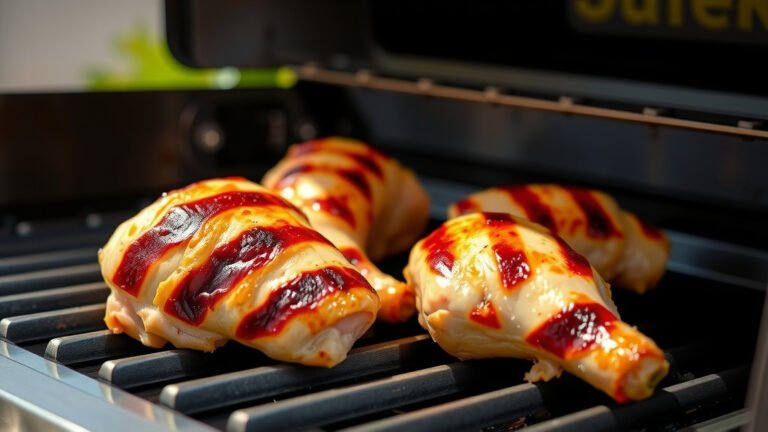
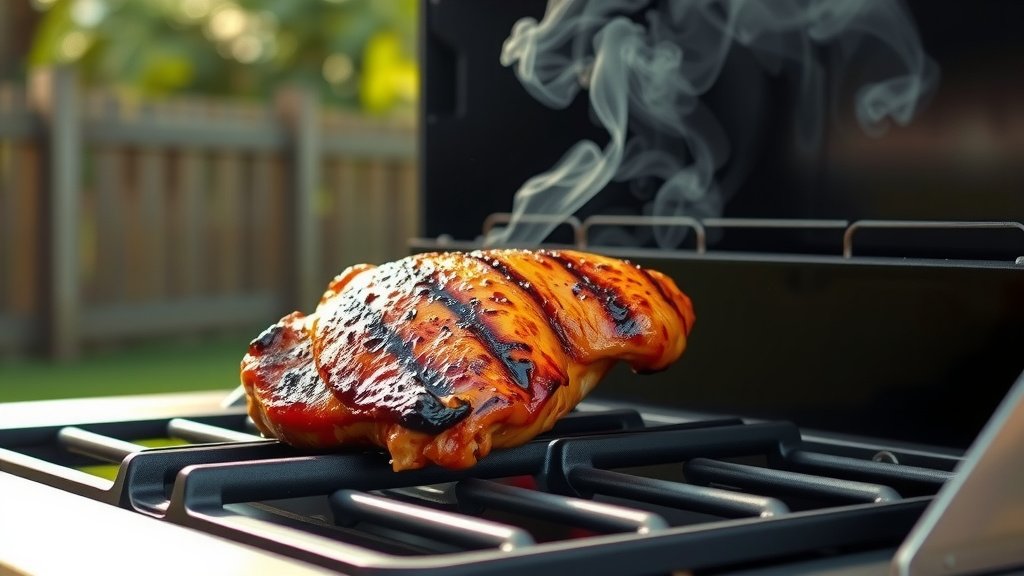
Place the chicken thighs skin-side down over the direct, medium-high heat. Close the lid. Let them sear for about 5-7 minutes. You’re looking for golden-brown, crispy skin with some char marks.
Moving to Indirect Heat
Once the skin is beautifully seared, flip the thighs and move them to the indirect heat zone. Close the lid again. This is where the chicken will finish cooking gently, becoming tender and juicy.
Monitoring Temperature and Flipping
Cook on indirect heat for another 20-25 minutes, flipping occasionally. Use your instant-read thermometer to check the internal temperature. Aim for 175°F in the thickest part of the thigh, away from the bone.
Knowing When Your Chicken Thighs Are Done
An instant-read thermometer is your best friend here. Don’t guess. Visual cues can be misleading; temperature is always king for food safety (FDA).
Reaching the Right Internal Temperature
Chicken thighs are safely cooked when they reach an internal temperature of 175°F (80°C). Some research suggests chicken thighs are even better when cooked to 180-185°F. This allows the connective tissues to break down, making them incredibly tender (Cook’s Illustrated).
Resting Your Chicken
Once the chicken hits the target temperature, remove it from the grill. Let the thighs rest on a cutting board for 5-10 minutes. This resting period allows the juices to redistribute, ensuring your chicken is as moist as possible.
Tips for Perfect Grilled Chicken Thighs
Even seasoned grillers pick up new tricks. These small adjustments can make a big difference. You’ll soon be known for your amazing grilled chicken.
The Power of Brining
For an extra juicy thigh, consider a quick brine. A simple saltwater solution can help the chicken retain moisture during cooking. We found that a 30-minute brine works wonders.
Don’t Crowd the Grill
Give your chicken space on the grill. Overcrowding lowers the grill temperature and prevents proper searing. Cook in batches if you must, to ensure even heat distribution.
Clean Grill Grates
Always start with clean grill grates. Food sticks less, and you avoid transferring old flavors to your fresh chicken. A clean grill means a better grilling experience for you.
Marinades and Sauces
If you use a marinade, ensure it has some sugar. Sugars caramelize beautifully on the grill. Apply sugary sauces in the last 10-15 minutes of cooking to prevent burning.
Here’s a quick checklist to help you get ready:
- Check your gas tank level.
- Clean grill grates before preheating.
- Have an instant-read thermometer ready.
- Ensure your chicken is seasoned and dry.
- Have tongs and a plate ready for cooked chicken.
Troubleshooting Common Grilling Issues
Even the best plans can hit a snag. But don’t worry, most grilling issues have simple solutions. You can handle any challenge with confidence.
Chicken Sticking to the Grates
If your chicken is sticking, your grates might not be clean enough, or the grill wasn’t hot enough initially. Ensure your grates are hot and lightly oiled. Preheating helps a lot.
Skin Not Crispy Enough
Did you pat the chicken dry? Was your direct heat high enough? These are common culprits. Make sure you allow enough time for searing. Some research suggests you can re-sear for a minute or two at the end if needed for extra crispness.
Conclusion
Grilling chicken thighs on your gas grill is a straightforward path to incredibly flavorful and juicy meals. By following these steps – from proper prep to managing your grill’s heat zones and checking the internal temperature – you’ll create perfect results every time. Remember to pat those thighs dry, season well, and don’t rush the process. Enjoy the satisfaction of serving up delicious, expertly grilled chicken!
Can I use boneless chicken thighs for this method?
Yes, you absolutely can use boneless chicken thighs. They will cook faster, typically around 15-20 minutes total, so you’ll need to monitor their internal temperature more frequently to prevent them from drying out.
How do I prevent flare-ups on a gas grill?
To prevent flare-ups, trim excess fat from the chicken thighs before grilling. Also, ensure your grill grates are clean. If a flare-up occurs, move the chicken away from the direct flame to the indirect zone until it subsides.
What is the best way to clean grill grates after cooking?
The best time to clean your grill grates is immediately after you finish cooking while they are still hot. Use a sturdy grill brush to scrape off any stuck-on food and grease. A quick wipe with a paper towel can also help.
Should I marinate chicken thighs before grilling?
Marinating chicken thighs is a fantastic way to add flavor and moisture. You can marinate them for as little as 30 minutes or up to 4 hours in the refrigerator. Just be sure to pat them dry again before grilling to ensure crispy skin.
What internal temperature is ideal for chicken thighs?
The ideal internal temperature for chicken thighs is 175°F (80°C). While chicken breast is safe at 165°F, thighs benefit from a slightly higher temperature, usually 175-185°F, for optimal tenderness and flavor, as it allows the connective tissues to break down.