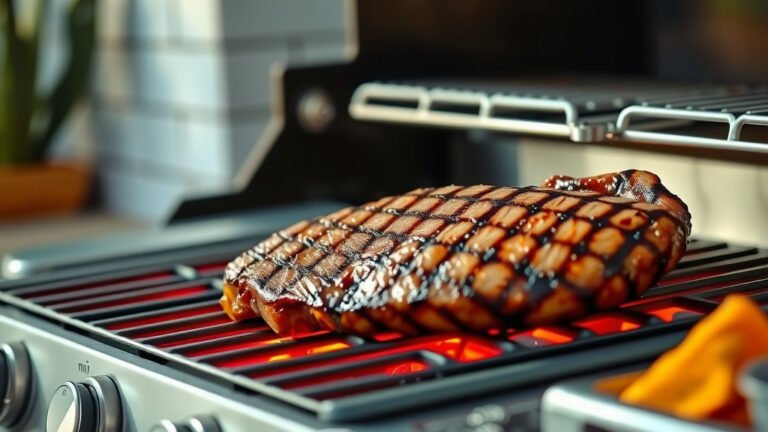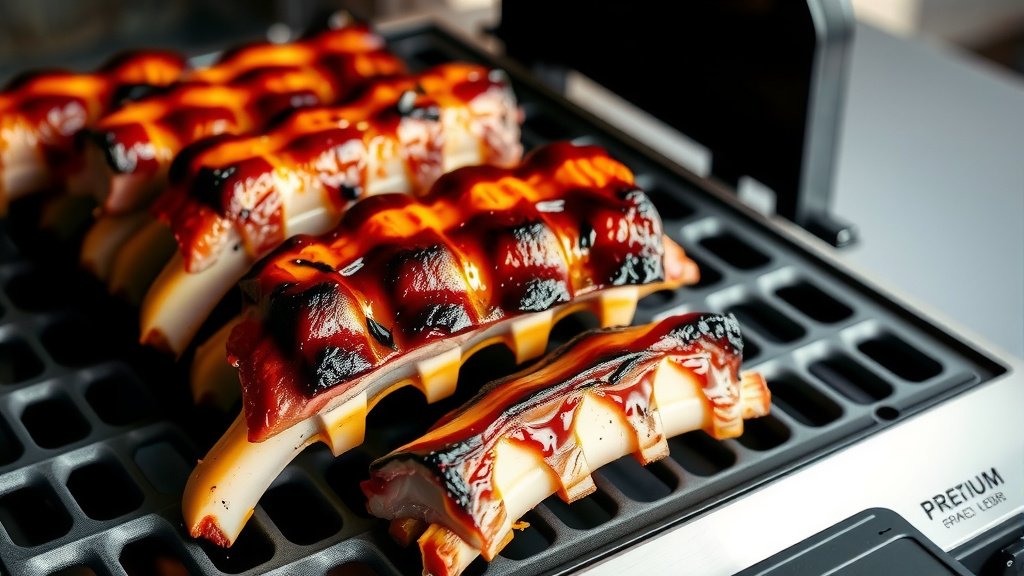
To grill boneless pork ribs on a gas grill, preheat your grill to medium-low (about 300°F or 150°C) using indirect heat. Place the seasoned ribs on the cooler side of the grill and cook them slowly for 1.5 to 2 hours, or until they reach an internal temperature of 145°F (63°C), flipping occasionally.
For tender and juicy boneless pork ribs, use a two-zone grilling method, starting them low and slow on indirect heat before a quick sear over direct heat for a flavorful crust. This technique helps keep the meat moist while developing delicious caramelization.
Here’s a quick look at how to get those amazing boneless pork ribs on your gas grill:
- Set up your gas grill for two-zone cooking: one hot side, one cool side.
- Season your ribs generously, maybe with a dry rub for extra flavor.
- Start cooking the ribs on the cooler side of the grill for tenderness.
- Finish them over direct heat for a short time to get a nice, crispy exterior.
- Always check the internal temperature to ensure they’re perfectly cooked and safe.
How To Grill Boneless Pork Ribs On Gas Grill?
Grilling boneless pork ribs on a gas grill is easier than you might think, delivering a delicious meal with less fuss. The secret lies in managing your grill’s temperature effectively, creating that perfect balance of tenderness and a slightly crispy exterior.
Understanding Boneless Pork Ribs
Boneless pork ribs aren’t technically ribs at all. They are usually cut from the pork loin or pork shoulder, often called country-style ribs. This cut means they are meaty and forgiving, making them a fantastic choice for grilling.
Many home cooks appreciate their uniform size and lack of bones. This makes them easier to eat and simpler to prepare, especially when you’re looking for a weeknight grill meal. Their versatility also means they absorb marinades and rubs wonderfully.
Gathering Your Supplies
Before you light that grill, it helps to have everything ready. You will need your boneless pork ribs, your chosen seasoning or marinade, and some basic grilling tools. Think tongs, a meat thermometer, and a basting brush if you plan to use sauce.
Having everything within reach makes the grilling process smooth and enjoyable. It also prevents those frantic dashes back into the kitchen while your ribs are sizzling. A clean grill brush is also a must for proper grill maintenance.
Preparing Your Boneless Ribs
The first step to amazing ribs is preparation. You can choose a simple salt and pepper seasoning, a store-bought dry rub, or a homemade marinade. Applying your chosen flavor enhancer at least 30 minutes before grilling is a good practice, or even overnight for deeper flavor penetration.
Many experts say that patting the ribs dry before applying a rub helps create a better crust. If you’re using a marinade, remember to drain off any excess liquid before they hit the grill. This helps prevent steaming and encourages browning.
Choosing Your Seasoning
Do you like sweet, spicy, or savory? Your choice of seasoning can totally change your ribs. A classic BBQ rub often contains paprika, brown sugar, garlic powder, and onion powder. For a simpler approach, just salt and black pepper works wonders, letting the pork flavor shine.
Research often connects sweeter rubs with a more caramelized finish (USDA). Consider what flavors you and your family enjoy most when making your selection. Don’t be afraid to experiment with different combinations.
Setting Up Your Gas Grill for Success
The key to perfectly grilled boneless ribs on a gas grill is two-zone cooking. This means creating a hot zone and a cooler zone. One side of your grill will have burners on, and the other side will be off.
This setup allows you to cook the ribs gently over indirect heat, preventing burning, while also giving you the option to sear them quickly for a nice crust. We found that this method leads to more tender and evenly cooked meat.
Preheating Your Grill
Turn on two burners on one side of your gas grill to medium-high heat. Close the lid and let the grill preheat for about 10-15 minutes. You’re aiming for a temperature of around 300-325°F (150-160°C) on the indirect side.
Once preheated, turn the burners down to medium-low. This adjustment maintains a consistent, lower temperature for slow cooking. A reliable grill thermometer is your best friend here.
The Grilling Process: Low and Slow
Place your seasoned boneless pork ribs on the grate over the unlit burners, which is your indirect heat zone. Close the lid to allow the grill’s ambient heat to cook them through. This initial phase is all about tenderness.
Cook the ribs for about 1 to 1.5 hours, flipping them every 20-30 minutes. This ensures even cooking and prevents any single side from drying out. You’re looking for them to start softening up.
When to Add BBQ Sauce
If you love a good BBQ sauce, add it during the last 20-30 minutes of cooking. Basting too early can cause the sugars in the sauce to burn, leading to a bitter taste and charred exterior. Many experts say that waiting until the end prevents this issue.
Apply the sauce lightly at first, then add more during subsequent flips. This builds up a nice glaze without overwhelming the meat. A good sauce should complement, not overpower, your ribs.
Checking for Doneness
The safest and most accurate way to check for doneness is with a meat thermometer. Insert it into the thickest part of the rib, avoiding any bone if there were any. Boneless ribs should reach an internal temperature of 145°F (63°C) (USDA).
While 145°F is safe, many grillers prefer to cook them a bit longer, up to 160-170°F (71-77°C), for maximum tenderness. At this higher temperature, the collagen breaks down more, creating a melt-in-your-mouth texture.
Finishing with a Sear (Optional but Recommended)
Once your ribs have reached their desired internal temperature and tenderness, you can give them a quick sear. Move them over to the direct heat side of your grill for 2-3 minutes per side. This step adds a beautiful caramelization and char.
Be watchful during this step, as direct heat can quickly burn. You’re just aiming for that flavorful crust, not a scorched exterior. This final touch makes a big difference in presentation and taste.
Resting Your Ribs
Once off the grill, transfer your boneless pork ribs to a cutting board and tent them loosely with foil. Let them rest for 5-10 minutes. This resting period allows the juices to redistribute throughout the meat, making them even more tender and moist.
Cutting into meat immediately after grilling can cause those precious juices to run out, leaving your ribs dry. Patience here is a virtue that results in a much more enjoyable meal. We found that resting makes a noticeable difference.
Common Grilling Challenges and Solutions
Grilling sometimes brings a few hiccups. Do your ribs look dry? Try basting them with apple juice or broth during the indirect cooking phase. Are they burning too quickly? Your indirect heat zone might be too hot, or you’re cooking them over direct heat for too long.
A common issue is uneven cooking. This often points to inconsistent grill temperatures. Calibrating your grill thermometer or using multiple thermometers can help maintain better control. Don’t worry, every grill master has faced these challenges.
Quick Checklist for Perfect Boneless Ribs:
- Preheat grill to 300-325°F (150-160°C).
- Set up two-zone heat.
- Season ribs generously.
- Cook over indirect heat for 1-1.5 hours.
- Baste with sauce in the last 20-30 minutes.
- Check internal temp (145-170°F/63-77°C).
- Sear briefly over direct heat for crust.
- Rest ribs for 5-10 minutes.
Comparing Grilling Boneless vs. Bone-in Ribs
While this guide focuses on boneless ribs, it’s helpful to understand how they differ from bone-in. Boneless ribs typically cook faster due to their uniform thickness and lack of bone mass. This means you need to adjust your cooking times.
Bone-in ribs often require even longer, slower cooking to break down connective tissues around the bone. They also provide a different flavor profile, as the bone itself can contribute to the taste. For ease and speed, boneless often wins.
| Feature | Boneless Pork Ribs | Bone-in Pork Ribs |
|---|---|---|
| Cut Type | Loin or shoulder meat | Actual rib bones (spareribs, baby backs) |
| Cooking Time | Generally faster (1.5-2 hours) | Slower (2-6 hours, depending on cut) |
| Ease of Eating | Very easy, no bones | Requires pulling meat from bone |
| Tenderness Goal | Tender and juicy | Fall-off-the-bone often desired |
| Flavor Absorption | Excellent with rubs/marinades | Good, but bone can influence |
Conclusion
Grilling boneless pork ribs on a gas grill is a rewarding experience that produces incredibly flavorful and tender meat. By mastering the two-zone grilling technique, monitoring internal temperatures, and allowing for proper resting, you’ll achieve fantastic results every time. Remember, the journey from raw meat to perfectly grilled ribs is a delicious one, and with these tips, you’re well on your way to becoming a backyard grilling champion. Enjoy the process and the amazing meal you create!
What kind of pork is used for boneless ribs?
Boneless pork ribs are typically cut from the pork loin or pork shoulder, often marketed as “country-style ribs.” They are meaty strips that resemble ribs but do not contain actual bones, making them easy to prepare and eat.
How do I know when boneless pork ribs are fully cooked?
The safest way to confirm boneless pork ribs are fully cooked is by using a meat thermometer. Insert it into the thickest part of the meat; it should read at least 145°F (63°C) for food safety. Many people cook them longer, up to 160-170°F (71-77°C), for maximum tenderness.
Should I marinate or dry rub boneless pork ribs?
Both marinating and dry rubbing work wonderfully for boneless pork ribs. A marinade adds moisture and flavor, while a dry rub creates a flavorful crust. The choice depends on your personal preference and the flavor profile you’re aiming for. Many experts suggest a dry rub for a deeper crust and a marinade for added juiciness.
Can I grill frozen boneless pork ribs?
It is generally not recommended to grill boneless pork ribs from frozen. For best results and food safety, always thaw your pork ribs completely in the refrigerator before seasoning and grilling. Grilling frozen meat can lead to uneven cooking and potential foodborne illness (USDA).
How do I prevent boneless pork ribs from drying out on the grill?
To prevent boneless pork ribs from drying out, cook them primarily over indirect heat at a moderate temperature. Avoid overcooking them past their desired internal temperature. You can also baste them with a liquid like apple juice, broth, or BBQ sauce during the indirect cooking phase to maintain moisture.