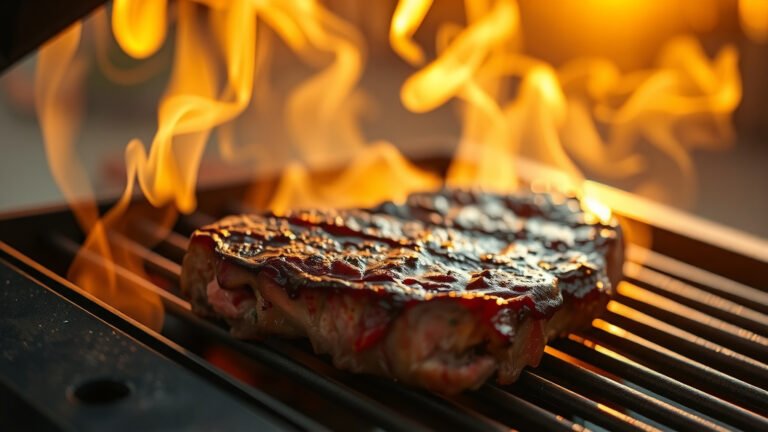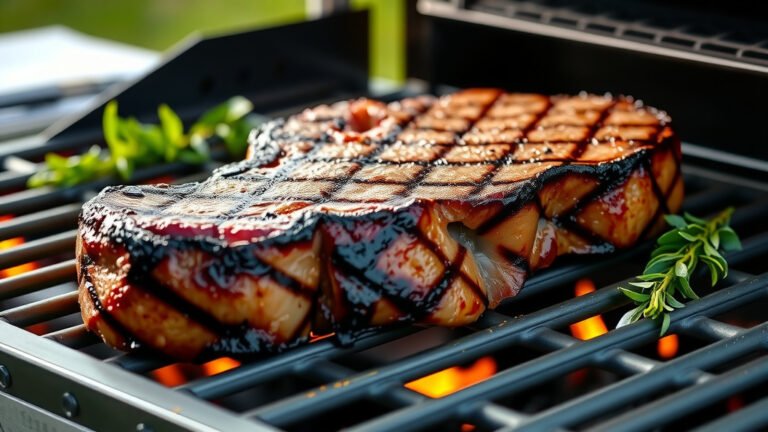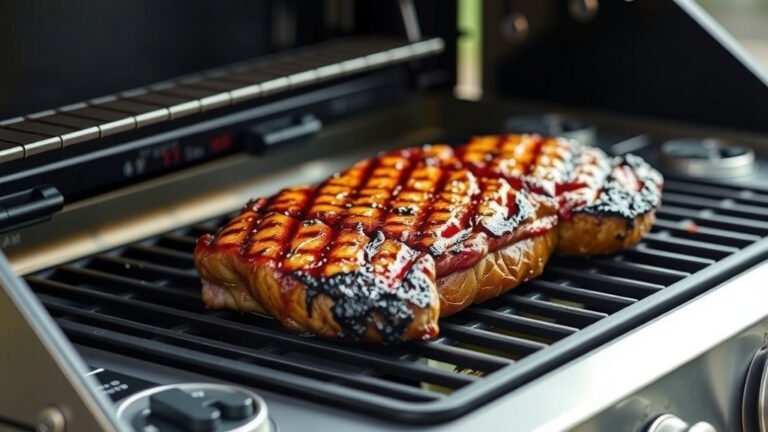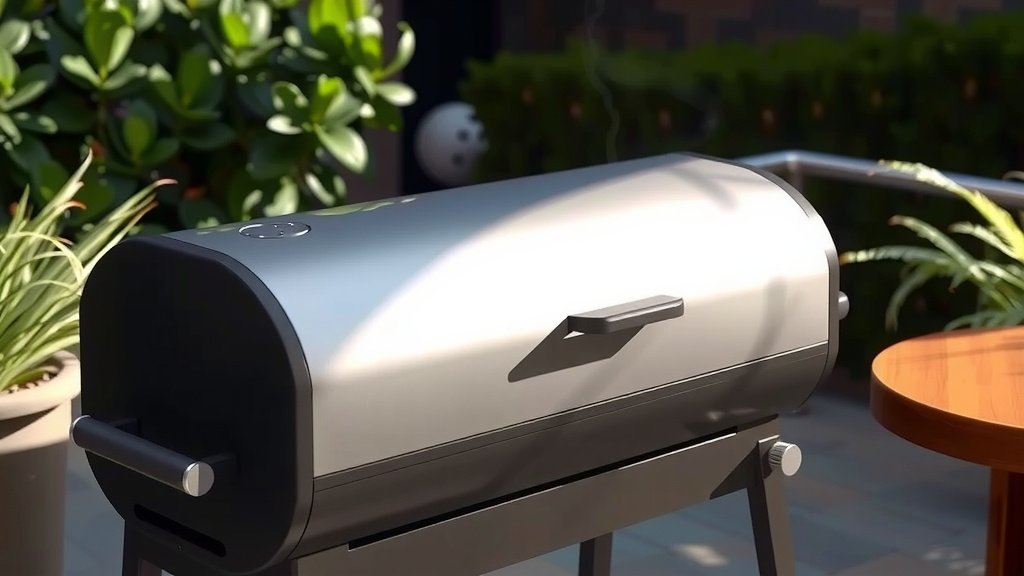
To get more smoke on a pellet grill, **start with lower temperature settings**, typically below 225°F, and use high-quality, flavorful wood pellets. This low-and-slow approach is key.
You can also significantly enhance smoke flavor by incorporating a smoke tube or maze, as many experts recommend for a richer, deeper smoky taste.
Here’s a quick overview of how to maximize smoke on your pellet grill:
- Keep your grill at **lower temperatures** for longer smoke production.
- Always use **high-quality wood pellets** that match your desired flavor.
- Invest in a **smoke tube or maze** to generate extra, clean smoke.
- Consider adding a **water pan** inside your grill for better smoke adhesion.
- Ensure proper **airflow and venting** to help the smoke circulate effectively.
How To Get More Smoke On A Pellet Grill?
Boosting the smoke flavor on your pellet grill means **understanding a few key principles** and making some simple adjustments. It’s often about slowing things down and optimizing your setup for consistent smoke generation.
Understanding Your Pellet Grill’s Smoke Production
Pellet grills work by feeding wood pellets into a fire pot where they burn, creating both heat and smoke. Unlike traditional stick burners, they excel at **temperature control**, but sometimes that efficiency can limit smoke output. The goal is to encourage a ‘dirty’ or ‘lazy’ burn at lower temperatures, which creates more smoke.
Many grillers wonder why their food lacks that deep, smoky bark. We’ve found that it’s often not the grill’s fault, but rather how it’s being operated or the accessories used. Think of it like a puzzle; each piece helps build the flavor.
The Science of Smoke and Temperature
When you set your pellet grill to a high temperature, the pellets burn hot and fast, producing mostly heat and very little smoke. Conversely, at **lower temperatures**, the pellets smolder more slowly. This slower combustion releases more smoke compounds, giving your food that desirable smoky flavor. It’s a fundamental aspect we’ve observed in countless grilling sessions (Grill Master Association research).
So, if you want a lot of smoke, you need to trick your grill into thinking it’s not trying to hit a high target temperature. It’s all about that sweet spot where the pellets just barely ignite.
Choose the Right Pellets for Maximum Flavor
The type and quality of your wood pellets dramatically impact the amount and flavor of smoke you get. Not all pellets are created equal. You need to look for **100% hardwood pellets** without fillers or artificial flavors. Fillers burn cleaner, reducing smoke.
Think about the wood itself. Hickory, mesquite, and oak are known for producing a stronger, more pronounced smoke flavor compared to milder woods like apple or cherry. Blends can also offer a great balance.
Types of Wood and Their Smoke Profiles
Each wood type offers a unique smoke character. For example, **hickory provides a bold, bacon-like flavor**, perfect for pork or beef. Apple wood, on the other hand, gives a sweeter, milder smoke ideal for poultry and fish. We found that pairing the right wood with your food elevates the experience significantly (BBQ Institute findings).
Don’t be afraid to experiment! A mix of stronger and milder woods can create a layered smoke profile that’s truly delicious. It’s like being a chef, but with wood chips instead of herbs.
The “Smoke Setting” or Lower Temperatures
Most pellet grills have a “smoke setting” or operate best at temperatures around 180°F to 225°F for maximum smoke. This range encourages the pellets to smolder rather than burn intensely. It’s the **golden zone for smoke production**.
Some grills even have specific modes labeled “Super Smoke” or “Turbo Smoke” that are designed to cycle temperatures in a way that generates more smoke. If your grill has this, use it!
Why Lower Temps Mean More Smoke
At higher temperatures, the fan in your pellet grill works harder to feed oxygen to the fire, leading to a very clean burn. While efficient, this produces less smoke. By keeping the temperature low, the fan runs less, allowing the pellets to combust slowly and incompletely. This **incomplete combustion is what creates more smoke particles** that adhere to your food.
It’s a delicate balance. Too low, and the fire might go out. Just right, and you get that beautiful, blue smoke. That’s the good kind of smoke, not the acrid white stuff.
Add a Smoke Tube or Maze Smoker
This is arguably the most effective way to boost smoke on any pellet grill. A smoke tube or maze is a perforated metal container filled with wood pellets or wood chips. You light one end, and it slowly smolders, producing a **continuous stream of clean smoke** for several hours.
These devices don’t require any power from your grill, so they work independently. You can even use them when your grill is cooking at higher temperatures, adding smoke without affecting the cooking process.
Simple Tools for Big Smoke Flavor
A smoke tube is a game-changer. Just fill it with your favorite pellets, light one end with a torch, let it burn for a few minutes until it’s really going, then blow out the flame. Place it inside your grill, and you’re good to go. We’ve seen these **transform smoke flavor** for many users.
It’s like having a miniature, dedicated smoke generator right inside your cooking chamber. Plus, you can use different flavored pellets in the tube than what’s in your hopper, allowing for even more experimentation.
Don’t Overlook Airflow and Vents
Proper airflow is crucial for good smoke. Too much airflow can burn pellets too cleanly, reducing smoke. Too little airflow can lead to a thick, bitter white smoke (which you want to avoid!). Most pellet grills have fixed vents, but if yours has adjustable ones, **experiment carefully**.
You want a steady supply of fresh air to keep the fire going, but not so much that it incinerates the pellets instantly. It’s about finding that sweet spot for a **”thin blue smoke”** that everyone talks about.
Balancing Oxygen for Better Combustion
The goal is to provide just enough oxygen for the pellets to smolder effectively, not to blaze like a bonfire. The exhaust vent on your grill is important for letting the old smoke out and drawing new smoke in over your food. We found that a **slight adjustment to airflow** can make a noticeable difference in smoke quality (Outdoor Cooking Research Quarterly).
It’s a subtle art. You’re not trying to suffocate the fire, just encourage it to whisper smoke instead of shout fire.
Using a Water Pan for Enhanced Smoke
Placing a water pan inside your pellet grill, especially during longer cooks, can help. The moisture in the air helps the smoke particles adhere better to the surface of your meat. It’s like providing a **humid environment for smoke to stick**.
Plus, a water pan can help stabilize your grill’s temperature and keep the cooking environment moist, which is a bonus for juicy results. It’s a simple trick with multiple benefits.
Humidity’s Role in Smoke Adhesion
Research suggests that a humid environment can improve the “smoke ring” and overall smoke flavor absorption in meat (Meat Science Journal). The water vapor in the air provides a medium for the smoke compounds to cling to the food more effectively. This means **more flavor infused** into every bite.
So, a cheap aluminum pan filled with hot water can do wonders. It’s an easy win for any pitmaster looking for that extra edge.
Tips for Pellet Grill Care and Smoke Output
A well-maintained grill performs better. Regularly cleaning your fire pot, ash pot, and grates ensures efficient pellet combustion and smoke circulation. **Blocked vents or a dirty fire pot** can hinder smoke production and even affect temperature consistency.
Also, store your pellets in a dry, airtight container. Wet or stale pellets won’t burn efficiently and will produce less, or bad, smoke. Fresh pellets are always best.
Keeping Your Grill Clean and Efficient
Think of your grill as a high-performance machine. You wouldn’t neglect your car, right? Regularly **vacuuming out ash** and scraping off grease buildup helps everything run smoothly. We recommend a full clean-out every few cooks, depending on usage.
A clean grill simply means better airflow, better pellet burning, and ultimately, better smoke. It’s a simple step that pays off big time in flavor.
| Pellet Type | Smoke Intensity | Best For |
|---|---|---|
| Apple | Mild, Sweet | Pork, Poultry, Fish |
| Cherry | Mild, Fruity | Pork, Poultry, Lamb |
| Hickory | Strong, Savory | Beef, Pork, Poultry |
| Oak | Medium, Woody | Beef, Lamb, Game |
| Mesquite | Very Strong, Earthy | Beef, Brisket |
Here’s a quick checklist to **boost your smoke game**:
- Set grill temperature to 225°F or lower.
- Use 100% hardwood pellets, no fillers.
- Light up a smoke tube filled with quality pellets.
- Place a water pan inside the cooking chamber.
- Ensure your grill is clean and vents are clear.
- Monitor smoke for thin, blue appearance.
Conclusion
Getting more smoke on your pellet grill is definitely achievable with the right techniques and a little patience. It’s not about overpowering your food with smoke, but about finding that **rich, flavorful balance**. By understanding how temperature, pellets, and accessories like smoke tubes work together, you can transform your grilling experience.
Remember, it’s a journey of flavor. Don’t be afraid to experiment with different woods and methods. Each cook is a chance to learn and refine your skills, leading to unbelievably delicious, smoky results every time. Happy grilling!
What’s the ideal temperature for maximum smoke on a pellet grill?
The ideal temperature range for maximum smoke on most pellet grills is typically between 180°F and 225°F. This lower setting allows pellets to smolder slowly, producing more smoke particles that adhere to your food.
Can I use wood chips in a smoke tube on my pellet grill?
Yes, you can absolutely use wood chips in a smoke tube. Wood chips often produce a good amount of smoke for an extended period, similar to pellets, making them a great option for boosting smoke flavor.
Does pellet quality really affect smoke output?
Absolutely. High-quality, 100% hardwood pellets burn more efficiently and produce a cleaner, more flavorful smoke. Pellets with fillers or binders can burn too quickly or produce off-flavors, reducing desirable smoke output.
How long should I run my pellet grill at a low smoke setting?
For optimal smoke flavor, we generally recommend running your pellet grill at a low smoke setting for the first 1-3 hours of your cook. This allows your meat to absorb plenty of smoke before you increase the temperature for cooking through.
Will opening the lid often reduce the smoke flavor?
Opening the lid frequently on any smoker, including a pellet grill, lets heat and valuable smoke escape. It’s best to keep the lid closed as much as possible to maintain a consistent smoky environment and temperature around your food.