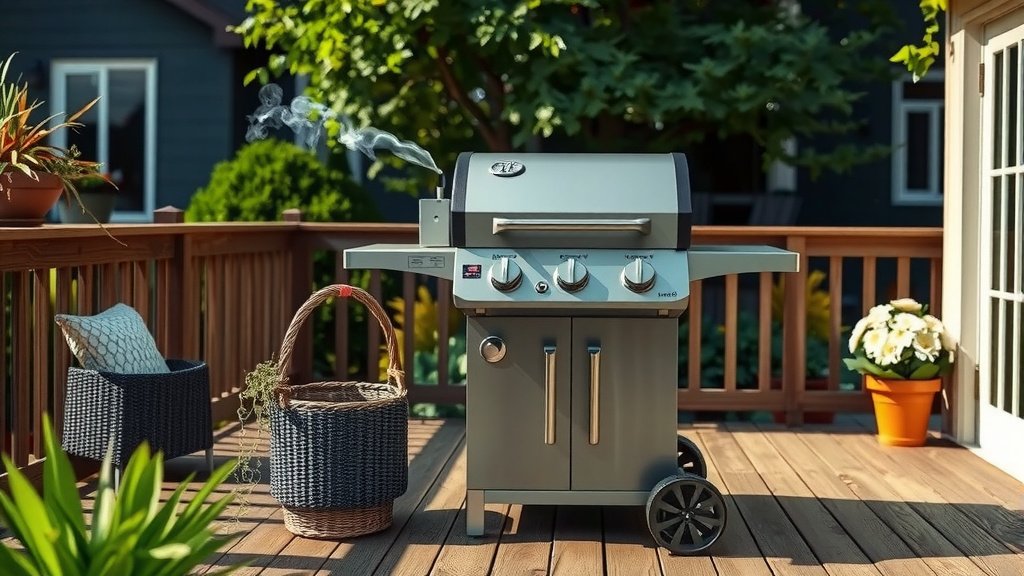
To infuse more smoke flavor into your pellet grill cooking, the most effective methods involve lowering the cooking temperature during the initial phase and utilizing supplementary smoke-enhancing tools. You really want to give the meat plenty of time in a smoky, low-temperature environment to absorb those delicious flavors.
Many experts agree that starting your cook at temperatures between 180°F and 225°F is a game-changer for maximizing how much smoke penetrates your food, especially if your grill has a dedicated “smoke” setting. Think of it like a flavor sponge, just waiting to soak up all that goodness.
Here’s a quick rundown of how to boost that beautiful smoky flavor from your pellet grill:
- Start with lower temperatures, typically between 180-225°F, to get more smoke.
- Use a dedicated smoke tube or tray to generate **extra concentrated smoke**.
- Select stronger wood pellet flavors, like hickory or mesquite, for a bolder taste.
- Place cold meat directly on the grill to allow for **longer smoke absorption**.
- Keep your grill clean to ensure proper airflow and consistent smoke production.
How To Get More Smoke Flavor From Pellet Grill?
You can achieve significantly more smoke flavor from your pellet grill by primarily adjusting your cooking temperatures and introducing external smoke sources. These simple steps make a **big difference** in your BBQ.
Why Do Pellet Grills Sometimes Lack Smoke Flavor?
Ever wonder why your pellet grill sometimes produces less smoke flavor than you expect? Pellet grills are amazing for their convenience and consistent heat, but they often burn pellets very efficiently. This efficiency means less “dirty” smoke, which is where **much of the flavor comes** from. It’s a trade-off, isn’t it?
Think of it this way: a clean burn is great for efficiency, but it doesn’t always produce that **deep, rich smoke profile** you crave. Traditional offset smokers, for example, create a much heavier smoke environment. We often find that this difference is why some grillers seek ways to boost their pellet grill’s smoke output.
The Science of Smoke: Understanding the “Blue Smoke”
When we talk about great smoke flavor, we are often aiming for “thin blue smoke.” This type of smoke is nearly invisible and smells sweet and clean. It’s what you want for **delicious, complex flavors**. Thick white smoke, on the other hand, often tastes bitter and can leave a bad aftertaste on your food.
Many experts say that thin blue smoke comes from efficient, but sometimes less abundant, combustion. Pellet grills are designed to produce this ideal, clean smoke. The trick is to generate *more* of that good smoke during the **critical flavor absorption phase** without creating too much bad smoke.
Crank Up the Smoke: Key Strategies for Intense Flavor
Ready to turn up the flavor dial on your pellet grill? Let’s explore some proven strategies. These methods will help you get that **deep, smoky taste** you are after. It’s all about technique and a little bit of patience.
Lower Temperatures are Your Best Friend
One of the most effective ways to get more smoke is to cook at lower temperatures. When your pellet grill runs at 180°F to 225°F, the pellets smolder more than burn cleanly. This smoldering action creates more smoke. We often find that this initial low-temp phase is **where the magic happens**.
Imagine your meat as a sponge. At these lower temperatures, the meat’s surface stays cooler and can absorb smoke for a longer period. Research often connects lower temperatures with **increased smoke penetration** (Kansas State University). So, don’t rush the start of your cook.
The “Smoke” or “Super Smoke” Setting
Many pellet grills, like those from Traeger or Camp Chef, offer a dedicated “Smoke” or “Super Smoke” mode. These settings are designed to intentionally lower the temperature and cycle the fan, promoting more smoldering. If your grill has this feature, **use it liberally**!
This setting creates those bursts of “dirty” smoke which are rich in flavor compounds. It’s a smart way to maximize smoke absorption before you crank up the heat for the main cooking. You’ll definitely notice a **difference in taste**.
Choose Your Pellets Wisely
Not all wood pellets are created equal when it comes to smoke flavor. Some woods naturally produce a more intense smoke. Think about matching the pellet flavor to your food. For example, beef pairs wonderfully with bolder woods.
Here’s a look at common pellet types and their smoke intensity:
| Pellet Type | Smoke Intensity | Best For |
|---|---|---|
| Apple | Mild, sweet | Pork, poultry, veggies |
| Cherry | Fruity, mild | Beef, pork, chicken |
| Hickory | Strong, savory | Beef, pork, ribs |
| Mesquite | Very strong, bold | Beef brisket, wild game |
| Oak | Medium, balanced | Beef, poultry, fish |
For a really deep smoke, options like **hickory, mesquite, or oak** are your go-to choices. These woods naturally impart a more pronounced flavor. You’ll taste the difference compared to milder fruitwoods.
Mixing Pellets for Custom Blends
Why stick to just one type of pellet? Many grill enthusiasts enjoy mixing different pellet flavors to create custom smoke profiles. You can combine a strong wood like mesquite with a milder fruitwood like apple. This gives you a **balanced and unique taste**.
Experimenting with blends is fun and can lead to incredible results. You might discover your own signature smoke flavor! Just make sure to mix them well in the hopper for **consistent feeding**.
Introduce a Smoke Tube or Tray
Perhaps the most straightforward way to add more smoke is to use a smoke tube or a smoke generator tray. These accessories are filled with wood pellets or wood chips and then lit, producing a continuous stream of smoke. They work great even when your grill is running at higher temperatures.
A smoke tube is a simple, often overlooked, tool that creates amazing results. Many people find this method significantly **boosts smoke flavor**. It’s like having a little extra smoke machine inside your grill.
Which Fuel for Your Smoke Tube?
You can fill your smoke tube with your preferred wood pellets or even wood chips. For an even more intense smoke, some people use **larger wood chips or chunks**. Just make sure they are compatible with the tube. We found that a mix of pellets and small chips can work wonders.
Lighting a smoke tube is easy: just use a small torch until the pellets or chips are smoldering well. Once it’s producing a steady stream of smoke, you’re all set. Place it away from your primary heat source for **best results**.
Start with Cold Meat
This tip is often called the “cold start” method. Instead of letting your meat come to room temperature, place it directly on the grill while it’s still cold from the fridge. The colder meat will take longer to warm up. This provides more time for smoke to adhere to its surface.
Think of it as giving the meat more “exposure time” to the smoky environment. This is particularly effective during the initial low-temperature smoking phase. Many pitmasters swear by this simple trick for **deeper smoke penetration**.
The “Reverse Sear” Advantage
The cold start works perfectly with the “reverse sear” technique. You smoke your meat at a low temperature until it reaches your desired internal temperature. Then, you remove it, crank up the grill, and sear it quickly at high heat. This method gives you both amazing smoke flavor and a **perfect crust**.
It’s a two-stage cooking process that optimizes for both smoke absorption and final texture. You get the best of both worlds with this approach. The slow start locks in flavor, and the fast finish provides **beautiful browning**.
Ensure Proper Airflow and Cleanliness
A clean grill is a happy, smoky grill. Over time, grease and ash can build up in your grill, restricting airflow. Good airflow is essential for proper pellet combustion and consistent smoke production. Make sure to regularly clean your grill’s grates and inside components.
We often find that a neglected grill struggles to produce consistent smoke. A clean fire pot and grease tray ensure your pellets burn efficiently and the smoke circulates freely. This small maintenance step can **make a big difference**.
A Clean Grill Smokes Better
Think of your grill as a chimney; if it’s clogged, it won’t vent properly. The same applies to smoke production. Regularly cleaning out ash and debris ensures your pellets get the oxygen they need to create good smoke. Many guidelines point to regular cleaning as a good first step (Traeger Grills support).
It also prevents old, stale grease from adding off-flavors to your food. You want fresh smoke, not the residue from last week’s cook. A quick clean can drastically **improve your results**.
Common Mistakes That Kill Smoke Flavor
Even with the best intentions, some habits can unintentionally reduce the smoke flavor in your food. Let’s look at a few common pitfalls to avoid. Knowing these can save you from **flavor disappointment**.
Opening the Lid Too Often
Every time you lift the lid of your pellet grill, you release precious smoke and heat. This not only extends cooking time but also lets out the very flavor you’re trying to build. Resist the urge to peek frequently.
Think of it like opening the oven door too often when baking; it just slows things down. Keep the lid closed as much as possible, especially during those initial smoking phases. Patience is truly a **virtue in smoking**.
Rushing the Cook
Smoking is a slow process, and trying to rush it by increasing the temperature too quickly can limit smoke absorption. Give your meat time to soak up that smoky goodness. The longer it spends in the low-temperature smoke, the better.
This goes back to the “cold start” and low-temperature smoking principles. The early stages of the cook are where most of the smoke flavor is absorbed. Don’t skip these crucial hours; they are **flavor builders**.
Using Old or Low-Quality Pellets
Pellets can degrade over time, especially if exposed to moisture. Old, dusty, or poorly stored pellets might not burn as efficiently. This leads to less smoke and potentially off-flavors. Always use fresh, high-quality pellets.
Always store your pellets in a dry, airtight container to maintain their quality. Fresh pellets produce a much cleaner and more robust smoke. We found that pellet quality directly impacts **smoke output and taste**.
Quick Checklist for Maximum Smoke
To summarize, here’s a quick checklist to help you get the most smoke flavor from your pellet grill:
- Set your grill to 180-225°F for the first few hours.
- Use your grill’s “Smoke” or “Super Smoke” mode if available.
- Choose strong, fresh wood pellets like hickory, mesquite, or oak.
- Consider using a smoke tube or tray with extra pellets or chips.
- Start with meat straight from the refrigerator.
- Keep your grill clean: ash, grease, and grates.
- Avoid opening the grill lid unnecessarily.
- Allow enough time for your food to truly absorb the smoke.
Conclusion
Getting more smoke flavor from your pellet grill is entirely achievable with a few thoughtful adjustments. By focusing on lower temperatures during the initial cook, utilizing supplemental smoke sources like tubes, and selecting the right pellets, you can significantly enhance your barbecue’s taste. Remember, patience and proper grill maintenance also play a vital role. With these tips, you’re well on your way to creating incredibly smoky and flavorful dishes that will impress everyone at your next cookout. Enjoy the journey of mastering your pellet grill!
Can I add wood chips directly to my pellet grill?
No, it’s generally not recommended to add wood chips directly into your pellet grill’s hopper or fire pot. Pellet grills are designed to burn small, compressed pellets, and adding wood chips can clog the auger or interfere with the burning process. For adding wood chip flavor, a smoke tube or tray is a much safer and more effective solution.
How long should I smoke meat at low temperatures?
The duration for smoking meat at low temperatures depends on the type and size of the meat. For larger cuts like briskets or pork butts, you might smoke for 3-6 hours at 180-225°F before increasing the temperature. Smaller items like chicken or ribs might only need 1-2 hours of low-temperature smoking to absorb good flavor.
Does pellet brand affect smoke flavor significantly?
Yes, pellet brand can definitely affect smoke flavor, though perhaps not as dramatically as different wood types. Premium pellet brands often use 100% hardwood with no fillers, which can result in a cleaner, more consistent, and robust smoke. Cheaper brands might use lower-quality wood or binders, leading to a less desirable smoke profile.
Is it better to use a smoke tube with pellets or wood chips?
Both pellets and wood chips can work well in a smoke tube. Pellets tend to burn longer and more consistently, producing a steady stream of smoke. Wood chips might produce a more intense burst of smoke initially but could burn out faster. Many people choose pellets for convenience and consistent smoke output.
Can I add smoke flavor after my food is cooked?
Adding significant smoke flavor after your food is fully cooked is very difficult. Smoke flavor is best absorbed when the meat is raw and cool, or during the early stages of cooking when the surface is still receptive. Once the meat’s surface cooks and dries, it becomes much less permeable to smoke. Focus on building flavor during the cook.