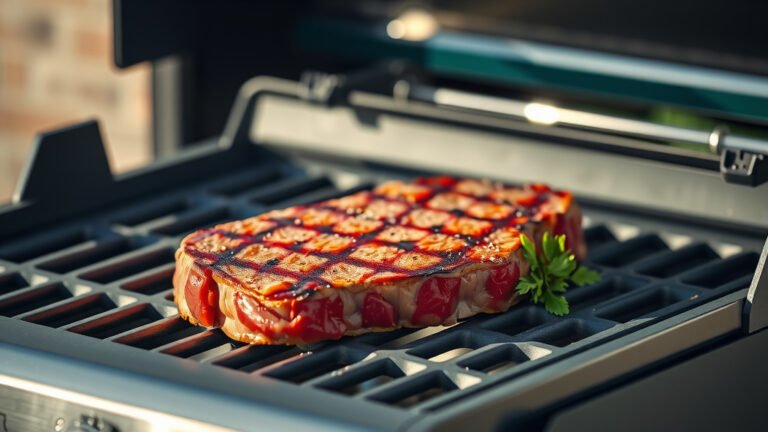
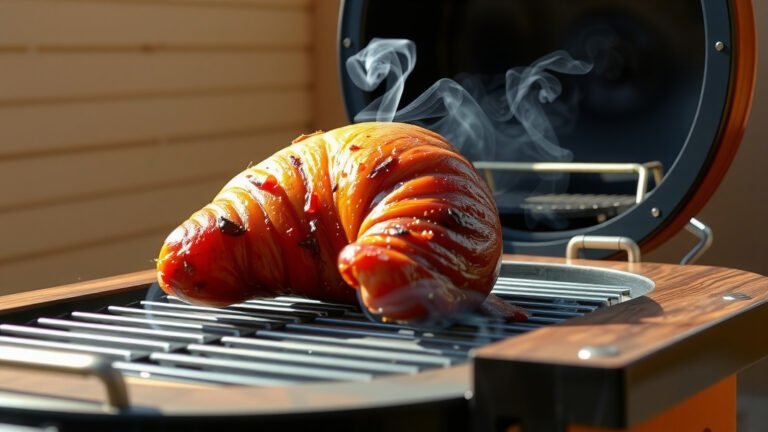
To gas grill sausage perfectly, always start with medium-low heat to cook the sausage through without bursting the casings. Aim for an internal temperature of 160°F (71°C) to 165°F (74°C).
Utilize indirect heat for most of the cooking time, then finish with a brief sear over direct heat for beautiful grill marks and added flavor.
- Start your gas grill on medium-low heat for gentle, even cooking.
- Avoid high heat to prevent bursting the sausage casings.
- Cook sausages over indirect heat, moving them around often.
- Use a meat thermometer to check for an internal temperature of 160-165°F.
- Finish with a quick sear over direct heat for a nice crust and color.
How To Gas Grill Sausage?
Grilling sausage on a gas grill means you get amazing flavor without much fuss. The trick is gentle heat and patience, ensuring the sausage cooks evenly inside.
Why Choose Gas for Your Sausages?
Gas grills offer fantastic control over temperature, making them ideal for delicate foods like sausage. You can easily adjust the flame to prevent flare-ups and burnt exteriors.
It’s all about finding that sweet spot of heat. With gas, you’re the master of the flame, not at the mercy of charcoal. We found that gas grilling provides a consistent heat source, which is key for juicy results.
Prepping Your Grill for Sausage Success
First things first, make sure your grill grates are clean. Scrub off any old food bits with a wire brush. A clean grill prevents sticking and those nasty burnt flavors.
Next, lightly oil the grates. You can use tongs with a paper towel dipped in high-smoke-point oil. This little step makes a big difference for easy flipping.
Selecting the Perfect Sausage
What kind of sausage are you craving? From Italian links to bratwurst, the world is your oyster. Raw sausages need a bit more attention to internal temperature.
Pre-cooked varieties are more forgiving but still benefit from proper heating. Always check the package for any specific cooking instructions, as some sausages are denser than others.
The Indirect Heat Advantage
This is where many home grillers go wrong. You want to cook sausage slowly, not blast it with fire. That’s why indirect heat is your best friend.
Turn on one or two burners to medium-low, leaving some burners off. Place the sausages over the unlit sections of the grill. This gentle warmth cooks them through without scorching.
Direct Heat: The Finishing Touch
Once your sausages are nearly cooked through with indirect heat, it’s time for the direct heat. This stage is quick and purely for aesthetic appeal and flavor.
Move your sausages over the lit burners for a minute or two per side. You’re looking for those beautiful, enticing grill marks and a slightly crisp casing. Don’t walk away during this step!
Setting the Right Temperature
Many experts say to preheat your gas grill to about 300-325°F (149-163°C) for indirect cooking. This moderate heat prevents the casings from splitting prematurely.
You want enough heat to cook, but not so much that it causes a rapid expansion of the meat and juices. Think of it like a gentle sauna for your sausage, not a fiery inferno.
Monitoring Internal Temperature
This is perhaps the single most important step for safe and delicious sausage. A reliable meat thermometer is essential. No more guessing!
For most raw sausages, we found that 160-165°F (71-74°C) is the magic number for doneness. Insert the thermometer into the thickest part of the sausage, avoiding the bone if present.
Why a Thermometer is Crucial
Visual cues alone can be misleading. A sausage can look perfectly browned on the outside but still be undercooked inside. You don’t want to serve undercooked food to your guests.
Conversely, overcooking to “be safe” leads to dry, tough sausage. A thermometer ensures both safety and optimal juiciness. It’s your grilling superpower.
The Flipping Frequency
How often should you flip? Not constantly, but enough to ensure even cooking. Every 3-5 minutes is a good starting point when cooking over indirect heat.
This regular rotation helps to brown all sides gently and prevents one side from drying out. Think of it like turning a roast in the oven; consistent heat exposure is the goal.
Preventing the Dreaded Burst Casing
Ever had a sausage burst on the grill, losing all its delicious juices? It’s often due to too-high heat or pricking the sausage. Resist the urge to poke holes!
Pricking allows precious fats and juices to escape, leading to a dry sausage. Slow and steady wins the race here. Low heat means a happy, intact casing.
A Simple Sausage Grilling Checklist
- Clean and oil your grill grates.
- Preheat your gas grill to medium-low (300-325°F).
- Set up for indirect grilling.
- Place sausages over unlit burners.
- Flip every 3-5 minutes.
- Check internal temperature (160-165°F).
- Sear briefly over direct heat for color.
- Rest sausages before serving.
Resting Your Grilled Sausages
Just like a good steak, sausages benefit from a short rest after grilling. Five minutes off the heat allows the juices to redistribute throughout the meat.
This means a more succulent, flavorful bite every time. Cover them loosely with foil to keep them warm during this brief resting period. Your patience will be rewarded with juicier results.
Common Grilling Glitches and Solutions
Sometimes, things don’t go exactly as planned. If your sausages are burning on the outside but raw inside, your heat is too high. Move them to cooler, indirect areas.
If they’re taking forever to cook, your heat might be too low. Adjust one of your indirect burners slightly up. Learning your grill’s quirks takes a little time and practice, but you’ll get there!
| Sausage Type | Approx. Indirect Grill Time (min) | Internal Temperature (°F/°C) |
|---|---|---|
| Fresh Pork Sausage (e.g., Italian, Bratwurst) | 20-25 | 160°F / 71°C |
| Fresh Chicken/Turkey Sausage | 20-25 | 165°F / 74°C |
| Smoked/Pre-cooked Sausage | 10-15 (to heat through) | 140°F / 60°C (heated) |
| Thick German Sausages | 25-30 | 160°F / 71°C |
Serving Suggestions: Beyond the Bun
While a bun is a classic, don’t limit your sausage experience! Grilled sausages are fantastic alongside grilled peppers and onions, or sliced into a fresh salad.
Consider serving them with a vibrant chimichurri sauce or a spicy mustard. They also make a hearty addition to pasta dishes or a simple plate of sauerkraut. Get creative and enjoy your hard work!
Conclusion
Grilling sausage on a gas grill is really simple once you master a few key principles. The secret lies in using indirect, medium-low heat for even cooking and a meat thermometer for accuracy. You’ll avoid burnt outsides and raw insides, ensuring perfectly juicy, flavorful sausages every time. So go ahead, fire up that grill and get ready to enjoy some fantastic links!
How do I prevent sausage from sticking to the gas grill?
To prevent sticking, ensure your grill grates are clean before you start. After cleaning, lightly oil the grates with a high-smoke-point oil using a paper towel held by tongs. This creates a non-stick surface, making it much easier to flip your sausages.
Should I boil sausage before grilling?
Many experts say boiling sausage before grilling is not necessary for raw sausages and can actually diminish their flavor and texture. Boiling can make them less juicy and harder to brown properly. Stick to cooking them entirely on the grill for the best results.
What’s the best way to clean my gas grill after cooking sausage?
The best way is to clean your gas grill while it’s still warm. After cooking, turn the burners to high for about 10-15 minutes to burn off any food residue. Then, use a stiff-bristled grill brush to scrape the grates clean. This prevents build-up and keeps your grill ready for next time.
Can I grill frozen sausage on a gas grill?
While technically possible, grilling frozen sausage is not recommended. It greatly increases cooking time and can lead to uneven cooking, with the outside potentially burning before the inside thaws and cooks. Always thaw your sausages completely in the refrigerator before grilling for safer and better results.
How can I add smoky flavor to sausage on a gas grill?
To add a smoky flavor, you can use a smoker box filled with wood chips (like hickory or applewood) placed over one of your lit burners, or wrap wood chips in a foil packet with holes and place it under the grates. This will infuse your sausages with a delicious, authentic smoky taste while still using the convenience of your gas grill.