To gas grill ribeye steak, preheat your grill to high heat (450-550°F) for direct searing, then reduce to medium heat (350-400°F) for indirect cooking to finish, ensuring a perfect crust and juicy interior.
Always season your ribeye generously, flip only once or twice, and allow it to rest after grilling for optimal tenderness and flavor distribution.
Here’s a quick rundown of what you’ll learn to grill the perfect ribeye:
- Achieve that beautiful crust and juicy center.
- Understand the best steak thickness and how to season it right.
- Master two-zone grilling for consistent results.
- Know when your steak is done and why resting is key.
- Avoid common pitfalls that can ruin your perfect ribeye.
How To Gas Grill Ribeye Steak?
Grilling a ribeye on a gas grill means creating a delicious seared crust while keeping the inside tender and juicy. The key is managing your grill’s temperature effectively and understanding steak doneness.
Why Ribeye Reigns Supreme for Grilling
Ribeye is a favorite for grilling, and for good reason. Its generous marbling—those flecks of fat—melts into the meat as it cooks, infusing every bite with incredible flavor and keeping it moist. This steak cut truly delivers a premium experience.
Essential Tools for Grilling Perfection
Before you even unwrap your steak, gather your gear. You’ll need a good pair of tongs, a reliable instant-read thermometer (this is truly non-negotiable), and a clean grill brush. Having these ready makes the process smooth.
Your Gas Grill: A Quick Check
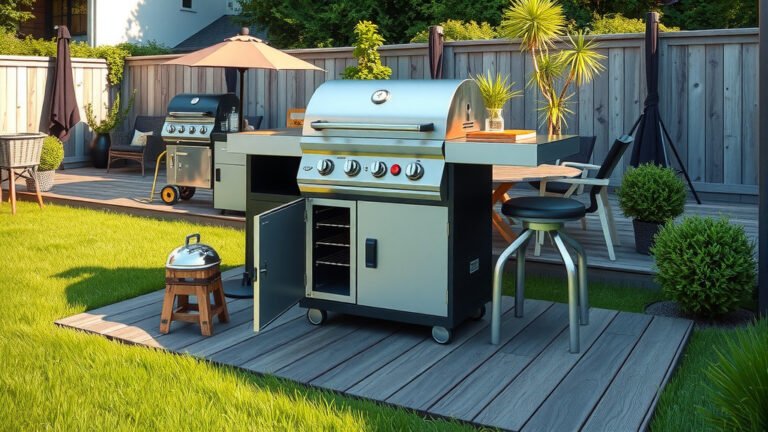
Make sure your gas grill is clean and your propane tank has enough fuel. A dirty grill can cause flare-ups and stick to your steak. We found that a quick pre-grill brush-down saves a lot of headaches later.
Choosing the Perfect Ribeye
Start with quality. Look for a ribeye with good, even marbling throughout the meat. This is where all the flavor lives. A bright red color and firm texture are also good indicators of freshness.
Thickness Matters, Does it?
Yes, thickness absolutely matters. We found that a ribeye steak between 1 to 1.5 inches thick is ideal for gas grilling. Thinner steaks can overcook quickly, while thicker ones might be harder to get right without burning the outside.
Prepping Your Ribeye for Glory
Always bring your ribeye to room temperature for about 30-60 minutes before grilling. This allows it to cook more evenly from edge to center. Patting it dry with paper towels is also crucial for a good sear.
Seasoning Strategies
For a ribeye, simple is often best. A generous coating of kosher salt and freshly cracked black pepper is usually all you need. Some experts recommend seasoning at least 40 minutes beforehand, or just before grilling, to draw out moisture and create a better crust (Food Network).
The Art of Grill Temperature
This is where many people get it wrong. You need both high heat for searing and a lower heat for finishing. Think of it like a quick burst of intense heat followed by a gentle, steady warmth.
Two-Zone Grilling Explained
Many grilling enthusiasts use a “two-zone” setup. This involves having one side of your grill on high heat and the other on low or off. This allows you to sear, then move the steak to finish cooking without burning.
| Grill Zone | Temperature | Purpose |
|---|---|---|
| Direct High Heat | 450-550°F (approx.) | Searing for crust |
| Indirect Low/Medium Heat | 350-400°F (approx.) | Finishing to desired doneness |
Grilling the Ribeye: Step-by-Step
Once your grill is preheated to your two-zone setup, it’s go time. Place your seasoned steak directly over the high heat zone.
The Searing Secret
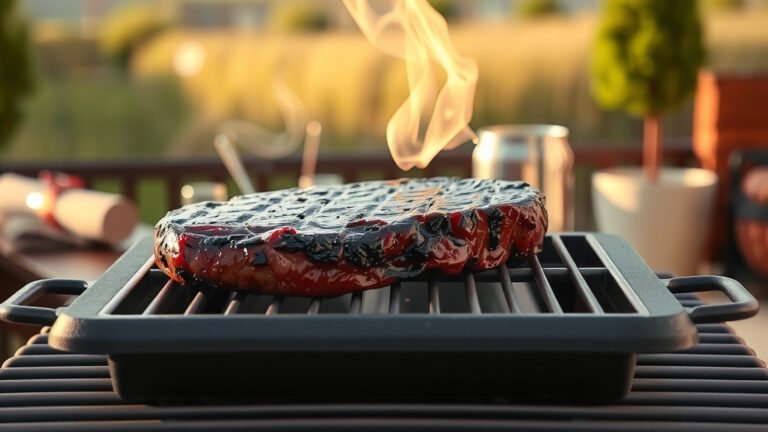
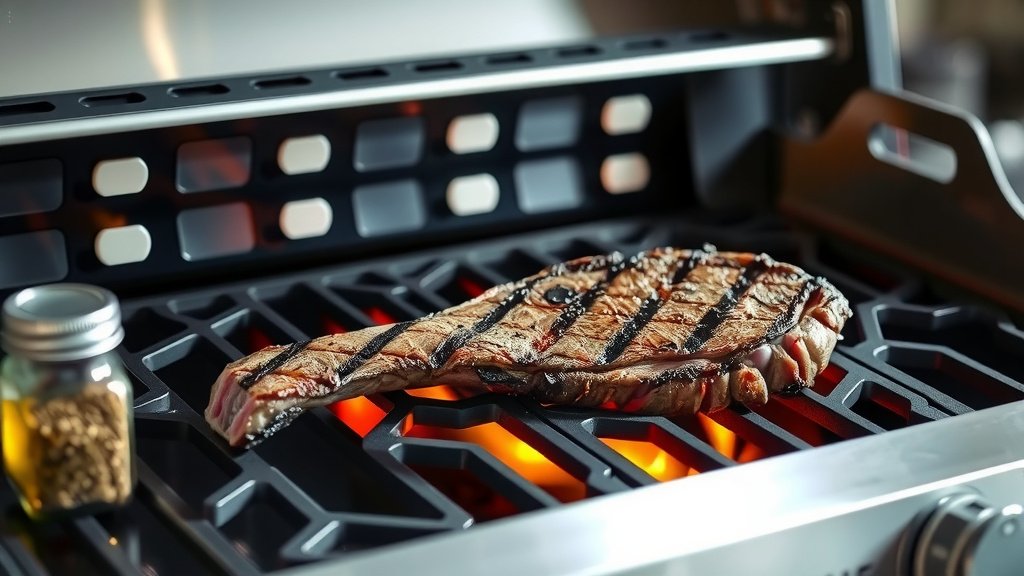
Sear the ribeye for about 2-3 minutes per side. You’re looking for that beautiful, dark brown crust. Don’t move it around too much during this stage; let the grill do its work. After searing both sides, move the steak to the indirect heat zone.
Achieving Your Desired Doneness
On the indirect side, close the lid and let it cook, turning occasionally. Use your instant-read thermometer to check the internal temperature. This is the only way to truly know when it’s done. Many sources, like the USDA, provide clear guidelines for safe cooking temperatures.
Here’s a quick guide to internal temperatures:
- Rare: 125-130°F
- Medium-Rare: 130-135°F
- Medium: 135-140°F
- Medium-Well: 140-150°F
- Well-Done: 155°F+
Resting Your Steak: Non-Negotiable
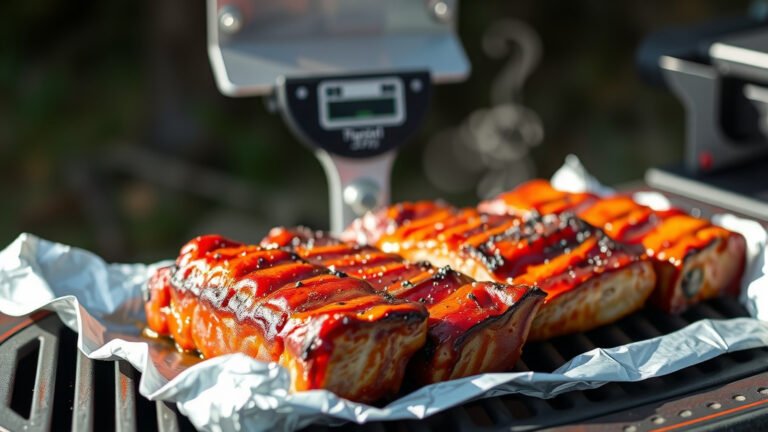
Once your steak reaches about 5 degrees below your target temperature, take it off the grill. Transfer it to a cutting board and tent it loosely with foil. Let it rest for 5-10 minutes. This resting period allows the juices to redistribute throughout the meat, making it incredibly tender and flavorful. Cutting too early means losing those precious juices.
Common Gas Grilling Mistakes to Avoid
Don’t overcrowd the grill; this lowers the temperature and prevents a good sear. Avoid constantly flipping the steak; you want to build that crust. Also, never cut into the steak to check for doneness, as this will dry it out. Trust your thermometer!
Conclusion
Grilling a perfect ribeye on a gas grill is all about understanding temperature control and timing. With a good quality steak, proper seasoning, a two-zone setup, and that essential resting period, you’re well on your way to enjoying a restaurant-quality meal at home. Take your time, trust your thermometer, and savor the process. Happy grilling!
Can I use any gas grill to cook ribeye steak?
Yes, you can use almost any gas grill. The important thing is to be able to create both a high-heat direct searing zone and a lower-heat indirect cooking zone. Clean grates and enough fuel are also key.
How do I prevent my ribeye from sticking to the grill?
Ensure your grill grates are clean and well-oiled before placing the steak down. You can brush a little oil directly on the grates, or lightly oil the steak itself. A properly hot grill also helps the steak release easily.
What’s the best way to season a ribeye for grilling?
For ribeye, simple is best. A generous amount of coarse kosher salt and freshly ground black pepper is often all you need. You can apply it just before grilling or about 40 minutes ahead of time to allow the salt to draw out some moisture and dissolve.
How do I know when to flip my ribeye steak?
You should flip your ribeye when it naturally releases from the grill grates and has a deep, golden-brown crust. This usually takes about 2-3 minutes per side on high heat for the initial sear. After searing, you’ll move it to indirect heat and only flip occasionally.
Why is resting the steak so important after grilling?
Resting the steak allows the muscle fibers to relax and the internal juices to redistribute evenly throughout the meat. If you cut into it too soon, those delicious juices will simply run out, leaving you with a drier, less flavorful steak. A 5-10 minute rest makes a big difference.