To gas grill flank steak, start by patting it dry and seasoning generously, then preheat your grill to high for searing.
Sear the steak for 3-5 minutes per side over direct high heat, then move it to indirect heat until it reaches your desired doneness, typically 125-130°F for medium-rare.
- Prepare your flank steak with a flavor-packed marinade or a robust dry rub.
- Heat your gas grill to a high setting for an initial searing blast.
- Achieve a beautiful, crusty sear over direct heat on both sides.
- Transition the steak to indirect heat to finish cooking evenly.
- Always let the steak rest before slicing it thinly across its grain.
How To Gas Grill Flank Steak?
Gas grilling flank steak is a straightforward process that rewards you with incredible flavor and a satisfying texture. You’ll use a two-zone cooking method to achieve a perfect sear and even doneness.
The Allure of Grilled Flank Steak
Flank steak offers a fantastic balance of rich beef flavor and a lean profile. It’s a cut that truly shines when exposed to the high heat of your gas grill. You’ll find it cooks quickly, making it ideal for a weeknight meal.
Many home cooks appreciate flank steak for its incredible ability to absorb flavors. Whether you prefer a zesty marinade or a savory dry rub, this steak soaks up seasoning beautifully. It’s also a more budget-friendly option compared to some other steaks.
Selecting Your Cut
When you pick out your flank steak, look for a piece with consistent thickness throughout. This helps ensure every part of the steak cooks at the same rate. A vibrant red color indicates freshness.
If your flank steak is quite long, consider cutting it into two or three shorter pieces. This makes it much easier to handle and flip on the grill, especially if you have a smaller cooking surface.
Marinades, Rubs, and Patting Dry
Before any seasoning, always pat your flank steak thoroughly dry with paper towels. We found that a dry surface is essential for achieving that desirable crusty sear. Moisture creates steam, which prevents browning.
For tenderizing and flavor, a marinade works wonders. Many experts say a marinade with some acidity helps break down muscle fibers slightly (Cook’s Illustrated). Allow at least 30 minutes, or even a few hours for deeper flavor.
If you prefer a dry rub, apply it generously to all sides of the steak. Gently press the rub into the meat so it forms a nice coating. This will create a delicious crust as it grills.
Room Temperature Warm-Up
Let your seasoned flank steak sit out at room temperature for 20-30 minutes before grilling. This simple step helps the meat cook more evenly. Think of it as letting the steak relax a bit before it hits the heat.
Setting Up Your Gas Grill for Success
Proper grill setup is half the battle for a perfectly grilled flank steak. You want intense heat, but also a cooler escape zone.
Grate Cleanliness and High Heat
Always start with clean grill grates. Many chefs agree that clean grates prevent sticking and create those beautiful, distinct grill marks. Give them a good scrub with a wire brush after preheating.
Preheat your gas grill to high, aiming for a temperature between 450-500°F. This usually takes about 10-15 minutes. A screaming hot grill is non-negotiable for that initial, flavor-building sear.
The Two-Zone Approach
For flank steak, set up your grill for two-zone cooking. This means one side of your grill is on high (direct heat) and the other side is either off or on low (indirect heat). This setup gives you control, allowing you to sear and then gently finish cooking.
Mastering the Grilling Technique
Now, let’s get that steak on the grates! Grilling flank steak is a relatively quick process, so pay close attention.
Searing for Maximum Flavor
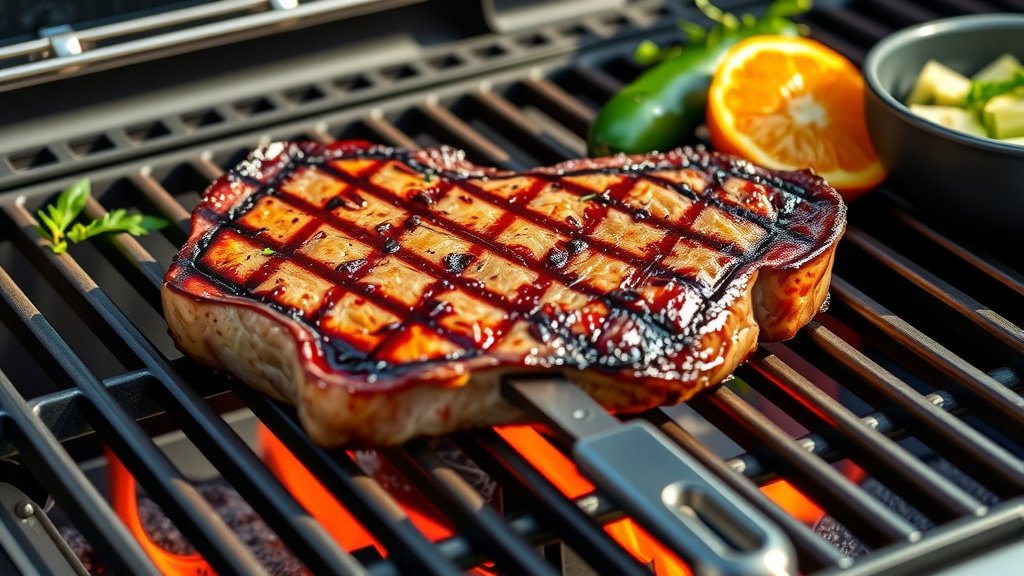
Place your flank steak directly over the high-heat zone of your grill. Close the lid and let it sear for 3-5 minutes per side. You’re looking for a deep, brown crust to form. Try to resist the urge to move the steak too often during this stage.
Finishing to Perfection
Once both sides have a beautiful sear, move the steak to the indirect heat zone. Close the lid again. This allows the steak to cook through without burning the exterior, bringing it to your desired doneness. The exact time depends on the steak’s thickness.
Using a Thermometer for Doneness
Your instant-read meat thermometer is your best friend here. Insert it into the thickest part of the steak, making sure to avoid any fatty pockets. This ensures you cook it perfectly every single time.
| Doneness | Internal Temperature |
|---|---|
| Rare | 120-125°F (49-52°C) |
| Medium-Rare | 125-130°F (52-54°C) |
| Medium | 130-135°F (54-57°C) |
| Medium-Well | 135-140°F (57-60°C) |
Remember that the steak’s temperature will rise a few degrees after it leaves the grill. This is called carryover cooking. Many guidelines suggest pulling it off the grill 5 degrees before your final target (USDA).
The Crucial Post-Grill Steps
You’ve almost done it! These final steps are essential for a tender and juicy outcome.
Resting for Juiciness
Transfer your grilled flank steak to a clean cutting board and tent it loosely with aluminum foil. Let it rest for at least 5-10 minutes. This resting period allows the juices to redistribute throughout the meat, making it incredibly tender. Skipping this step can lead to a dry, less flavorful steak.
Slicing Against the Grain
This is perhaps the most critical step for flank steak. Flank steak has long, distinct muscle fibers, or a “grain.” You must slice thinly against these fibers, perpendicular to them. This action shortens the fibers, making each bite much more tender and pleasant to chew. If you slice with the grain, your steak will be chewy, no matter how well it was cooked.
Common Pitfalls and How to Avoid Them
Even seasoned grill masters can sometimes make simple errors. Keep an eye out for these to ensure your flank steak is always superb:
- Not Patting the Steak Dry: This prevents a good sear, leading to a steamed rather than crusted exterior.
- Grilling on a Cold Grill: Putting steak on a cool grill causes it to cook unevenly and often results in a dull, grey exterior.
- Overcooking the Steak: Flank steak is lean and can dry out quickly. Always use a thermometer and aim for medium-rare to medium.
- Skipping the Resting Period: Cutting into hot steak immediately lets all those delicious juices escape onto your cutting board.
- Slicing with the Grain: This is the biggest mistake you can make with flank steak, turning even perfectly cooked meat into a tough chew.
Your Flank Steak Grilling Checklist
- Pat dry thoroughly: Essential for a great sear.
- Season well: Use your favorite marinade or rub.
- Achieve room temperature: For even cooking.
- Clean and hot grill: Crucial for non-sticking and searing.
- Utilize two-zone heat: Searing and finishing control.
- Use an instant-read thermometer: For precise doneness.
- Rest the steak: For juicy, tender results.
- Slice against the grain: The secret to tenderness.
Conclusion
Grilling flank steak on a gas grill is an art form that’s surprisingly easy to master. By focusing on proper preparation, precise temperature control, and the often-underestimated steps of resting and slicing, you’ll consistently create a tender, juicy, and flavor-packed steak. It’s a versatile and satisfying meal that proves simple techniques, when executed well, can lead to truly delicious outcomes every time you fire up the grill.
How long should I marinate flank steak?
For robust flavor and some tenderizing action, many experts recommend marinating flank steak for a minimum of 2 hours. However, an ideal duration is often 6 to 12 hours, and you can safely marinate it overnight, up to 24 hours, in the refrigerator.
What internal temperature is considered medium-rare for flank steak?
For a perfect medium-rare doneness, you should remove your flank steak from the grill when its internal temperature reaches 125-130°F (52-54°C). The temperature will slightly increase during the resting period due to carryover cooking (USDA).
Why is it important to slice flank steak against the grain?
Slicing flank steak against the grain is vital because this cut has long, tough muscle fibers. Cutting across these fibers shortens them significantly, making the steak much more tender and easier to chew. If you slice with the grain, the steak will be unpleasantly chewy.
Can I grill flank steak without a marinade or dry rub?
Yes, you certainly can! Flank steak has a naturally rich, beefy flavor that stands on its own. Simple seasonings like salt and freshly cracked black pepper are often enough. The key to success without a marinade or rub is still to achieve a good sear and cook it to the proper internal temperature.
How do I prevent my flank steak from drying out on the grill?
To prevent flank steak from drying out, cook it quickly over high heat for searing, then finish it over indirect heat to your desired doneness, ideally medium-rare or medium. Always use a meat thermometer to avoid overcooking, and make sure to rest the steak for 5-10 minutes after grilling to retain its juices.