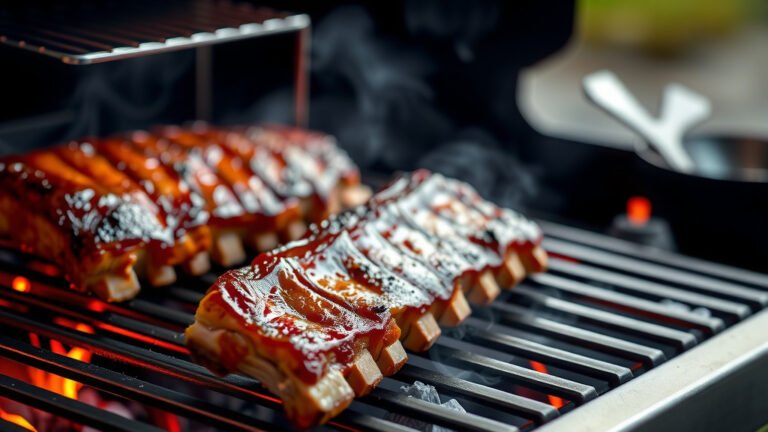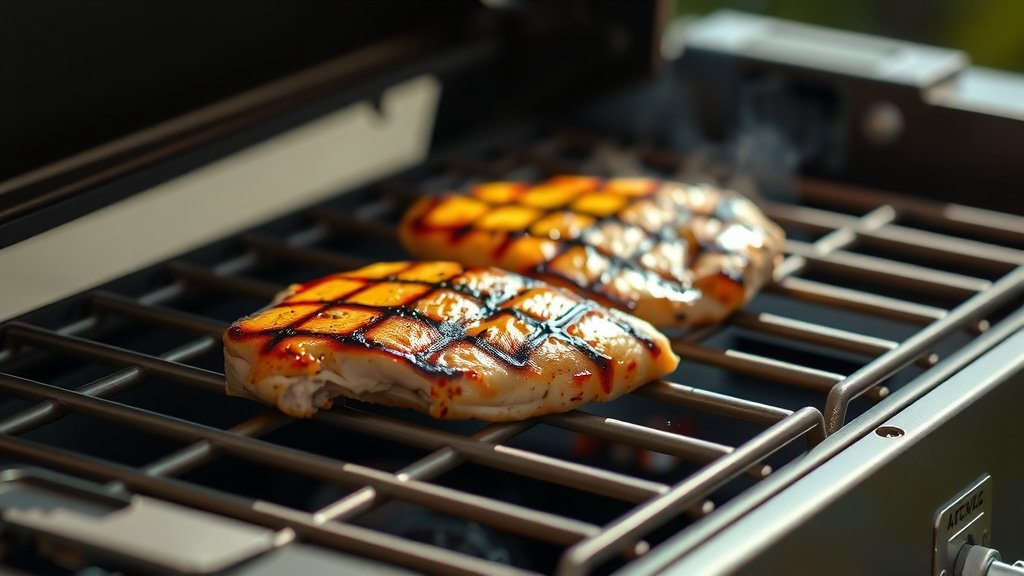
To gas grill chicken breasts perfectly, preheat your grill to a medium-high temperature of 400-450°F, then cook each side for 6-8 minutes until the internal temperature reaches 165°F.
Always ensure your chicken is patted dry before grilling, and consider using a flavorful marinade to keep it juicy and prevent sticking on the grates.
- Get your grill ready: Preheat to 400-450°F for 10-15 minutes.
- Prep your chicken: Pound breasts to even thickness, then pat them dry and season well.
- Cook with confidence: Grill 6-8 minutes per side, using a thermometer for accuracy.
- Check internal temperature: Aim for 165°F in the thickest part for food safety.
- Rest your meat: Let chicken rest 5-10 minutes off the grill for maximum juiciness.
How To Gas Grill Chicken Breasts?
Grilling chicken breasts on a gas grill means you can achieve a juicy, flavorful meal with consistent results every time. It is all about temperature control and timing.
Why Gas Grilling Chicken Breasts?
Many home cooks prefer gas grills for their convenience. You get quick preheating and precise temperature adjustments, which makes cooking chicken a breeze. It is a fantastic choice for weeknight meals.
Prepping Your Chicken for Success
The secret to perfectly grilled chicken starts before it even hits the grates. Proper preparation ensures even cooking and maximum flavor. Don’t skip these simple steps.
Choosing the Best Breasts
Look for fresh, boneless, skinless chicken breasts that are similar in size. This helps them cook at the same rate for uniform doneness. Quality ingredients always make a difference.
Pounding for Even Cooking
Chicken breasts often have a thicker and thinner end. We found that pounding them to an even half-inch thickness helps them cook uniformly (USDA). Use a meat mallet or a heavy pan. This simple step prevents one part from drying out while another finishes cooking.
Seasoning Simply, Yet Powerfully
Once pounded, pat your chicken breasts completely dry with paper towels. This promotes a better sear. Then, apply your favorite seasoning or marinade generously. Salt, pepper, garlic powder, and paprika are a classic, winning combination. Remember, flavor comes from good seasoning.
Setting Up Your Gas Grill Right
Your grill setup is just as important as the chicken itself. A properly preheated and cleaned grill makes all the difference in achieving those beautiful grill marks and preventing sticking.
Preheating Power
Always preheat your gas grill for at least 10-15 minutes on medium-high heat. Aim for a temperature range of 400-450°F. A hot grill prevents sticking and helps create a delicious crust.
Cleaning the Grates
Once preheated, use a grill brush to thoroughly clean the grates. This removes any leftover food bits and ensures a clean surface for your chicken. A clean grill is a happy grill and better food.
Direct vs. Indirect Heat
For chicken breasts, we typically use direct heat for most of the cooking. This means placing the chicken directly over the lit burners. If your breasts are thicker or you need to slow down the cooking, you can use indirect heat by moving them to a cooler zone.
The Art of Grilling Chicken Breasts
Now comes the fun part – cooking the chicken! This stage requires your attention and a little patience. You are building flavor and ensuring safe eating.
Place your seasoned chicken breasts directly over the preheated burners. Close the lid to allow the heat to circulate. Cook for about 6-8 minutes per side. You want to see nice grill marks forming.
The Flip-Flop Strategy
Resist the urge to constantly flip the chicken. Let it cook undisturbed on one side until it naturally releases from the grates. Then, flip it once to cook the other side. Many experts say that flipping only once or twice creates the best sear (Food Network).
Checking for Doneness: No More Guesswork
The only sure way to know if your chicken is done is by checking its internal temperature. Guessing can lead to dry chicken or, worse, undercooked food.
Temperature Checks
Insert a meat thermometer into the thickest part of the chicken breast. You are looking for an internal temperature of 165°F (USDA). This ensures the chicken is safe to eat while still being juicy. Don’t touch the bone if present, or the reading will be inaccurate.
The Carryover Effect
Remember that chicken continues to cook for a few minutes after you take it off the grill. This is called carryover cooking. For this reason, some grill masters pull their chicken at 160°F, knowing it will reach 165°F as it rests.
Resting is Best
This step is non-negotiable for juicy chicken. Resting allows the juices to redistribute throughout the meat instead of running out onto your cutting board. Nobody wants dry chicken, right?
Transfer the grilled chicken breasts to a clean plate or cutting board. Tent them loosely with foil and let them rest for 5-10 minutes. This short pause makes a big difference in tenderness and moisture.
Common Grilling Mistakes to Avoid
Even experienced grillers can fall victim to common pitfalls. Being aware of these helps you achieve perfect chicken every time. Learn from the mistakes of others!
- Don’t grill cold chicken: Let chicken sit at room temperature for 15-20 minutes before grilling for more even cooking.
- Avoid overcrowding the grill: Give each piece space for proper airflow and searing.
- Don’t cut into the chicken to check for doneness: This lets all the valuable juices escape.
- Forgetting to oil the grates: A light coat of high-smoke-point oil after cleaning helps prevent sticking.
Flavor Boosters and Marinade Magic
Ready to elevate your chicken? Marinades and rubs add incredible depth of flavor and moisture. There are countless options to explore.
Marinating Basics
A good marinade typically includes an acid (lemon juice, vinegar), oil, and seasonings. Marinate chicken breasts for at least 30 minutes, but no more than 4-6 hours for best results. Marinating too long can break down the meat too much.
Dry Rub Wonders
If you are short on time, a dry rub is a fantastic choice. Rub your chicken thoroughly with your spice blend right before grilling. This creates a beautiful crust and flavorful exterior.
Sauce Timing
If you plan to use a BBQ sauce, apply it during the last few minutes of grilling. Many sauces contain sugar, which can burn quickly over direct heat. Brushing it on too early can lead to charring.
Grilling Different Thicknesses
Not all chicken breasts are created equal. Their thickness directly impacts cooking time. Use this guide as a starting point, but always rely on your meat thermometer.
| Chicken Breast Thickness | Approximate Grilling Time (Per Side) | Internal Temperature Target |
|---|---|---|
| Thin (1/2 inch) | 4-6 minutes | 165°F |
| Standard (3/4 inch) | 6-8 minutes | 165°F |
| Thick (1 inch+) | 8-10 minutes (finish with indirect heat) | 165°F |
Quick Cleanup Tips
After enjoying your delicious chicken, a quick cleanup ensures your grill is ready for its next use. It also helps extend the life of your equipment.
- Brush grates while warm: Food debris comes off easier.
- Wipe down exterior: A quick wipe prevents grease buildup.
- Empty grease tray: Prevents overflow and attracts pests.
- Cover your grill: Protects from elements and dust.
Conclusion
Mastering how to gas grill chicken breasts is a truly rewarding skill that opens up a world of delicious possibilities. By focusing on proper preparation, precise temperature control, and accurate doneness checks, you can consistently achieve juicy, flavorful results. Remember to always preheat, clean your grates, and give that chicken some time to rest. With these simple tips, you are well on your way to becoming a gas grilling guru, impressing everyone with your perfectly cooked chicken.
How do I prevent chicken breasts from drying out on the gas grill?
To prevent chicken breasts from drying out, consider marinating them beforehand to add moisture and flavor. Also, avoid overcooking by using a meat thermometer to ensure they reach exactly 165°F, and always allow them to rest for 5-10 minutes after grilling.
What is the ideal temperature for grilling chicken breasts on a gas grill?
The ideal temperature for gas grilling chicken breasts is medium-high, typically between 400-450°F. This range allows for good searing and even cooking without charring the exterior before the interior is done.
Should I oil the chicken or the grill grates before cooking?
It is generally better to lightly oil your clean grill grates, especially when cooking lean meats like chicken breasts. You can also lightly brush the chicken itself with oil. This double defense helps prevent sticking effectively.
Can I grill frozen chicken breasts directly on a gas grill?
No, you should never grill frozen chicken breasts directly. Always thaw chicken completely in the refrigerator before cooking to ensure even cooking and food safety. Grilling frozen chicken can lead to uneven cooking and potential foodborne illness risks.
How do I get good grill marks on my chicken breasts?
To achieve those appealing grill marks, ensure your grill grates are very hot and clean before placing the chicken. Avoid moving the chicken for the first 3-4 minutes on each side. For a crosshatch pattern, rotate the chicken 45 degrees halfway through cooking each side.