How To Cook With A Propane Grill?
Cooking with a propane grill involves connecting a fuel tank, performing a quick leak check, and then lighting the burners to achieve your desired cooking temperature for delicious results.
You can effectively cook with a propane grill by mastering flame control, utilizing direct and indirect heat zones, and always ensuring proper food safety and cleanup.
- To grill safely, always connect your propane tank securely and check for leaks before lighting.
- Start by lighting one burner, then others, adjusting the heat as needed for your specific foods.
- Use both direct and indirect heat zones to perfectly cook various items, from searing steaks to slow-roasting chicken.
- Always keep your grill clean, scraping grates after use and storing your tank properly.
- Propane grilling offers a convenient, consistent, and user-friendly way to enjoy outdoor cooking.
How To Cook With A Propane Grill?
Cooking with a propane grill is a straightforward process that offers great control and convenience. You simply connect your propane tank, light the burners, and adjust the heat for your culinary creations.
Getting Your Grill Ready
Before you even think about lighting a match, preparing your grill is key. A little bit of setup makes all the difference for a smooth cooking experience.
Safety First, Always
Your safety is the most important ingredient in any recipe. Always ensure your grill is on a flat, stable surface, away from anything flammable.
Many experts suggest having a fire extinguisher or a bucket of sand nearby (NFPA guidelines).
Connecting Your Propane Tank
Connecting your propane tank might seem daunting, but it’s quite simple. First, make sure the grill’s burner knobs are all in the “off” position.
Line up the tank’s valve with the regulator’s connector. Twist the large black knob clockwise until it feels snug. Don’t overtighten it, just a firm hand-tight will do.
The Quick Leak Test
A quick leak test is a non-negotiable step before every use. We found that this simple test can prevent serious issues.
Mix a solution of equal parts dish soap and water. With the tank valve open and grill knobs off, brush the soapy water over the tank connections and gas lines.
If you see bubbles forming, you have a leak. Turn off the tank immediately and address the issue (Consumer Product Safety Commission).
Lighting Up Your Grill
Once your setup is secure, it’s time to bring on the heat. Lighting a propane grill is often easier than lighting a campfire, thankfully!
Simple Lighting Steps
First, open the lid of your grill. This is critical for safety, allowing any built-up gas to escape. Next, slowly open your propane tank valve all the way.
Turn one burner knob to its “high” setting. Push the igniter button if your grill has one. If not, use a long grill lighter to ignite the burner directly.
Once the first burner is lit, you can turn on other burners to your desired settings.
Warming It Up Right
Think of your grill like an oven; it needs to preheat. Close the lid and let your grill heat up for 10-15 minutes.
This ensures your grates are hot enough to sear food properly and prevents sticking. It also helps burn off any leftover residue from previous cooks.
Mastering Temperature Zones
Understanding temperature control is your secret weapon for perfect grilling. You can create different heat zones for various cooking needs.
Direct Heat vs. Indirect Heat
Direct heat is where your food sits directly over an active burner. This is perfect for searing steaks, burgers, or anything that cooks quickly (USDA guidelines).
Indirect heat means your food is not directly over a flame. You achieve this by turning off one or more burners and placing food over the unlit area. This is ideal for larger items like whole chickens or roasts, allowing them to cook through without burning.
| Food Type | Recommended Temperature | Cooking Method |
|---|---|---|
| Steaks (medium-rare) | 450-500°F (232-260°C) | Direct heat |
| Chicken Breasts | 350-400°F (175-205°C) | Direct then indirect |
| Burgers | 375-425°F (190-218°C) | Direct heat |
| Whole Roasts | 300-350°F (150-175°C) | Indirect heat |
| Vegetables | 350-400°F (175-205°C) | Direct or indirect |
Your First Grill Session
Ready to impress your taste buds? Let’s get cooking. Remember, grilling is an art that improves with practice.
Preparing Your Food
Always bring your meats to room temperature for about 15-30 minutes before grilling. This helps them cook more evenly.
Lightly oil your food, not the grates, to prevent sticking and add flavor. Season generously with your favorite spices.
Placing Food on the Grates
Arrange your food thoughtfully on the hot grates. If you’re searing, use the direct heat zone. For slower cooking, opt for the indirect side.
Avoid overcrowding the grill. Give each piece some breathing room for even cooking and easier flipping. This allows air to circulate around the food.
Knowing When It’s Done
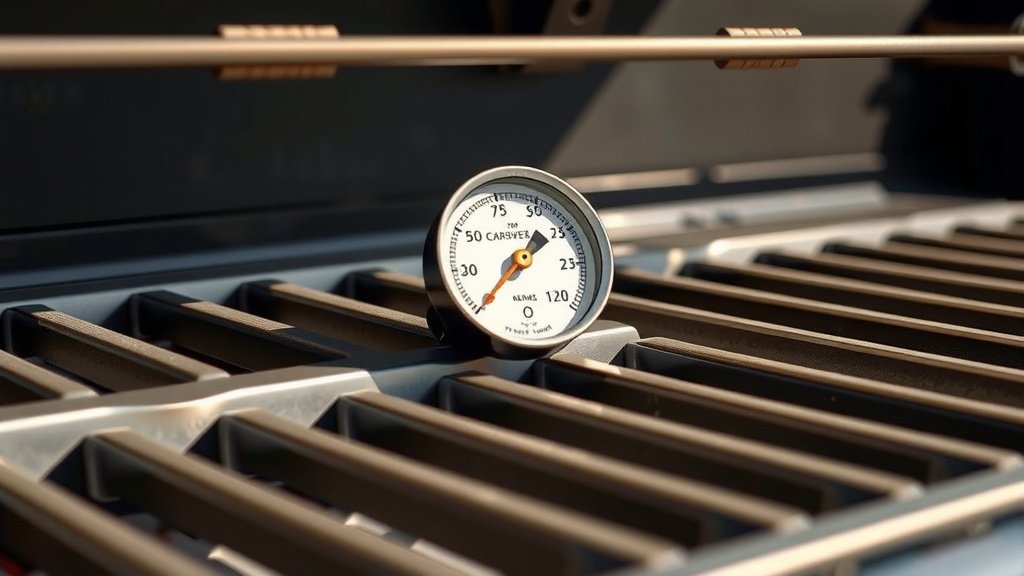
The best way to know if your food is cooked through is by using a meat thermometer. Many health organizations, including the USDA, recommend this for food safety.
Different foods have different safe internal temperatures. For instance, poultry needs to reach 165°F (74°C), while ground beef is 160°F (71°C).
Cleaning Up After Cooking
A clean grill is a happy grill, and it makes your next cooking adventure much more pleasant. Regular cleaning also helps extend the life of your grill.
The Hot Grill Scrape
After you remove your food, turn the burners to high for a few minutes. This helps incinerate any food debris stuck to the grates.
Then, use a good quality grill brush to scrape the grates clean. It’s much easier when they’re hot! Close the lid to let any remaining heat finish cleaning.
Shutting Down Safely
Proper shutdown protects your grill and keeps things safe. We found that a simple checklist makes this step easy to remember.
- Turn all grill burner knobs to the “off” position.
- Close the propane tank valve tightly.
- Disconnect the regulator from the tank if storing for a long time.
- Cover your grill to protect it from the elements.
- Store your propane tank upright, away from direct sunlight, and never indoors.
Common Propane Grill Questions
It’s normal to have a few questions when you start grilling. Don’t worry, you’re not alone! Many people wonder about similar things.
We often hear concerns about gas running out mid-cook or how to get good grill marks. These are all part of the learning curve.
Conclusion
Cooking with a propane grill is a rewarding experience that anyone can master. From the initial safety checks and connecting your tank, to lighting and managing heat, each step builds confidence.
Remember to always prioritize safety, utilize both direct and indirect heat, and keep your grill clean. With a bit of practice, you’ll be grilling delicious meals like a pro. Enjoy the process and the fantastic flavors!
How often should I clean my propane grill grates?
You should clean your grill grates after every use. A quick scrape while the grill is still hot will remove most food residue, making future cooking sessions easier and more sanitary.
Can I use a propane grill in the rain?
While you can technically grill in light rain, it’s generally not recommended. Heavy rain and wind can impact flame stability, cooking temperature, and overall safety. It’s often better to grill under a covered patio or reschedule if possible.
How do I know if my propane tank is empty?
The simplest way to check your propane tank level is to pour hot water down one side of the tank. Feel the side of the tank: the area where the water feels cool to the touch indicates the propane level, as the liquid gas absorbs heat.
What’s the best way to get good sear marks on my food?
To achieve those appealing sear marks, make sure your grill grates are very hot before placing your food. Don’t move the food for the first few minutes, then rotate it 90 degrees to create crosshatch marks before flipping.
Is it okay to leave my propane tank connected to the grill when not in use?
Many experts advise closing the propane tank valve after each use, even if the tank remains connected to the grill. This helps prevent minor leaks and reduces stress on the regulator and hoses over time (Propane Education & Research Council).