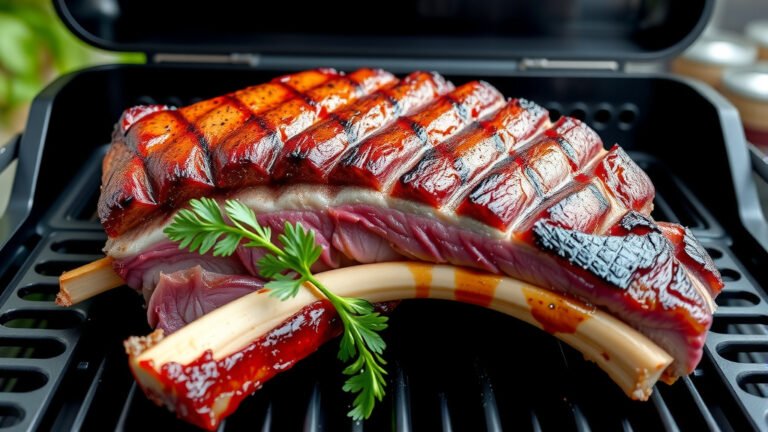
To cook ribs on a gas grill effectively, you must establish a two-zone cooking setup. This allows for low, indirect heat, which is essential for achieving tender, fall-off-the-bone results.
You can create incredible ribs on your gas grill by preparing them properly, maintaining a consistent low temperature, and finishing with a delicious sauce.
- Achieve tender ribs on your gas grill with a simple two-zone cooking setup.
- Always remove the tough membrane from the back of the ribs before seasoning.
- Cook ribs low and slow, aiming for a grill temperature around 250-275°F (120-135°C).
- Wrapping ribs in foil after a few hours helps to tenderize them further and lock in moisture.
- Finish your ribs by applying sauce in the last 30 minutes to prevent burning and create a sticky glaze.
How To Cook Ribs On The Grill On Gas Grill?
To cook ribs on a gas grill, you need to create a two-zone cooking environment. This method ensures slow, even cooking at a lower temperature, resulting in incredibly tender and delicious ribs.
Getting Started: Choosing the Best Ribs
Selecting the right ribs is your first step to success. You’ll usually choose between baby back ribs or spareribs. Baby back ribs are smaller and leaner, while spareribs are meatier with more fat, offering a richer flavor.
Look for ribs with good marbling and a consistent thickness. Avoid packages with dry, discolored spots. Fresher ribs always cook better, giving you the taste you want.
Prepping Your Ribs for Perfection
Proper preparation makes a huge difference in the final product. Don’t skip these simple but important steps. They build the foundation for flavorful, tender ribs.
Removing the Membrane
The membrane on the bone side of your ribs is tough and doesn’t break down during cooking. It will prevent your rub from penetrating and make the ribs chewy. Many grilling experts agree, removing it is a must (AmazingRibs.com).
To remove, simply slide a knife under one edge of the membrane. Grab it with a paper towel for a better grip, then pull it off. It might take a few tries, but it’s worth the effort.
Applying Your Dry Rub
A good dry rub adds tremendous flavor. Don’t be shy; cover all sides of the ribs generously. We often use a mix of salt, pepper, paprika, garlic powder, onion powder, and a touch of brown sugar.
After applying the rub, let the ribs sit at room temperature for about 30 minutes. This helps the rub adhere and start working its magic before hitting the grill.
Setting Up Your Gas Grill for Ribs
Gas grills are fantastic for convenience, but cooking ribs requires specific heat management. You want to cook with indirect heat, keeping the temperature low and stable.
The Two-Zone Cooking Method
This is the secret for gas grill ribs. Turn on one or two burners on one side of your grill to medium-low. Leave the burners on the other side completely off. This creates a hot zone and a cool zone.
You’ll place your ribs over the unlit burners. The heat from the lit burners circulates, cooking the ribs gently without direct flame contact. This prevents burning and promotes even cooking.
Achieving the Right Temperature
Your target temperature for ribs on a gas grill is about 250-275°F (120-135°C). Use your grill’s built-in thermometer, but consider adding a separate digital probe for accuracy. You want a consistent temperature for several hours.
Adjust the lit burners as needed to maintain this range. Small adjustments make a big difference over time. Be patient; low and slow is the mantra for delicious ribs.
The Grilling Process: Low and Slow
Once your grill is set up, it’s time for the long cook. This phase tenderizes the meat, making it incredibly juicy and succulent. Don’t rush this step; patience truly pays off.
Initial Cook Time Uncovered
Place your ribs, bone-side down, on the unlit side of the grill. Close the lid and let them cook for about 2-3 hours. During this time, the smoke from any wood chips will infuse the meat, and the rub will form a flavorful crust.
Avoid peeking too often, as every time you lift the lid, heat escapes, and your cooking time extends. Let the grill do its work, maintaining that steady temperature.
Wrapping for Tenderness
After the initial cook, it’s time to wrap your ribs. This step is often called the “Texas Crutch” and helps to steam the ribs, making them incredibly tender. Wrap them tightly in heavy-duty aluminum foil.
You can add a splash of apple juice, beer, or cider inside the foil before sealing. Place the wrapped ribs back on the indirect heat for another 1-2 hours. Research shows this wrapping technique significantly boosts tenderness (USDA).
Finishing Strong: Sauce and Rest
The final stages are all about building that beautiful glaze and ensuring the ribs are perfectly juicy. This is where you bring out the final flavors.
When to Apply Sauce
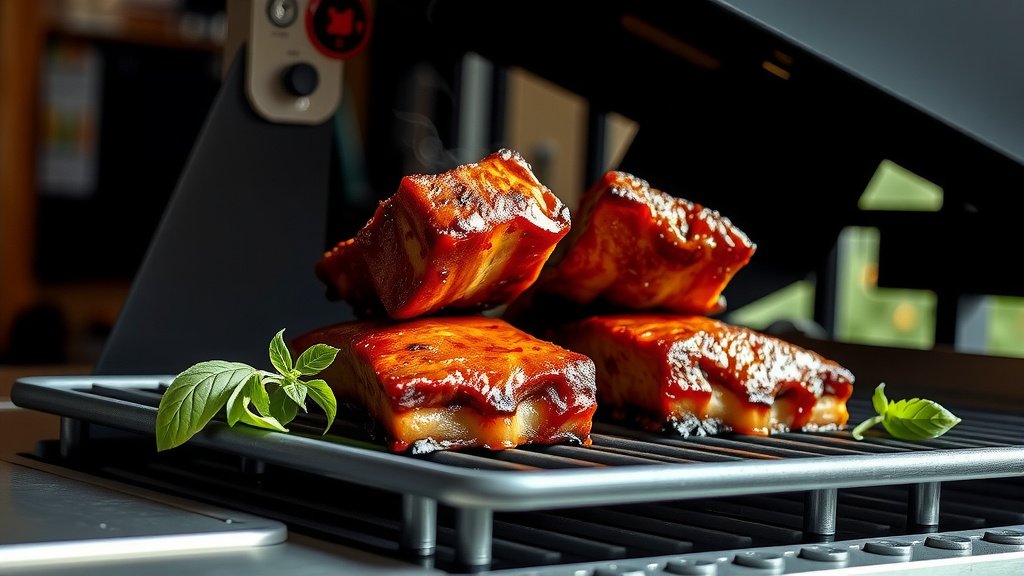
After wrapping, unwrap your ribs and place them back on the indirect heat. Now is the time to apply your favorite barbecue sauce. Brush a thin layer evenly over the ribs. We recommend this for a good reason.
Continue cooking for another 30-60 minutes, applying more sauce every 15-20 minutes. This allows the sauce to caramelize without burning. Sugar in sauces can burn easily over direct, high heat.
Checking for Doneness
How do you know when ribs are truly done? They shouldn’t be falling completely off the bone, but they should be very tender. The meat will have pulled back from the ends of the bones by about half an inch.
Try the bend test: pick up a rack of ribs with tongs in the middle. If it bends easily and cracks on the surface, they are ready. You can also insert a thermometer into the thickest part of the meat (avoiding bones); it should read around 195-203°F (90-95°C) for optimal tenderness.
Resting Your Masterpiece
Just like any cooked meat, ribs benefit from a good rest. Once they come off the grill, tent them loosely with foil and let them sit for 10-15 minutes. This allows the juices to redistribute throughout the meat.
Cutting into them immediately can cause those precious juices to run out, leading to drier ribs. A short rest ensures every bite is as moist and flavorful as possible.
Troubleshooting Common Rib Issues
Even seasoned grillers face challenges. Here are quick solutions to common problems you might encounter.
| Issue | Common Cause | Solution on Gas Grill |
|---|---|---|
| Dry Ribs | Too high heat, not enough wrapping time | Ensure grill stays at 250-275°F (120-135°C). Increase wrapping time, add liquid to foil. |
| Tough Ribs | Not cooked long enough | Patience! Extend cooking time, especially in the wrapped stage. Ribs need time to break down. |
| Burnt Spots | Direct heat contact, sauce applied too early | Always cook over indirect heat. Apply sauce only in the last 30-60 minutes. |
| Lack of Flavor | Insufficient rub, no wood chips | Be generous with your rub. Use a smoker box with wood chips for added smoky depth. |
Your Rib Grilling Checklist
Keep these points handy as you embark on your rib-grilling journey:
- Remove the membrane from your ribs.
- Apply a generous, even layer of dry rub.
- Set up your gas grill for two-zone cooking.
- Maintain a consistent indirect temperature of 250-275°F (120-135°C).
- Cook ribs uncovered for 2-3 hours.
- Wrap ribs in foil (with liquid) for 1-2 hours.
- Unwrap, apply sauce, and cook for 30-60 minutes.
- Perform the bend test for doneness.
- Rest your ribs for 10-15 minutes before slicing.
Conclusion
Cooking tender, flavorful ribs on a gas grill is entirely achievable with the right approach. By focusing on proper preparation, two-zone heating, and consistent low temperatures, you can create barbecue that will impress everyone. Remember, patience is your best friend when grilling ribs. Follow these steps, and you’ll be enjoying perfectly cooked ribs from your gas grill every time. Happy grilling!
How do I keep ribs from drying out on a gas grill?
To keep ribs moist on a gas grill, always use indirect heat and cook at a lower temperature, around 250-275°F. Wrapping them tightly in foil with a little liquid (like apple juice) after a few hours of initial cooking helps to steam them and lock in moisture.
What’s the ideal temperature for grilling ribs on a gas grill?
The ideal temperature for grilling ribs on a gas grill using indirect heat is generally between 250-275°F (120-135°C). This low and slow method allows the connective tissues in the ribs to break down gradually, resulting in tender meat.
Should I wrap ribs when cooking on a gas grill?
Yes, wrapping ribs is highly recommended when cooking on a gas grill. After about 2-3 hours of initial cooking over indirect heat, wrapping the ribs in heavy-duty foil helps them tenderize significantly faster by steaming them in their own juices and any added liquid.
How long does it take to cook ribs on a gas grill?
Cooking ribs on a gas grill using the low and slow indirect method typically takes about 4-6 hours. This can vary based on the thickness of your ribs, the consistency of your grill’s temperature, and whether you use a wrapping stage.
Can I add a smoky flavor to ribs on a gas grill?
Absolutely! To add smoky flavor to ribs on a gas grill, use a smoker box or a foil pouch filled with wood chips (like hickory or applewood). Place this directly over one of your lit burners at the start of the cook to generate flavorful smoke over your indirect-cooked ribs.