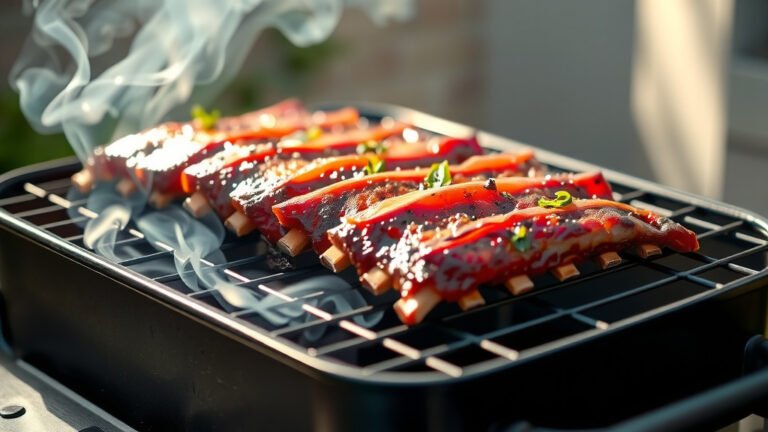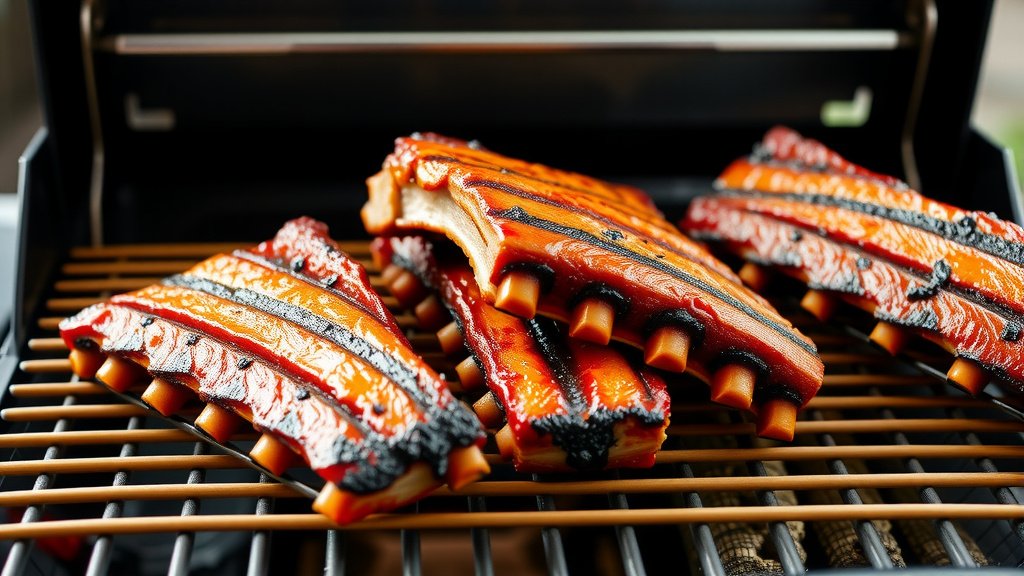
Cooking ribs fast on a gas grill involves creating distinct heat zones and often wrapping the ribs to trap moisture, ensuring tenderness in less time.
You can achieve delicious, tender ribs quickly by focusing on baby back ribs, prepping them well, and expertly managing your grill’s temperature settings for both searing and gentle cooking.
- For quick ribs, always pick smaller cuts like baby back ribs.
- Proper rib preparation, including membrane removal, makes a big difference.
- Setting up your gas grill with two heat zones is essential for speed.
- Wrapping ribs in foil with a little liquid really helps tenderize them faster.
- Use a meat thermometer to ensure your ribs are perfectly cooked, not over or underdone.
How To Cook Ribs Fast On Gas Grill?
To cook ribs fast on a gas grill, you will need to utilize a two-zone heat method combined with wrapping the ribs for steam-cooking. This approach significantly reduces the overall grilling time compared to traditional slow smoking.
Why Choose Fast Ribs on a Gas Grill?
Life moves fast, doesn’t it? Sometimes you crave those delicious ribs but simply don’t have hours to spare. Your gas grill is a fantastic tool for getting dinner on the table without the long wait.
We found that gas grills offer amazing temperature control, making quick cooking more predictable. It’s perfect for weeknight meals when time is tight.
Picking the Perfect Ribs for Speed
Want to speed up the process? Start with the right ribs. Baby back ribs are generally smaller and less fatty than spare ribs, so they cook faster.
Look for racks that are uniform in thickness. This helps them cook evenly. Many experts recommend selecting smaller racks for quicker results (Cleveland Clinic).
Prepping Your Ribs for Quick Cooking
Preparation is key for any speedy cooking method. First, remove the tough membrane from the back of the ribs.
Simply slide a knife under an edge, lift it, and peel it off with a paper towel. This step helps the rub penetrate better and makes the ribs more tender.
Apply your favorite dry rub generously. Giving the rub about 15-30 minutes to sit on the ribs can enhance the flavor before grilling begins.
Mastering Your Gas Grill for Ribs
Your gas grill is more versatile than you might think. For fast ribs, you need to create two distinct heat zones. This setup allows for searing and then gentler cooking.
Think of it like a kitchen oven and stovetop combined. You get both intense and moderate heat as needed.
Setting Up Your Two-Zone Grill
Turn one or two burners on high heat, depending on your grill size. Leave the other burners off.
This creates a direct heat zone for searing and an indirect zone for slow cooking. You want a grill temperature of around 300-325°F in the indirect zone.
The Sear-and-Slow Approach
Start your ribs over direct, high heat for a few minutes per side. This creates a beautiful crust and locks in juices.
After searing, move the ribs to the indirect heat zone. Close the lid and let them cook, monitoring the temperature carefully. This is where the magic happens.
The Power of the Foil Wrap
Wrapping your ribs in foil is a game-changer for speed and tenderness. After about 45-60 minutes on indirect heat, transfer the ribs to heavy-duty foil.
Add a splash of liquid inside the foil—apple juice, beer, or broth works well. Seal the foil tightly, creating a little steam packet. Return them to the indirect heat for another hour or so.
Achieving Perfect Rib Temperature
The goal is tender, not mushy, ribs. We found that aiming for an internal temperature around 195-203°F results in fall-off-the-bone tenderness (USDA recommends 145°F for pork, but ribs need higher for tenderness).
Use a reliable instant-read meat thermometer. Insert it into the thickest part of the meat, avoiding the bone. This ensures accurate readings every time.
Saucing Your Speedy Ribs
If you love saucy ribs, timing is key. Apply your favorite BBQ sauce during the last 15-20 minutes of cooking. This allows the sauce to caramelize without burning.
Remove the ribs from the foil before saucing them. Brush on the sauce and return them to indirect heat. For a little char, you can briefly move them back to direct heat, watching closely.
Quick Ribs Checklist for Success
- Choose baby back ribs.
- Remove the membrane.
- Apply your favorite dry rub.
- Set up two-zone heat on your grill.
- Sear briefly, then cook indirectly.
- Wrap in foil with liquid for tenderness.
- Monitor internal temperature closely.
- Apply sauce in the final minutes.
Common Mistakes and How to Fix Them
Getting perfect ribs takes a little practice. Sometimes ribs can turn out dry or tough. This often happens from overcooking or not enough moisture.
If your ribs are dry, consider adding more liquid to the foil next time. For tough ribs, they probably needed a little more time in the indirect heat or the foil wrap. Patience, even with fast ribs, pays off!
Advantages of Gas Grills for Rib Speed
Gas grills offer unmatched convenience and control. You can quickly adjust temperatures, which is a huge benefit when cooking something like ribs.
The consistent heat of a gas grill helps maintain that steady indirect cooking temperature. This removes much of the guesswork from fast rib cooking.
Exploring Other Speed-Up Tricks
Want to go even faster? Consider marinating your ribs overnight. Acidic marinades can help tenderize the meat before it even hits the grill.
Some people par-boil or steam ribs for a short time before grilling. This method pre-cooks them, drastically cutting down grill time. However, it can sometimes affect the depth of flavor.
Rib Type Comparison for Fast Grilling
Choosing the right ribs makes a difference in cooking time and texture. Here’s a quick comparison to help you decide.
| Rib Type | Typical Cook Time (Fast Method) | Tenderness Factor | Flavor Profile |
|---|---|---|---|
| Baby Back Ribs | 1.5 – 2.5 hours | Very Tender | Leaner, milder pork flavor |
| Spareribs (St. Louis Cut) | 2.5 – 3.5 hours | Moderately Tender | Richer, more robust pork flavor |
Conclusion
Cooking delicious ribs fast on a gas grill is entirely achievable with the right techniques. By choosing baby back ribs, prepping them well, and mastering your grill’s two-zone heat, you can enjoy tender, flavorful ribs in less time than you might think.
Remember to use the foil wrap for moisture and a meat thermometer for accuracy. You will be grilling up fantastic ribs for your family and friends in no time. Enjoy the process, and savor those wonderful, speedy ribs!
How do I know when fast-grilled ribs are done?
Your ribs are done when they reach an internal temperature of 195-203°F in the thickest part of the meat, away from the bone. The meat should pull back from the bone easily, and a skewer inserted into the meat should slide in with little resistance.
Can I use liquid smoke to get a smoky flavor on a gas grill?
Yes, you can add a smoky flavor to your ribs on a gas grill by adding a few drops of liquid smoke to the apple juice or other liquid you use when wrapping the ribs in foil. Another method is to use a smoker box with wood chips over indirect heat.
What kind of wood chips work best for ribs on a gas grill?
For ribs, hickory and applewood chips are popular choices. Hickory provides a strong, classic BBQ smoke flavor, while applewood offers a milder, sweeter smoke. Cherry wood is also a good option for a subtly fruity smoke profile.
My ribs turned out tough. What went wrong?
Tough ribs usually mean they haven’t cooked long enough, or they dried out. Ensure your grill temperature is consistent, and don’t skip the foil-wrapping step with some liquid. Cooking to the correct internal temperature of 195-203°F is essential for tenderness.
Should I let the ribs rest after grilling?
Yes, just like other meats, it’s a good idea to let your ribs rest for 10-15 minutes after removing them from the grill. This allows the juices to redistribute throughout the meat, resulting in a more moist and flavorful rib. Tent them loosely with foil during this time.