To cook prime rib on a pellet grill, begin with a low-temperature smoke around 225°F (107°C) until the internal temperature reaches about 120°F (49°C) for medium-rare.
Then, increase the grill temperature to 450-500°F (232-260°C) to sear the roast for 10-15 minutes, developing a beautiful crust before letting it rest.
For those eager to master prime rib on a pellet grill, here’s a quick overview:
- Select your roast carefully: A good quality prime rib is key.
- Season generously: A flavorful rub makes all the difference.
- Smoke low and slow: This tenderizes and infuses smoky flavor.
- Reverse sear for crust: A high-heat finish creates an irresistible exterior.
- Rest before slicing: Essential for juicy, tender results.
Have you ever dreamed of serving a perfectly cooked prime rib that melts in your mouth, complete with a savory, smoky crust? Your pellet grill can make that dream a reality. It’s a versatile tool that brings both smoky flavor and precise temperature control to your cooking.
You might think prime rib is only for special occasions. But with a pellet grill, it becomes less daunting and more achievable. Let’s walk through how to create a masterpiece that will wow your guests.
How To Cook Prime Rib On A Pellet Grill?
Cooking prime rib on a pellet grill involves a two-stage process: a long, low-temperature smoke for tender results, followed by a high-temperature sear for a caramelized crust.
This method, often called reverse searing, ensures your roast is evenly cooked from edge to edge while locking in juices.
Why Choose a Pellet Grill for Prime Rib?
A pellet grill offers remarkable temperature consistency, making it ideal for large cuts like prime rib. You set the temperature, and the grill holds it steady. This precision reduces the risk of overcooking.
Additionally, the wood pellets add a subtle smoky depth that traditional ovens simply cannot replicate. It’s a flavor profile that truly elevates the prime rib experience.
Selecting Your Prime Rib Roast
Choosing the right prime rib is your first step toward success. Look for a roast with good marbling – those tiny streaks of fat within the meat. Marbling translates to flavor and tenderness.
We found that a well-marbled roast yields the juiciest results. Don’t be shy about asking your butcher for guidance. They often have the best cuts available.
Bone-in vs. Boneless Cuts
Bone-in prime rib tends to cook a bit more evenly, and the bones add extra flavor. Plus, carving around the bone can be a presentation highlight.
Boneless roasts, however, are easier to carve and often cook slightly faster. Consider your preference for presentation and ease of slicing when making your choice.
Essential Prep Before Grilling
Before your prime rib hits the grill, a little preparation goes a long way. Allow the roast to sit at room temperature for about 1-2 hours before cooking. This helps it cook more evenly (USDA).
Patting the roast dry with paper towels is crucial. A dry surface helps the rub adhere better and promotes a superior crust during the sear.
Seasoning Your Roast
A simple yet effective rub is all you need to enhance the natural flavors of prime rib. Think beyond just salt and pepper. Here’s a classic blend we found to work exceptionally well:
- 1/4 cup coarse kosher salt
- 2 tablespoons fresh cracked black pepper
- 1 tablespoon garlic powder
- 1 tablespoon onion powder
- 1 teaspoon dried rosemary, crushed
- 1 teaspoon dried thyme
Apply this rub generously all over the roast, pressing it gently to ensure it sticks. Don’t hold back; prime rib can handle a bold seasoning.
Choosing the Right Wood Pellets
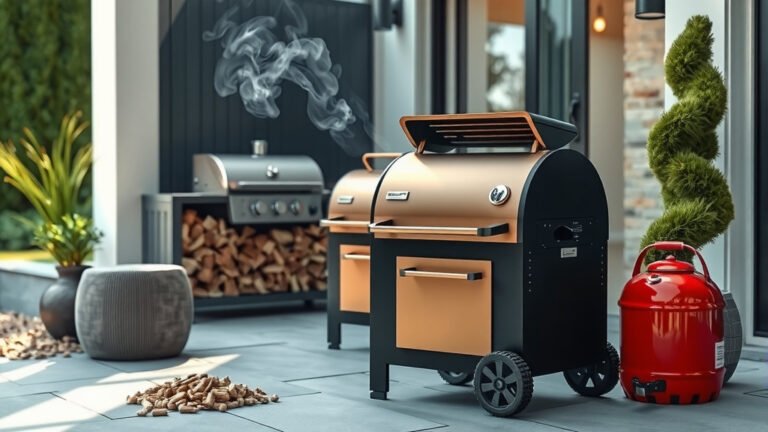
The type of wood pellets you use will impart different flavor notes to your prime rib. For a classic, balanced smoke, many experts recommend fruitwoods or milder hardwoods.
Consider pellets like oak, hickory, cherry, or pecan. Oak provides a mild, nutty flavor. Cherry adds a subtle sweetness and beautiful color. Hickory offers a stronger, traditional smoke. We found pecan to be a great middle-ground choice, adding a rich, buttery smoke flavor.
Setting Up Your Pellet Grill for Success
First, make sure your pellet hopper is full. The last thing you want is to run out of fuel mid-cook. Clean your grill grates to prevent sticking and ensure even heat distribution.
Preheat your pellet grill to a steady 225°F (107°C). This low temperature is essential for the slow smoking phase, allowing the meat to gently come up to temperature.
The “Low and Slow” Smoke Phase
Place your seasoned prime rib directly on the grill grates. Insert a reliable meat thermometer into the thickest part of the roast, avoiding any bone. This is your guide to perfect doneness.
Close the lid and let the grill work its magic. Expect this phase to take about 3-4 hours for a 5-7 pound roast, but always rely on temperature, not time.
Monitoring Internal Temperature
Your meat thermometer is your best friend here. It tells you when to move to the next step. Here’s a general guide for doneness, but remember, the roast will continue to cook slightly while resting:
| Doneness | Target Internal Temp (before sear) | Final Internal Temp (after rest) |
|---|---|---|
| Rare | 110-115°F (43-46°C) | 120-125°F (49-52°C) |
| Medium-Rare | 118-120°F (48-49°C) | 125-130°F (52-54°C) |
| Medium | 128-130°F (53-54°C) | 135-140°F (57-60°C) |
For a perfect medium-rare, pull your prime rib when it hits about 118-120°F (48-49°C). This gives it room to rise during the sear and rest.
Achieving That Perfect Reverse Sear
Once your prime rib reaches its target internal temperature, remove it from the grill. Increase your pellet grill’s temperature to its highest setting, usually 450-500°F (232-260°C).
Once the grill is hot, return the prime rib to the grates. Sear it for about 10-15 minutes, flipping it once or twice, until a deep, crusty brown forms on all sides. This creates the appealing texture and extra flavor.
The Crucial Resting Period
Do not skip this step! Once seared, immediately remove the prime rib from the grill and loosely tent it with foil. Let it rest for at least 20-30 minutes, or even up to 45 minutes for larger roasts.
During this time, the internal temperature will continue to rise slightly (carryover cooking), and the juices will redistribute throughout the meat. This ensures every slice is incredibly juicy and tender.
Slicing and Serving Your Masterpiece
After resting, it’s time to carve. Use a sharp carving knife. If you have a bone-in roast, carefully slice the meat away from the bones first.
Then, slice the prime rib against the grain into desired thickness. Serving it immediately allows everyone to enjoy its warmth and rich flavor. Don’t forget any pan juices or a complementary sauce!
Prime Rib Checklist for Success
Want a foolproof prime rib every time? Here’s a quick checklist:
- Choose a well-marbled roast.
- Allow roast to come to room temperature.
- Pat dry and apply a generous rub.
- Use a reliable leave-in meat thermometer.
- Follow the low and slow smoke then high heat sear method.
- Always rest the meat properly after cooking.
Conclusion
Cooking prime rib on a pellet grill might seem intimidating at first, but with the right technique, it becomes a rewarding experience. The combination of smoky flavor, precise temperature control, and that glorious reverse-seared crust creates an unforgettable meal.
You’ll be proud to serve a perfectly cooked, juicy prime rib that tastes like it came from a five-star restaurant. So, fire up your pellet grill, follow these steps, and prepare to impress!
FAQ: How long does it take to cook prime rib on a pellet grill?
The cooking time for prime rib on a pellet grill largely depends on the roast’s size and your desired doneness, not just a set time. For a 5-7 pound roast cooked to medium-rare, the low-and-slow smoke phase can take about 3-4 hours at 225°F (107°C), plus 10-15 minutes for searing and a 20-30 minute rest. Always rely on an internal meat thermometer for accuracy rather than a strict timeline.
FAQ: What is the best internal temperature for medium-rare prime rib?
For a perfect medium-rare prime rib, we found the best approach is to pull the roast from the smoker when its internal temperature reaches 118-120°F (48-49°C) before the high-heat sear. After searing and a vital resting period, the temperature will rise to the ideal 125-130°F (52-54°C) range, ensuring juicy, pink results.
FAQ: Should I sear prime rib before or after smoking?
When cooking prime rib on a pellet grill, it’s best to sear it after smoking, a technique known as reverse searing. Smoking first at a low temperature ensures the meat cooks evenly and absorbs smoky flavors. The final high-heat sear then creates a delicious, crispy crust without overcooking the interior, providing a superior texture and flavor contrast.
FAQ: What kind of wood pellets are best for prime rib?
For prime rib, milder, sweeter wood pellets often complement the rich beef flavor without overpowering it. Many grilling enthusiasts prefer oak, cherry, pecan, or a blend of these. Oak provides a clean, mild smoke, while cherry adds a slight sweetness and can contribute to a beautiful exterior color. Pecan offers a rich, nutty, and buttery smoke flavor that pairs wonderfully with beef.
FAQ: Can I cook a frozen prime rib on a pellet grill?
While technically possible, cooking a frozen prime rib on a pellet grill is not recommended for optimal results or food safety. A frozen roast will cook unevenly, taking significantly longer, and it will be difficult to achieve the desired doneness and crust. It’s always best to fully thaw your prime rib in the refrigerator for several days before preparing it for the grill to ensure even cooking and quality.