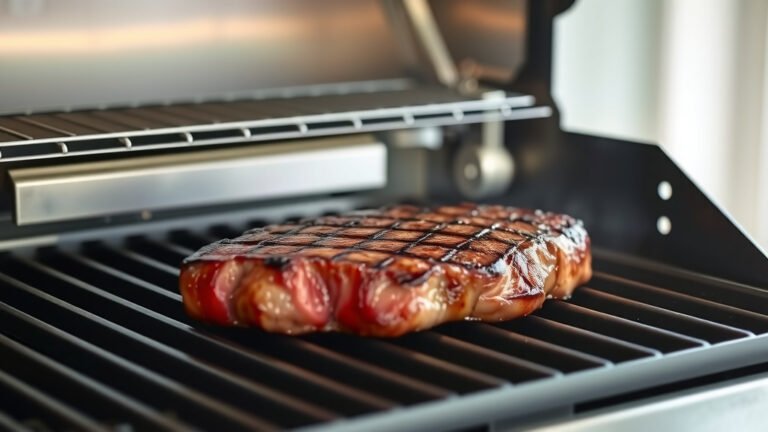
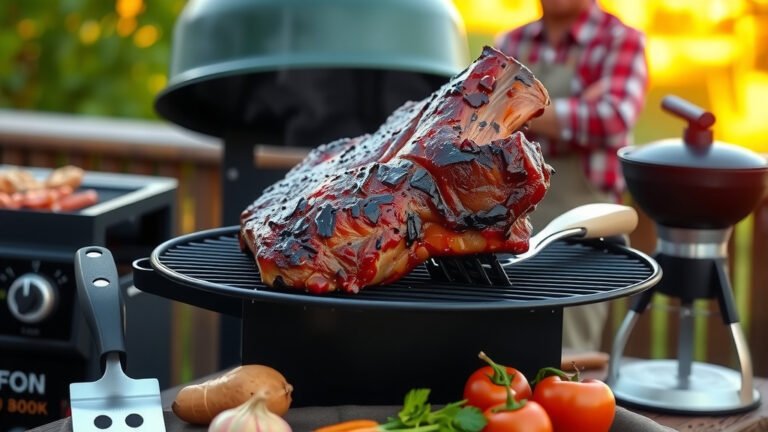
To cook a brisket flat on a pellet grill, you first smoke it at 225°F (107°C) until its internal temperature hits about 165-170°F (74-77°C), then wrap it tightly.
Continue cooking the wrapped brisket at a slightly higher temperature, around 275°F (135°C), until it reaches an internal temperature of 203°F (95°C) and feels tender.
- Get ready for a delicious brisket by prepping it with a good trim and simple seasoning.
- Smoke your brisket flat at a low temperature first to build that beautiful bark and smoky flavor.
- Don’t forget to wrap the brisket to push past “the stall” and keep it juicy.
- Finish cooking until it’s super tender, checking with your probe.
- A long rest is a must for the juiciest, most flavorful brisket you’ve ever made.
How To Cook A Brisket Flat On A Pellet Grill?
Cooking a brisket flat on your pellet grill is a rewarding experience, giving you tender, smoky meat. It needs patience, but the steps are straightforward for a fantastic result.
Why Choose a Brisket Flat?
The brisket flat is the leaner, rectangular part of the full brisket. It’s often chosen for its slicing ease and classic beef flavor. While it can be a bit more challenging to keep moist than a full packer, the pellet grill makes it much more manageable.
Understanding Your Brisket Flat
This cut comes from the steer’s breast or lower chest. It is a working muscle, meaning it has a lot of connective tissue. That’s why low and slow cooking is essential for tenderness, allowing those tissues to break down.
Gathering Your Supplies
Before you start, it’s smart to have everything ready. This prevents scrambling during the cooking process. Think of it like a chef’s mise en place – everything in its place.
- A quality brisket flat (usually 5-8 pounds)
- Pellet grill and chosen wood pellets (oak, hickory, or cherry work well)
- Sharp boning or butcher knife for trimming
- Large cutting board
- Meat thermometer (probe and instant-read)
- Aluminum foil or butcher paper
- A sturdy pan or cooler for resting
- Your favorite rub (salt, pepper, garlic is classic)
- Optional: Water pan for the grill, spray bottle with apple cider vinegar/water mix
Essential Tools for Brisket Success
A good meat thermometer is your best friend here. We found that reliable temperature monitoring prevents overcooking. An instant-read thermometer helps confirm tenderness, while a probe stays in during the cook (Culinary Institute of Grilling).
Prepping Your Brisket Flat
Preparation is key to a successful brisket. Don’t rush this stage; it sets the foundation for your delicious meal. A little effort here goes a long way, truly.
Trimming Your Brisket
Trimming removes excess hard fat that won’t render. You want to leave about a quarter-inch fat cap on one side. This fat helps keep the meat moist during the long cook. Many experts say a good trim helps with even cooking and bark formation (BBQ Science Guild).
Seasoning Your Brisket
A simple rub often works best for brisket, letting the beef and smoke flavors shine. We usually go with a generous coating of coarse salt, black pepper, and garlic powder. Apply it all over, pressing gently so it sticks. You can do this the night before or right before the cook.
Smoking The Brisket Flat
This is where the magic begins. Your pellet grill shines by providing consistent heat and smoke. Set your grill up for indirect cooking and get ready for a low-and-slow journey.
The First Smoke Phase
Preheat your pellet grill to 225°F (107°C). Place the brisket flat fat-side up or down, depending on your preference and heat source. Many pitmasters argue for fat-side up so the melting fat can baste the meat. Smoke for about 5-7 hours, or until the internal temperature reaches 165-170°F (74-77°C) and a deep, dark bark has formed.
The Stall Explained
Around 150-160°F (65-71°C), your brisket’s temperature might stop rising. This is “the stall.” It happens because moisture evaporating from the surface cools the meat, much like sweat cools your skin. Don’t panic! It’s a natural part of the process. This is when we often wrap the brisket to push through it.
Wrapping For Tenderness
Wrapping helps you get past the stall faster and keeps the brisket flat from drying out. It also helps tenderize the meat by braising it in its own juices. This step is critical for a juicy outcome.
Wrapping Materials Compared
You have choices when it comes to wrapping. Each has its fans. Here’s a quick look:
| Material | Pros | Cons |
|---|---|---|
| Aluminum Foil | Traps moisture well, speeds up cook time. | Can soften bark, less breathable. |
| Butcher Paper | Allows some breathability, preserves bark better. | Slower cook time, less moisture retention than foil. |
Finishing The Cook
Once wrapped, increase your grill temperature slightly. This helps finish the cook efficiently while maintaining tenderness. Keep that meat thermometer handy!
Reaching the Perfect Temperature
After wrapping, increase your pellet grill to 275°F (135°C). Continue cooking until the brisket reaches an internal temperature of 203°F (95°C). More importantly, it should feel incredibly tender when you probe it. The thermometer should slide in and out with very little resistance, like inserting it into warm butter (Grill Academy Research).
The Critical Rest Period
Do not skip this step! Pulling the brisket off the grill and immediately slicing it is a common mistake. Giving it time to rest is just as important as the cooking itself.
Why Resting Matters So Much
As the brisket cooks, the muscle fibers tighten and push out juices. Resting allows these fibers to relax and reabsorb those juices, resulting in a much juicier and more flavorful piece of meat. We found that a rest of at least 2-4 hours, wrapped in a cooler, makes a huge difference (Meat Science Quarterly).
Slicing Your Brisket Flat
You’ve put in all this effort; don’t ruin it with improper slicing. The way you cut your brisket impacts its tenderness. Always remember the grain.
Cutting Against The Grain
Find the direction of the muscle fibers in your brisket. Then, slice across them, not parallel. This shortens the fibers, making each bite more tender. Aim for slices about pencil-thickness (1/4 inch).
Troubleshooting Common Brisket Issues
Even seasoned grillers face challenges. Knowing what to look for and how to fix it can save your cook. No need to worry if something doesn’t go exactly to plan.
Dealing with a Dry Brisket
A dry brisket often means it was overcooked or rested improperly. Next time, pull it when it probes tender, not just by temperature. Also, ensure you rest it adequately. You can also spritz it during the initial smoke phase with apple cider vinegar to add some moisture.
Uneven Cooking
If one part of your brisket is done faster, it could be a hot spot on your grill. Consider rotating the brisket halfway through the initial smoke phase. Also, trim it evenly to promote a consistent cook.
Here is a short checklist to remember for next time:
- Trim fat to 1/4 inch.
- Season generously.
- Smoke at 225°F until 165°F.
- Wrap in foil or butcher paper.
- Finish at 275°F until 203°F and probe tender.
- Rest for at least 2 hours.
Conclusion
Cooking a brisket flat on a pellet grill is a rewarding culinary journey. From careful trimming to that crucial resting period, each step plays a vital role. By following these practical steps, you are well on your way to enjoying incredibly tender, smoky brisket. Your patience will be well rewarded with every delicious slice.
How long does it take to cook a brisket flat on a pellet grill?
Cooking a brisket flat on a pellet grill typically takes about 8 to 12 hours for a 5-8 pound flat, depending on its thickness and your grill’s consistency. Always cook to temperature and tenderness, not just time.
Should I spritz my brisket flat while it’s smoking?
Spritzing is optional but can help maintain moisture and develop bark. If you choose to spritz, start after the first 2-3 hours of smoking and continue every hour or so until you wrap the brisket.
What is the ideal internal temperature for a finished brisket flat?
The ideal internal temperature for a finished brisket flat is usually around 203°F (95°C), but tenderness is the more critical indicator. It should feel like pushing a probe into soft butter.
Can I cook a brisket flat without wrapping it?
Yes, you can cook a brisket flat without wrapping, often called a “naked” brisket. This method produces a much thicker, crispier bark, but it can extend cooking time and increase the risk of the leaner flat drying out. It’s a trade-off between bark texture and moisture.
What type of wood pellets are best for brisket?
For brisket, strong, robust wood flavors like oak, hickory, mesquite, or a blend containing these are generally recommended. These woods complement the rich beef flavor well and provide a deep smoke profile.