How to Check a Propane Tank Level?
On this page (8 sections)
You can check your propane tank level using a few easy methods. One popular way is using a simple water test. Wet the side of the tank with warm water, and you’ll often feel a temperature difference where the propane is. This happens because the liquid propane cools the tank as it evaporates. For a more exact reading, you can use a magnetic gauge or a digital scale.
Knowing your propane level prevents unexpected run-outs, especially when you need it most. Whether you’re grilling, heating your home, or powering an appliance, an empty tank can be a real inconvenience. Many common household appliances run on propane. Keeping an eye on your levels helps ensure you always have enough fuel.
- Use warm water to find the fill line.
- Magnetic gauges stick to the tank for readings.
- Digital scales offer precise weight measurements.
- Check your level before it gets too low.
- Avoid running out of propane unexpectedly.
Let’s walk through exactly how each of these methods works, so you can pick the best one for your situation.
Figuring Out Your Propane Tank’s Fuel Level
It’s a common question: “How much propane is actually left in my tank?” You don’t want to run out mid-burger-flip or during a chilly evening. Luckily, checking your propane level is simpler than you might think. We’ve found several methods that range from quick visual cues to more precise measurements.
Think of it like checking the gas in your car. You wouldn’t wait until the light comes on to find out how much you have left, right? The same logic applies to your propane tanks, whether they’re for your grill, RV, or home heating. We’ll guide you through the most effective ways to keep tabs on your fuel supply.
The Warm Water Trick: A Simple Propane Gauge
This is often the go-to method because it requires no special tools. It’s a bit like magic, but it’s just basic science at play.
How the Warm Water Method Works
Liquid propane inside the tank absorbs heat from its surroundings. When you pour warm water over the tank’s exterior, it cools the metal. This cooling happens because the liquid propane inside evaporates, turning into gas. This process uses energy, and it pulls that energy (heat) from the tank wall. This makes the part of the tank containing liquid propane feel colder.
Step-by-Step Guide to the Water Test
Here’s what you need to do. First, grab a container of warm water. Not boiling, just comfortably warm to the touch. You’ll also want a clean rag or towel.
- Pour a small amount of warm water down the side of the propane tank.
- Let it run down.
- Feel the tank with your hand as the water flows.
- You’ll notice a distinct temperature difference. The area below the liquid propane level will feel cooler than the empty space above it.
The line where the temperature changes is your approximate fuel level. It’s a quick and easy visual and tactile check that most people can do in a minute. We found this method to be surprisingly accurate for everyday checks.
Why This Method is Popular
Its biggest advantage is its simplicity and low cost. You likely already have warm water and a rag. It doesn’t require any batteries or complex parts. Many experts suggest this as a good first step for a quick check (HomeSaftey.org).
Using a Magnetic Propane Gauge
For a slightly more hands-on, but still simple, approach, magnetic gauges are a great option. These little gadgets stick right onto your tank.
What is a Magnetic Gauge?
A magnetic gauge is a small strip, usually made of a heat-sensitive material. It has a backing that allows it to be firmly attached to the metal surface of your propane tank. Similar to the water test, it relies on temperature changes to indicate the fuel level.
How to Use a Magnetic Gauge
Using one is straightforward. Ensure the side of your propane tank is clean and dry for best adhesion.
- Peel off the adhesive backing if it has one, or simply press the magnetic side firmly onto the tank.
- Place it on the side of the tank, usually in the middle section.
- Wait a few minutes. The gauge will display different colors or patterns in sections.
- The section that turns a specific color (often dark blue or black) indicates the liquid propane level. The area above it will remain its original color.
We found that these gauges offer a slightly more defined reading than the water method, especially on larger tanks. They provide a visual cue that’s easy to understand at a glance. Many users find them more convenient for frequent checks.
Benefits and Considerations
Magnetic gauges are reusable and can be moved between tanks. They don’t require batteries. However, they can sometimes be less accurate in extreme temperatures. Also, they need to be placed correctly on the tank to work effectively. Some users report that they can lose their magnetism over time.
The Digital Scale Method: Precision Fuel Measurement
If you need the most accurate reading possible, a digital scale is your best bet. This method measures the actual weight of the propane in your tank.
Understanding Propane Tank Weights
Propane tanks have a tare weight, often called TW, stamped on them. This is the weight of the empty tank. The gross weight is the maximum weight the tank can hold when full. By knowing these weights, you can calculate how much propane you have left.
How to Use a Digital Scale
This method requires a reliable digital scale. You’ll need to know your tank’s empty (tare) weight and its full (gross) weight.
- First, weigh your propane tank. Make sure the scale is on a flat, stable surface.
- Record the current weight of the tank.
- Subtract the tank’s tare weight from the current weight. This gives you the weight of the propane currently in the tank.
- To find the percentage remaining, divide the current propane weight by the maximum propane weight (gross weight minus tare weight).
- Multiply by 100 to get the percentage.
For example, if your tank’s tare weight is 20 lbs and its gross weight is 45 lbs (meaning it holds 25 lbs of propane), and you weigh it at 35 lbs, you have 15 lbs of propane left (35 – 20 = 15). This is 60% full (15 lbs / 25 lbs * 100 = 60%). Many sources, like the National Propane Gas Association, recommend keeping tanks at least 20% full to avoid issues.
Advantages of Using a Scale
This is by far the most accurate method. It eliminates guesswork and provides a precise figure. It’s particularly useful for larger tanks or for situations where you need to know the exact amount of fuel remaining, such as for long-term storage or critical applications. You can even find scales specifically designed for weighing propane tanks, making the process easier.
Drawbacks to Consider
The main drawbacks are cost and portability. Digital scales can be expensive, and carrying a large scale to a gas station for refills might be inconvenient. Also, you need to be careful to ensure the scale is calibrated correctly and the tank is balanced on it.
Other Indicators and Tips
While the above methods are the most common, other things can give you clues about your propane level.
Visual Inspection of Fuel Gauges
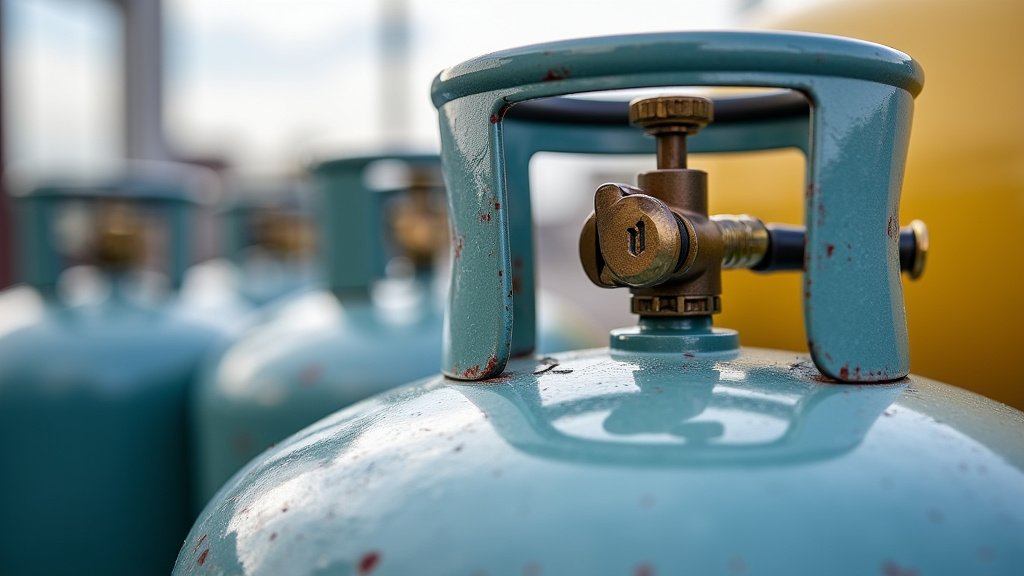
Some propane tanks, especially larger ones for home heating or RVs, come with built-in fuel gauges. These are usually small dials or digital displays located on the tank valve. They provide a direct reading of the propane level, similar to a car’s fuel gauge. However, these can sometimes be inaccurate or get stuck, so it’s good to have a backup check method.
The “Listen and Shake” Method (Use with Caution!)
This is less scientific and generally not recommended by experts, but some people try it. You can try to gently shake the tank and listen for a sloshing sound. A heavier, sloshing sound might indicate more liquid propane. However, this is highly unreliable and difficult to interpret accurately. We found very little support for this method in any reputable resources, so consider it a last resort only.
When to Get a Refill
It’s wise to plan for a refill when your tank is around 20% full. This gives you a buffer and prevents the inconvenience of running out unexpectedly. Always check your tank levels before a big event, like a holiday cookout or when expecting cold weather. Many suppliers offer delivery services, so scheduling in advance is key.
Quick Propane Level Check Checklist
Here’s a quick summary to help you remember the best ways to check your propane level:
- Have warm water and a rag ready for the water test.
- Clean the tank side for good adhesion if using a magnetic gauge.
- Know your tank’s tare and gross weights for scale accuracy.
- Check levels when around 20% full.
- Inspect built-in gauges regularly.
- Schedule refills in advance to avoid running out.
Conclusion
You’ve learned several effective ways to check your propane tank level, from the simple warm water trick to precise digital scales. Knowing your fuel level helps you avoid inconvenient run-outs, especially during critical times. Whether you prefer a quick check or a detailed measurement, there’s a method that fits your needs. Always aim to refill your tank when it’s around 20% full to ensure you have plenty of fuel. Take a moment today to try one of these methods and stay prepared for your next cookout or chilly evening.
Frequently Asked Questions
How often should I check my propane tank level?
It’s a good practice to check your propane tank level regularly, especially before important events like a holiday barbecue or when cold weather is expected. For tanks used frequently, a quick check once a week or every other week is wise. For less frequent use, check it before each time you plan to use it.
Can I check the propane level on a small grill tank?
Yes, all the methods discussed – the warm water trick, magnetic gauges, and even digital scales (for smaller scales) – work well on small grill tanks. The warm water test is particularly easy and requires no special equipment for these common tanks.
Are built-in fuel gauges on propane tanks reliable?
Built-in fuel gauges can give you a quick indication, but they aren’t always perfectly accurate. They can sometimes stick or be affected by temperature fluctuations. It’s best to use them as a general guide and confirm with another method, like the warm water test, if you need a more precise reading.
What’s the best way to check propane levels in very cold weather?
In cold weather, the warm water method might be less effective because the ambient temperature can impact the temperature difference. Using a magnetic gauge or a digital scale would provide more reliable readings. If your tank has a built-in gauge, check that, but consider verifying with a scale if possible.
Why is it important not to let my propane tank run completely empty?
Letting a propane tank run completely empty can cause several issues. Air can enter the lines, which will require bleeding the system before you can use your appliance again. For some systems, completely emptying the tank can also damage components. Keeping a buffer of fuel prevents these hassles. If the tank still will not supply fuel, see our propane tank troubleshooting guide.