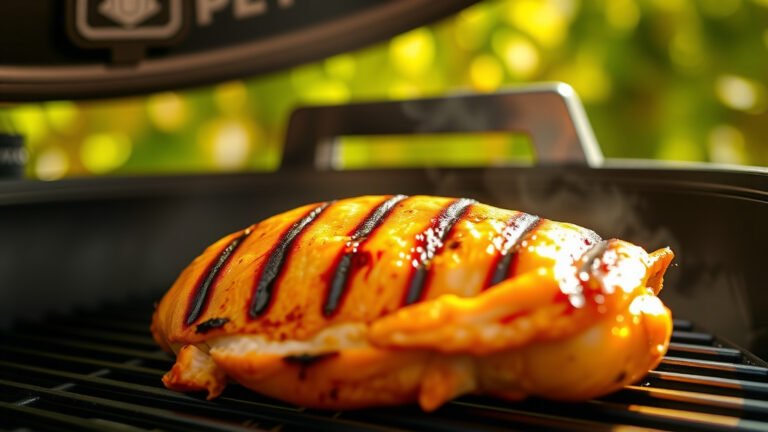
To charcoal grill a turkey, you’ll want to set up your grill for indirect heat, maintaining a steady temperature between 300-350°F (150-175°C), and cook until the deepest part of the thigh reaches 165°F (74°C).
Achieving a wonderfully juicy and flavorful charcoal-grilled turkey means preparing your bird properly, managing your charcoal carefully, and always monitoring the internal temperature.
Here’s a quick overview of what you’ll learn in this guide:
- Discover why charcoal grilling offers unmatched flavor.
- Get a handy checklist for your grilling adventure.
- Learn the best ways to prepare your turkey, from thawing to seasoning.
- Master setting up your charcoal grill for perfect indirect heat.
- Understand key temperature points and how long to cook your turkey.
How To Charcoal Grill A Turkey?
Charcoal grilling a turkey is a fantastic way to infuse rich, smoky flavor and achieve a wonderfully moist bird. It involves indirect heat cooking, careful temperature management, and a bit of patience.
Why Charcoal for Your Turkey?
Many home cooks shy away from grilling a whole turkey, thinking it is too complex. But charcoal grilling opens up a world of flavor you just cannot get from an oven. Are you ready for some compliments at the dinner table?
The Flavor Factor
There’s a special magic in charcoal smoke. It gives your turkey a depth of flavor that is hard to beat. The subtle smokiness complements the rich turkey meat beautifully. It truly transforms your meal.
Even Cooking Benefits
When set up right, a charcoal grill provides a very even heat. This helps your turkey cook uniformly, reducing dry spots. We found that indirect heat on charcoal leads to consistent results (AmazingRibs.com).
Your Essential Turkey Charcoal Grill Checklist
Before you even think about lighting a single briquette, let’s gather your tools. Having everything ready makes the process smooth and enjoyable. Nobody wants to scramble mid-cook, right?
- A sturdy charcoal grill with a lid (a large kettle grill works great).
- High-quality lump charcoal or briquettes.
- A reliable meat thermometer (digital instant-read is best).
- A large drip pan (aluminum foil pans are convenient).
- Long-handled tongs and a charcoal chimney starter.
- Heat-resistant gloves.
- Wood chunks or chips for extra smoke flavor (optional).
- Your turkey, thawed and ready.
Prepping Your Turkey for the Grill
Preparation is key to a successful turkey cook. A well-prepped bird cooks more evenly and tastes much better. Think of it as laying the groundwork for a delicious masterpiece.
Thawing Safely
First things first: your turkey must be completely thawed. A frozen bird will cook unevenly and take much longer. We found that slow thawing in the refrigerator is the safest method (USDA). Allow about 24 hours for every 4-5 pounds of turkey.
To Brine or Not to Brine?
Brining can make a huge difference in moisture and flavor. A wet brine involves soaking the turkey in a salt solution. A dry brine means rubbing it with salt and herbs. Many experts say that brining prevents dryness, especially for grilling.
Seasoning for Success
Once thawed and brined (if you choose), it’s time to season. A simple rub of salt, pepper, garlic powder, and herbs works wonders. You can also add butter or oil under the skin for extra moisture and crispy skin. Don’t forget to season the cavity too!
Setting Up Your Charcoal Grill for Turkey
This is where the magic of indirect heat comes in. You are not cooking directly over the coals. Instead, you are creating an oven-like environment within your grill. It’s smart cooking!
The Indirect Heat Method
To set up for indirect heat, you’ll place your charcoal on one or both sides of the grill. Leave the center empty. This empty space is where your turkey will sit. A drip pan goes in the center to catch juices and prevent flare-ups. This method ensures gentle, even cooking.
Charcoal Arrangement & Temperature Control
Start a good amount of charcoal in your chimney starter. Once they are glowing and covered in ash, arrange them for indirect cooking. For a kettle grill, form two piles on opposite sides. For larger grills, you might spread them out more. Aim for a consistent grill temperature of 300-350°F (150-175°C). You will add more coals every hour or so to maintain this heat.
Grilling Your Turkey: Step-by-Step
Now, the real fun begins! Grilling a turkey is a continuous process of monitoring and adjusting. But do not worry, we’re here to guide you through each step. You’ve got this!
Starting the Cook
Once your grill is at temperature and your drip pan is in place, carefully place your turkey on the grate, directly over the drip pan. Close the lid immediately. Ensure your grill vents are open enough to maintain your desired temperature. We found that a good starting point for vents is halfway open.
Maintaining Grill Temperature
This is arguably the most crucial part. You will need to add new hot coals throughout the cooking process. Plan to add about 10-15 new coals to each side every hour. Use a grill thermometer to keep track of the internal grill temperature. Slight adjustments to the top and bottom vents can help control the heat flow. Opening vents increases heat, closing them reduces it.
Monitoring Internal Temperature
The only reliable way to know when your turkey is done is by using a meat thermometer. Insert it into the deepest part of the thigh, without touching the bone. Many guidelines point to checking the temperature regularly, starting around two-thirds of the estimated cooking time (USDA).
Here’s a general guide for turkey cooking times:
| Turkey Weight | Approximate Grill Time (325°F) |
|---|---|
| 10-12 lbs | 2.5 – 3 hours |
| 12-14 lbs | 3 – 3.5 hours |
| 14-16 lbs | 3.5 – 4 hours |
| 16-18 lbs | 4 – 4.5 hours |
Remember, these are estimates; your thermometer is your best friend!
When Is Your Turkey Done?
The moment of truth! Knowing exactly when your turkey is perfectly cooked means a juicy bird, every single time. There is no guessing game here; it is all about the numbers.
The Magic Number: 165°F
Your turkey is fully cooked when the internal temperature reaches 165°F (74°C) in the deepest part of the thigh. Also check the thickest part of the breast. It should also reach 165°F. Do not rely on pop-up timers; they can be inaccurate. A good instant-read thermometer will give you confidence.
Resting Your Perfectly Grilled Turkey
After all that effort, do not skip this vital step. Resting allows the juices to redistribute throughout the meat. This means a juicier, more flavorful turkey for everyone. It is a moment of calm before the carving storm.
Once your turkey hits 165°F, remove it from the grill and loosely tent it with foil. Let it rest for at least 20-30 minutes. This patience pays off handsomely. You will notice a big difference in the final product.
Troubleshooting Common Charcoal Turkey Issues
Even seasoned grill masters encounter a hiccup now and then. Knowing how to handle common problems can save your meal. A little problem-solving goes a long way!
Flare-Ups & Dryness
Flare-ups usually happen when fat drips directly onto hot coals. Your drip pan should prevent most of these. If one occurs, close your grill lid for a moment to starve the flame of oxygen. For dryness, remember that brining is your best defense. Basting can also help, but keep the lid open as little as possible.
Uneven Cooking
If one side of your turkey seems to be cooking faster, try rotating the bird on the grill. This helps ensure all sides get similar heat exposure. Sometimes, adjusting the charcoal arrangement can also help balance the heat across the grill. A good rule of thumb: rotate your turkey halfway through the estimated cook time.
Conclusion
Charcoal grilling a turkey is a rewarding experience that yields incredible flavor and a truly memorable meal. By following these steps – from careful preparation and precise grill setup to vigilant temperature monitoring – you are set to achieve a perfectly cooked, juicy, and smoky turkey. Embrace the process, trust your thermometer, and enjoy the delicious results of your efforts!
How do I prevent my charcoal-grilled turkey from drying out?
The best way to prevent your charcoal-grilled turkey from drying out is to brine it before cooking and use a drip pan filled with water or broth under the turkey to add moisture to the grill environment.
What kind of charcoal is best for grilling a turkey?
Both lump charcoal and charcoal briquettes can work well. Lump charcoal burns hotter and cleaner, offering a more natural smoky flavor, while briquettes provide a more consistent burn time and temperature.
Should I flip or turn the turkey on the grill?
You generally do not need to flip the turkey, but rotating it halfway through the cooking process can help ensure even cooking, especially if your grill has hot spots. Keep the lid closed as much as possible.
Can I add wood chips for extra smoke flavor?
Absolutely! Adding wood chunks or chips (like hickory, apple, or pecan) to your hot coals will infuse extra smoky flavor into your turkey. Soak wood chips for 30 minutes before adding them to prevent them from burning too quickly.
What’s the ideal internal temperature for a grilled turkey?
The ideal internal temperature for a grilled turkey is 165°F (74°C) when measured in the deepest part of the thigh and breast, without touching any bone. Always use a reliable meat thermometer for accuracy.