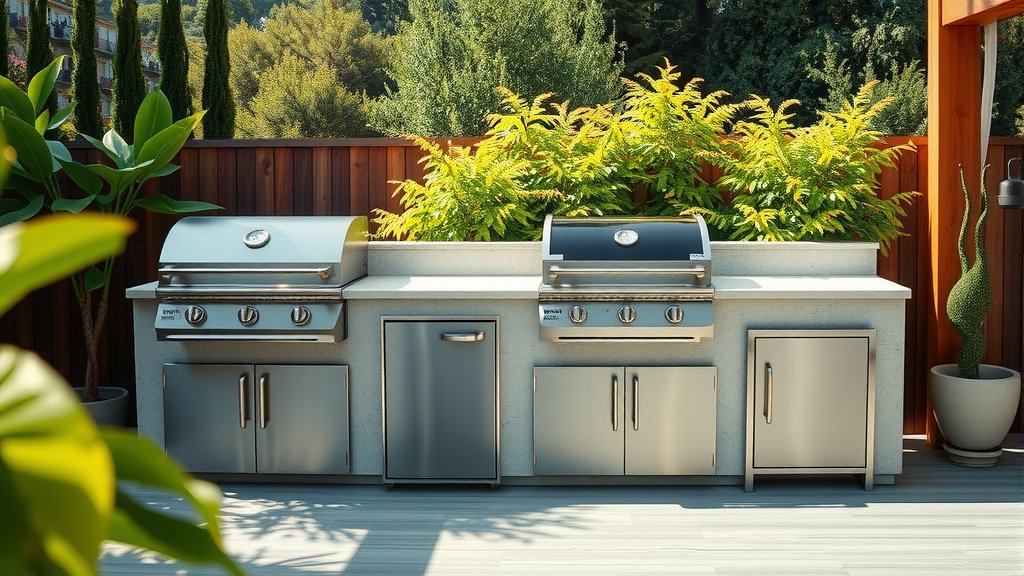
Building an outdoor grill island involves careful planning, a solid foundation, framing, and integrating your chosen appliances and finishes. It’s a rewarding DIY project that enhances your outdoor living space.
To successfully build an outdoor grill island, you will need to consider your budget, materials, utility hookups, and local building codes for a safe and functional setup.
Here’s a quick look at what we will cover for your grill island project:
- Understand the benefits of building your own outdoor grill island.
- Learn how to plan your project from location to budget.
- Discover the best materials and appliances for your design.
- Get a clear, step-by-step guide for construction.
- Find out about utility connections and essential safety tips.
How To Build An Outdoor Grill Island?
You can build an outdoor grill island by following a structured plan, starting with design and ending with utility connections and final touches. It needs attention to detail for both safety and enjoyment.
Why Build Your Own Outdoor Grill Island?
Creating your own outdoor grill island can transform your backyard into a fantastic entertainment zone. Imagine hosting friends and family with everything at your fingertips. It truly adds a new dimension to outdoor cooking.
Boost Your Outdoor Living Space
An outdoor grill island creates a dedicated cooking and prep area, much like an indoor kitchen. This makes outdoor entertaining much easier and more enjoyable. You will love having a place for all your grilling tools and ingredients.
Increase Home Value
Research suggests that well-designed outdoor living spaces can add significant value to your home (National Association of Realtors). A custom grill island is a desirable feature for many potential buyers. It shows off thoughtful additions to your property.
Essential Planning Steps
Before you even pick up a tool, careful planning is absolutely key. This ensures your project goes smoothly and the final result meets all your expectations. Don’t rush this crucial stage.
Choosing the Perfect Location
Where will your grill island live? Think about proximity to your house, prevailing winds, and sunlight exposure. You’ll want it somewhere convenient but also safe from flammable structures. Many building codes require specific clearances from your home.
Budgeting Your Grill Island Project
Setting a realistic budget from the start helps you make informed decisions about materials and appliances. Consider all costs, from the foundation to the final finishes. Unexpected expenses can crop up, so plan for a little wiggle room.
Material Costs
The materials you choose will greatly affect your overall budget. For instance, stone veneers are generally more expensive than stucco or concrete board. We found that pricing varies widely by region and supplier, so always get multiple quotes.
Appliance Investments
Your grill, side burners, and any refrigeration units are often the biggest single cost. High-quality appliances last longer and perform better. Consider features you truly need versus those that are just nice to have.
Designing Your Dream Island
This is where your vision comes to life on paper! Sketch out your ideas, considering the size, shape, and what appliances you want to include. A good design will guide every step of your construction.
Selecting the Right Materials
Materials need to be durable, weather-resistant, and aesthetically pleasing. You want something that will stand up to the elements and complement your home’s exterior. Here’s a quick comparison:
| Material Type | Pros | Cons |
|---|---|---|
| Stucco | Affordable, versatile, easy to apply. | Can crack, needs regular sealing. |
| Stone Veneer | Luxurious look, very durable, low maintenance. | Higher cost, more difficult installation. |
| Concrete Board | Fire-resistant, stable base for finishes, budget-friendly. | Needs a finish layer, not decorative on its own. |
| Stainless Steel | Modern, very durable, easy to clean, weather-proof. | Higher cost, can show fingerprints. |
Integrating Your Appliances
Ensure your design accounts for the specific dimensions of your grill, refrigerator, and storage doors. Proper ventilation for gas grills is non-negotiable for safety. Consult your grill’s manual for recommended clearances and venting needs.
Gathering Your Tools and Materials
Once your design is firm, it is time to collect everything you will need. Having all your tools and materials ready before starting will save you time and frustration. A little preparation goes a long way here.
Key Tools You Will Need
Think about what you will need for cutting, fastening, leveling, and measuring. A good set of basic tools makes any DIY project easier. Don’t forget safety gear!
- Tape Measure and Level
- Circular Saw or Angle Grinder
- Drill and Fasteners
- Trowel and Mortar Mixer (if using masonry)
- Safety Glasses and Gloves
Common Building Materials
Based on your design, you might need framing lumber, cement board, concrete mix, rebar, or stone veneer. Always purchase a little extra material for potential mistakes or future repairs. It’s better to have too much than too little.
The Step-by-Step Construction Process
With your planning done and materials gathered, you are ready to start building! Take your time, follow each step carefully, and enjoy watching your vision take shape.
Laying a Solid Foundation
Every great grill island needs a strong, level foundation. This could be a concrete slab or reinforced footings, depending on your island’s size and weight. A strong base prevents future settling and cracks.
Framing the Island Structure
Next, build the frame using treated lumber or metal studs. This forms the skeleton of your island. Ensure all openings for appliances are precise and level. Double-check your measurements repeatedly here.
Applying Finishes and Countertops
This is where the island gets its personality! Install your chosen exterior finish, whether it is stucco, stone veneer, or tile. Then, carefully place your countertop, ensuring it is level and securely attached. We found that taking your time on finishes really pays off.
Connecting Utilities Safely
This part often requires professional help, especially for gas and complex electrical work. Never guess when it comes to utilities. Safety is paramount here, and errors can be dangerous.
Gas and Electrical Considerations
For gas lines, many experts recommend using a licensed plumber or gas technician. Similarly, for electrical outlets or lighting, a certified electrician ensures compliance with local codes. They can verify proper grounding and connections.
Safety First: Tips for Your Grill Island
A beautiful grill island is also a safe one. Always keep a fire extinguisher nearby and ensure proper ventilation for gas grills. Remember to never leave a hot grill unattended, especially around children or pets.
Maintaining Your Outdoor Oasis
Just like any outdoor structure, your grill island needs a little love to stay looking its best. Regular cleaning, occasional sealing of countertops, and covering appliances will extend its life. A little care goes a long way to protect your investment.
Conclusion
Building your own outdoor grill island is a significant project, but one that offers incredible rewards. From enhancing your entertaining space to potentially increasing your home’s value, the benefits are clear. With careful planning, the right materials, and a commitment to safety, you can create a stunning and functional outdoor kitchen that you will enjoy for years to come. So, roll up your sleeves and start planning your perfect outdoor cooking haven!
How long does it take to build a grill island?
The time needed to build a grill island varies greatly, depending on its complexity, size, and your skill level. A simple design might take a few weekends, while a larger, more intricate island with multiple features could take several weeks. Many people find that breaking the project into smaller stages helps manage their time effectively.
Can I build a grill island without professional help?
Yes, many people successfully build their own grill islands. However, for critical steps like laying a concrete foundation, running gas lines, or installing electrical wiring, consulting or hiring professionals is often recommended for safety and compliance with local codes. For the structural and finishing aspects, a confident DIYer can certainly manage it.
What are the best materials for a grill island countertop?
The best materials for a grill island countertop are durable and weather-resistant. Popular choices include granite, concrete, and stainless steel. Granite offers a luxurious look and is very hard-wearing. Concrete is versatile and can be customized. Stainless steel is modern, hygienic, and resistant to corrosion. Each has its own benefits and aesthetic appeal.
How much clearance do I need around my grill island?
Proper clearance around your grill island is vital for safety, especially from combustible materials. While specific requirements vary by local code and grill manufacturer, a general guideline is to maintain at least 18-24 inches of clearance from walls or other structures. Always refer to your grill’s owner’s manual for its particular safety recommendations.
Do outdoor grill islands require specific permits?
It is very possible that outdoor grill islands require specific permits, especially if they involve permanent structures, utility hookups (gas, electric, plumbing), or are attached to your home. We found that local building codes differ widely, so always check with your municipal planning or building department before starting your project to understand all requirements.