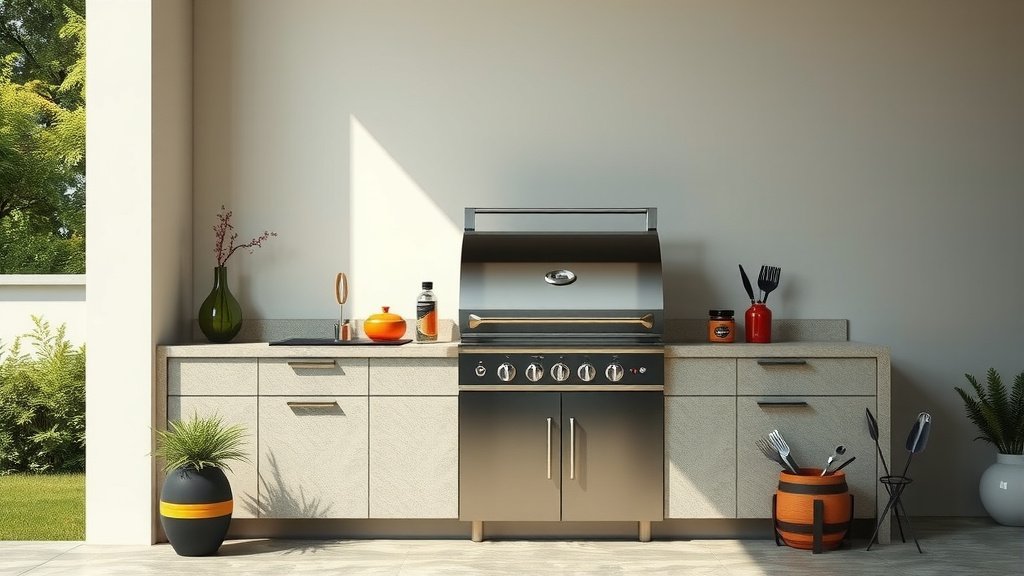
To build a built-in outdoor grill, you first plan your ideal outdoor kitchen, choose a grill insert, and then construct a sturdy, weather-resistant island around it.
The process involves careful design, proper material selection, and safe installation of utilities like gas and electricity for your outdoor built in grill.
Here’s a quick summary of what you’ll learn about building your own outdoor grill:
- Discover the first steps for planning your dream outdoor grilling space.
- Learn how to choose the perfect grill insert for your cooking style.
- Understand the materials and construction methods for a durable grill island.
- Get tips on safely installing gas, electrical, and ventilation systems.
- Find essential advice for finishing and maintaining your new outdoor kitchen.
How To Build A Built In Outdoor Grill?
Building a built-in outdoor grill transforms your patio into a functional kitchen. This project needs good planning and careful execution.
Dreaming Up Your Outdoor Grill Space
Before any tools come out, visualize your outdoor kitchen. Think about your cooking and entertaining style.
Why a Built-In Grill?
A built-in grill offers a seamless look and permanent cooking station. It integrates with your landscape and adds counter space.
Picking the Right Spot
Location is key for your outdoor grill. Choose a spot that’s convenient, safe, and considers wind for smoke control.
Checking Local Building Codes
Always check with your local municipality for building permits and codes. Rules apply to outdoor structures and gas lines (City Planning Department).
Selecting Your Grill Insert
The grill insert is the heart of your outdoor kitchen. Choose wisely based on your cooking needs.
Gas vs. Charcoal Grill Inserts
Gas grills offer convenience and quick heating. Charcoal provides that classic smoky flavor many love.
Size and Power Considerations
Consider your family size and typical guest count. A larger grill offers more cooking surface. Look at BTUs for gas grills.
Material Quality Matters
Stainless steel is recommended for outdoor grill inserts. We found that 304-grade stainless steel resists rust best (Consumer Reports).
Designing Your Grill Island Structure
Once you have your grill, design its island structure. This enclosure needs to be sturdy and weather-ready.
Choosing Construction Materials
Common materials include concrete block, steel studs, or weather-resistant lumber. Concrete board cladding provides a durable surface for finishes.
Essential Island Components
Beyond the grill, think about countertops, storage doors, and access panels. These add functionality and a polished look.
Sketching Your Outdoor Kitchen Layout
Draw a detailed sketch with dimensions. This helps you visualize and plan utility lines. Don’t forget walking space.
Gathering Tools and Materials: Your Checklist
Before you begin, ensure you have everything needed. This saves time and prevents interruptions.
- Measuring tape and level
- Drill and concrete anchors
- Circular saw or angle grinder
- Safety glasses and gloves
- Concrete blocks or steel studs
- Cement board and screws
- Mortar or construction adhesive
- Your chosen grill insert
- Exterior finishes (stone, stucco, tile)
- Countertop material
- Gas line and fittings (if applicable)
- Electrical wiring and outlets (if applicable)
Building the Solid Foundation
A stable foundation is critical for any outdoor structure. This ensures your grill island remains level and safe.
Pouring a Concrete Slab
Many experts recommend a reinforced concrete slab as the base. It provides stability and prevents settling (Concrete Network).
Framing the Island Structure
Build the frame using your chosen materials and design plan. Ensure all openings fit your grill and access doors precisely.
Installing the Grill Insert and Utilities
This stage requires precision and attention to safety. If unsure, hire licensed professionals for gas and electrical work.
Connecting Gas Lines Safely
A licensed plumber should always connect natural gas or propane lines. Ensure proper shut-off valves and leak testing. Safety is paramount.
Electrical Needs for Your Grill
You might need electricity for grill igniters or rotisserie motors. An electrician can install GFCI-protected outlets for safety.
Ventilation is Crucial
Proper ventilation helps disperse heat and gases. We found that adequate air circulation prevents heat buildup (Hearth, Patio & Barbecue Association).
Adding the Finishing Touches
This is where your outdoor grill island truly comes to life. Personalize it to match your home’s style.
Applying Exterior Finishes
Stucco, stone veneer, or tile can cover your island frame. Choose a material that complements your decor for a professional look.
Selecting Your Countertop
Many experts choose granite, quartz, or concrete for outdoor countertops. These materials offer durability and weather resistance and valuable prep space.
Outdoor Grill Island Material Comparison
Here’s a quick look at common materials for the island’s exterior finish:
| Material Type | Pros | Cons |
|---|---|---|
| Stucco | Affordable, versatile colors, good weather resistance. | Can crack over time, needs occasional repair. |
| Stone Veneer | Natural look, very durable, adds high-end appeal. | Higher cost, more complex installation. |
| Tile | Wide range of styles, easy to clean, good weather resistance. | Grout lines need maintenance, tiles can chip. |
| Cultured Stone | Lighter than natural stone, easier to install, varied styles. | Can look less natural, less durable than real stone. |
Safety First: Important Reminders
Always keep safety at the forefront. A safe grill area protects everyone. Ensure clearances from combustibles and never leave a hot grill unattended.
Maintenance for Lasting Enjoyment
A little regular care keeps your built-in grill looking great. Clean it regularly, use a cover, and inspect for wear. Many experts say routine cleaning prevents grease fires (National Fire Protection Association).
Conclusion
Building a built-in outdoor grill is a rewarding project that elevates your outdoor living. With careful planning, the right materials, and a focus on safety, you can create a beautiful and functional cooking space. Enjoy countless gatherings and delicious meals in your new outdoor kitchen.
Frequently Asked Questions About Building an Outdoor Grill
How long does it typically take to build a built-in outdoor grill?
Construction time varies based on complexity and your experience. A basic grill island might take a weekend or two of focused work. More elaborate designs could span several weeks, especially with professional help.
Can I convert an existing freestanding grill into a built-in unit?
Generally, no. Freestanding grills lack the proper insulation and ventilation for enclosures. Converting one creates a fire hazard and can lead to premature grill failure from overheating.
What kind of weather protection does a built-in grill need?
While the island structure offers some protection, covering the grill insert itself is highly recommended. A fitted cover protects against rain, snow, and UV rays, preventing rust and wear. This small step significantly extends your appliance’s life.
Are there specific foundation requirements for a heavy grill island?
Yes, a stable and level foundation is crucial. For heavier structures like stone or concrete block islands, a reinforced concrete slab is often necessary. This prevents settling, cracking, and ensures the structure remains stable over time.
What are the typical costs associated with building a built-in outdoor grill?
Costs can range widely, often from a few thousand to over ten thousand dollars. This depends on the island’s size, grill insert quality, finishing materials, and whether you do the work yourself or hire contractors.