To BBQ ribs on a gas grill fast, start by searing ribs over direct high heat for 10-15 minutes, then move them to indirect heat and cook at 275-300°F, wrapped in foil, for about 2-3 hours until tender.
Pre-prep work like membrane removal and choosing baby back ribs significantly speeds up your cooking time on a gas grill.
- Get ready to cook delicious ribs in less time.
- You will learn the best gas grill setup for quick ribs.
- Discover which ribs cook faster and how to prepare them.
- Understand key temperature controls and cooking phases.
- Finish your ribs perfectly, every time, without the long wait.
How To BBQ Ribs On Gas Grill Fast?
You can make tender, delicious BBQ ribs on a gas grill quicker than traditional methods. The secret involves smart prep and mastering your grill’s heat zones.
Why Use a Gas Grill for Ribs?
Gas grills offer fantastic temperature control, which is great for ribs. You can adjust heat precisely, making consistent cooking easier.
This control lets you create perfect two-zone cooking setups. It’s ideal for achieving that balance of speed and tenderness.
Choosing the Right Ribs for Speed
Your choice of ribs impacts cooking time significantly. Lighter, smaller racks cook much faster.
Many experts suggest selecting specific types for quick grilling. This saves you valuable time.
Baby Back Ribs vs. Spare Ribs
For speed, baby back ribs are your best bet. They are smaller and leaner than spare ribs.
Spare ribs have more meat and fat, requiring longer cook times. If you are in a hurry, go for baby backs.
Prep Your Ribs for Quick Grilling
Proper preparation cuts down on grilling time. These steps are simple but make a huge difference.
Don’t skip these initial stages. They set you up for faster, better results.
Remove the Membrane
The membrane on the back of the ribs is tough. It prevents seasoning from penetrating and makes ribs chewy.
We found that removing it makes ribs more tender and speeds cooking. Just slide a knife under it and peel it off.
Seasoning for Flavor and Speed
A good rub adds great flavor quickly. Apply your favorite dry rub generously.
Some people like to let the rub sit for 30 minutes. This allows flavors to soak in.
Master Your Gas Grill Setup
The way you set up your gas grill is really important. It ensures even cooking and prevents burning.
Think of your grill as having different cooking zones. This technique is key for ribs.
Two-Zone Grilling is Key
Set up your gas grill for two-zone cooking. This means one side is hot (direct heat) and the other is off (indirect heat).
You will sear the ribs over direct heat first. Then, you finish them over indirect heat.
Maintaining Grill Temperature
For indirect cooking, aim for a steady temperature of 275-300°F. This lower heat helps ribs tenderize.
Use your grill’s thermometer. Adjust the active burners as needed to hold this temperature.
The Quick Rib Grilling Process
This process balances high heat searing with low, slow cooking. It delivers tender ribs fast.
Follow these steps closely for the best results. You will be enjoying ribs sooner than you think.
The Initial Sear
Preheat your grill to high heat on all burners. Once hot, place the ribs bone-side down over direct heat.
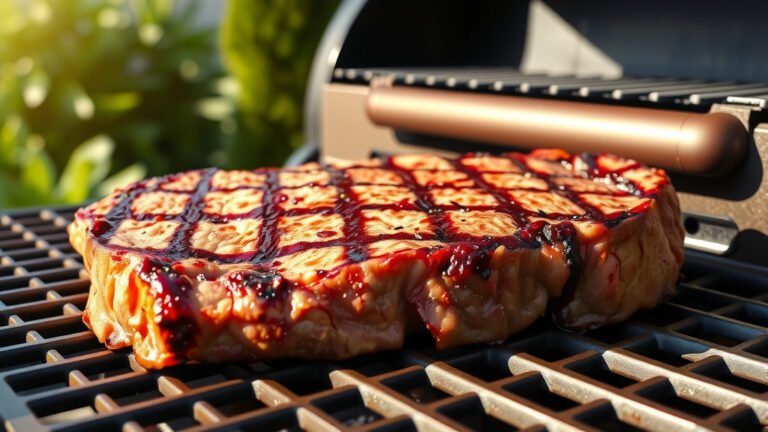
Sear for 5-7 minutes per side. This creates a beautiful crust and locks in moisture.
Indirect Cooking Phase
After searing, move the ribs to the indirect heat side. Turn off the burners directly underneath.
Close the lid and maintain that 275-300°F temperature. This is where the magic happens.
The Foil Wrap Trick
Many experts recommend wrapping ribs in foil. Do this after about 1 to 1.5 hours of indirect cooking.
Wrapping traps moisture and helps the ribs steam. This makes them incredibly tender much faster.
Return the wrapped ribs to indirect heat. Cook for another 60-90 minutes.
Finishing Touches
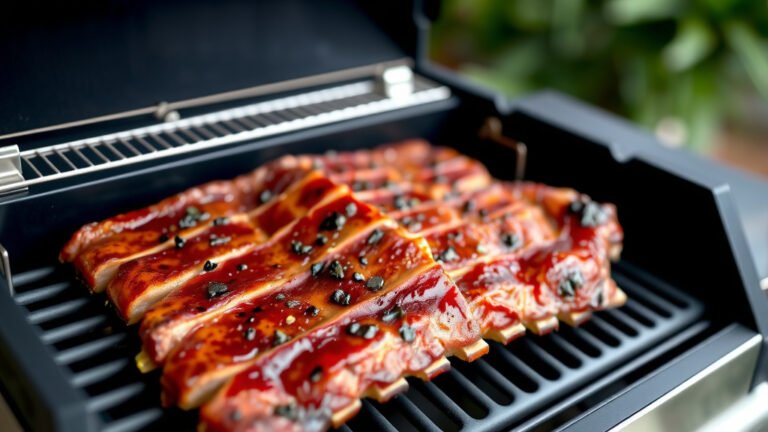
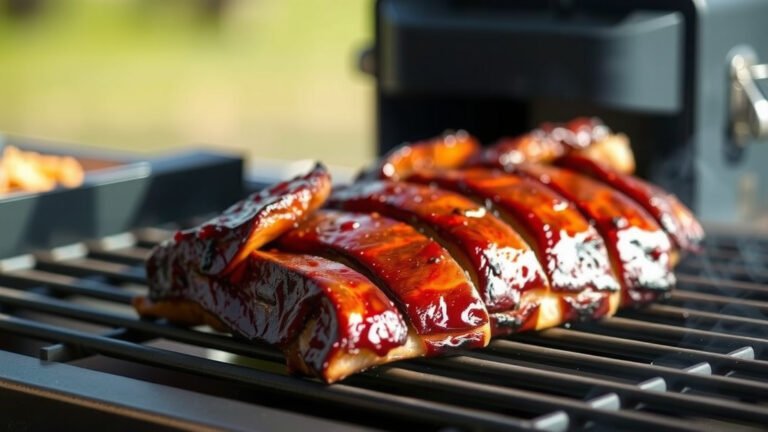
Unwrap the ribs for the final 20-30 minutes. This lets any sauce caramelize.
Baste with your favorite BBQ sauce if you like. The ribs should be almost done at this stage.
Knowing When Your Ribs Are Done
Determining doneness is about feel and temperature. You want them tender, but not falling apart.
Overcooked ribs can become mushy. Underdone ribs are tough and chewy.
The Bend Test
Pick up a rack of ribs with tongs in the middle. Gently bounce them.
If the ribs bend significantly and start to crack, they are ready. They should not break in half.
Internal Temperature Check
For ideal tenderness, target an internal temperature between 195-203°F. This allows collagen to break down.
Insert a meat thermometer into the thickest part of the meat. Avoid touching the bone for an accurate reading.
| Rib Type | Grill Temp (Indirect) | Estimated Cook Time | Target Internal Temp |
|---|---|---|---|
| Baby Back Ribs | 275-300°F | 2-3 hours | 195-203°F |
| Spare Ribs (if used) | 275-300°F | 3.5-4.5 hours | 195-203°F |
Important Tips for Success
Here’s a quick checklist to help you make perfect, fast BBQ ribs every time. These details really matter.
- Preheat your grill fully before starting.
- Keep your grill lid closed as much as possible.
- Use a reliable meat thermometer.
- Don’t rush the indirect cooking phase.
- Let the ribs rest for 10-15 minutes after cooking.
Conclusion
Making delicious BBQ ribs on a gas grill quickly is absolutely doable. You just need a thoughtful approach.
By choosing the right ribs, prepping them well, and managing your grill’s heat, you will enjoy tender results. Remember, practice makes perfect grilling, so don’t be afraid to try this method.
Are baby back ribs always the fastest choice?
Yes, baby back ribs generally cook faster than spare ribs. Their smaller size and lower fat content mean less time on the grill.
Can I add wood chips to a gas grill for smoke flavor?
Absolutely, you can. Use a smoker box or foil pouch filled with wood chips. Place it over direct heat on one burner to generate smoke, then move your ribs to indirect heat.
What if my ribs are tough after cooking?
If your ribs are tough, they likely needed more time at the indirect cooking temperature. Tenderness develops as collagen breaks down, which takes consistent heat over time.
Should I use a wet or dry rub for quick ribs?
For quick ribs, a dry rub is often preferred. It creates a crust and adds flavor without adding excess moisture that can lengthen cooking or steaming time.
How do I prevent my ribs from drying out on the gas grill?
Wrapping the ribs in foil during the indirect cooking phase is key. This traps moisture and helps keep them juicy. You can also spritz them with apple juice or cider vinegar periodically.