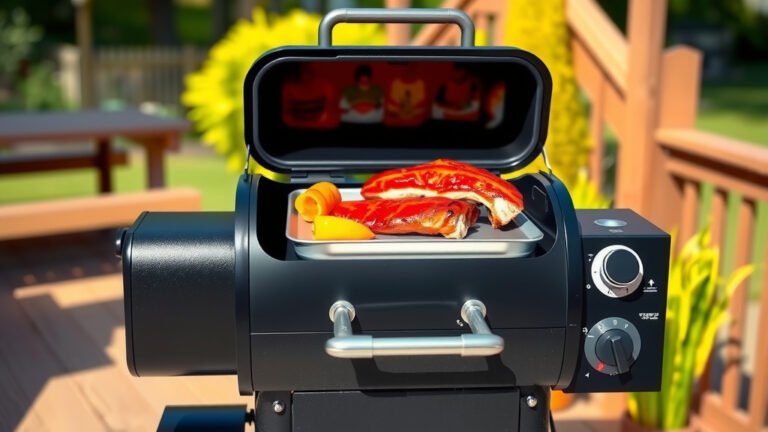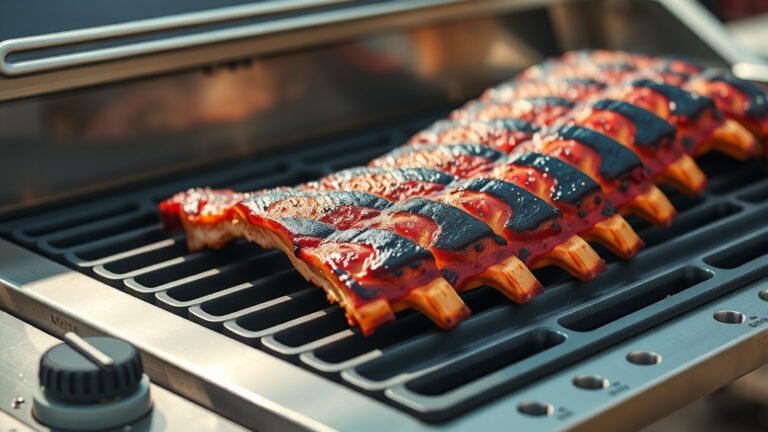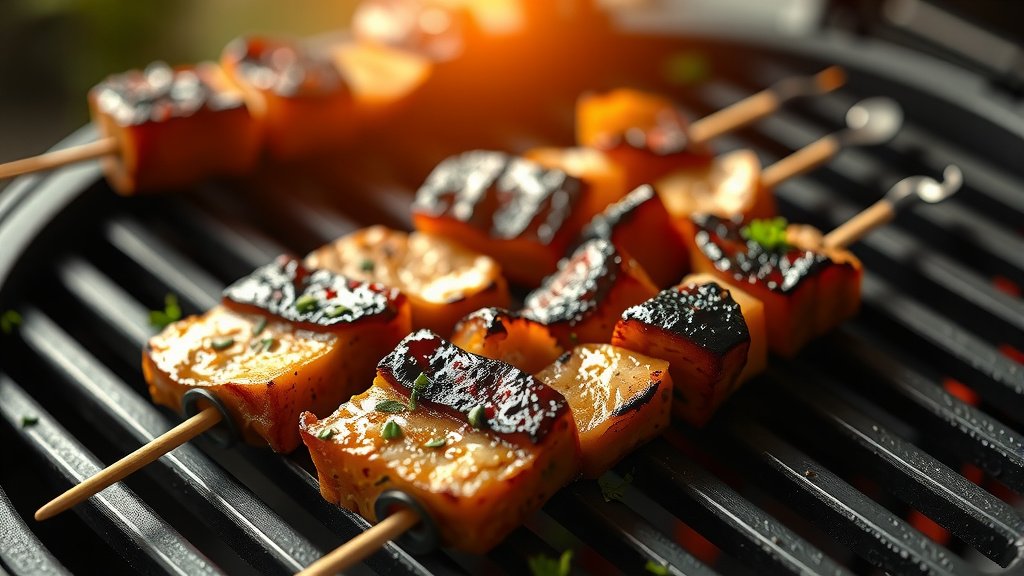
Smoking kabobs on a pellet grill typically takes about 1.5 to 3 hours, depending on the meat type, skewer size, and your smoker’s consistent temperature.
For most chicken or beef kabobs, aim for an internal temperature of 165°F (74°C) to 170°F (77°C) when your pellet grill is set to 225°F (107°C).
Here’s a quick look at what we’ll cover to help you master smoked kabobs:
- Discover the usual smoking times for various kabob ingredients.
- Learn why a pellet grill is perfect for infusing deep smoky taste.
- Find out which factors significantly alter your cooking duration.
- Get practical tips on preparing and monitoring your delicious kabobs.
- Understand the finishing steps to get that perfect smoky char.
How Long To Smoke Kabobs On A Pellet Grill?
You can smoke kabobs on a pellet grill in roughly 1.5 to 3 hours. This timeframe allows your ingredients to soak up plenty of wonderful smoky flavor.
Your exact timing will vary based on what you put on your skewers. Think about the types of meat and veggies you choose.
Why Smoke Kabobs on a Pellet Grill?
Pellet grills are fantastic for kabobs because they offer consistent, indirect heat. This method lets you infuse a deep, smoky taste without scorching your food.
Plus, they are often a set-and-forget experience once you dial in the temperature. This means more time enjoying friends and less time babysitting the grill.
Factors That Change Smoking Time
Many things play a role in how long your kabobs need to smoke. Understanding these helps you plan your cook better.
Consider the type of meat, the size of your cuts, and even how tightly you pack your skewers. Each detail counts for perfectly smoked results.
Meat Type Matters
Different meats cook at different rates. Chicken, for instance, generally cooks faster than tougher cuts of beef or pork.
We find that fish and shrimp kabobs will cook the fastest on your smoker. Red meats need a little more time to become tender and reach their target temperature.
Vegetable Choices
Harder vegetables like potatoes or carrots will take longer to soften. Softer options, such as cherry tomatoes or mushrooms, cook quicker.
If you mix hard and soft veggies, some might get mushy while others are still firm. Try to use similar density vegetables on each skewer for even cooking.
Skewer Size and Density
Larger chunks of meat and vegetables naturally need more time to cook through. Smaller pieces will absorb smoke and cook faster.
Packing your skewers too tightly can also extend the cooking time. Air needs to circulate for even smoke and heat distribution.
Prepping Your Kabobs for the Smoker
Good preparation is key to amazing smoked kabobs. Take a little time upfront, and your results will shine.
Here’s a quick checklist to help you get your kabobs ready for the pellet grill:
- Cut meat and veggies into uniform 1-inch pieces.
- Marinate your meat for at least 30 minutes, or even overnight, for better flavor penetration.
- Soak wooden skewers in water for 30 minutes to an hour to prevent burning.
- Leave a small gap between ingredients on the skewer for even cooking and smoke infusion.
- Have your meat thermometer ready for accurate temperature checks.
The Ideal Smoking Temperature
Most experts say a consistent temperature of 225°F (107°C) is great for smoking kabobs. This low and slow method allows maximum smoke flavor development.
At this temperature, your ingredients will tenderize beautifully without drying out. It is a sweet spot for smoky goodness.
Here’s a general guide for smoking times at 225°F (107°C):
| Kabob Type | Approximate Smoking Time | Target Internal Temp (Meat) |
|---|---|---|
| Chicken & Veggie | 1.5 – 2 hours | 165°F (74°C) |
| Beef & Veggie | 2 – 2.5 hours | 165-170°F (74-77°C) |
| Pork & Veggie | 2 – 2.5 hours | 145°F (63°C) |
| Lamb & Veggie | 2 – 2.5 hours | 145°F (63°C) |
| Shrimp & Veggie | 30 – 45 minutes | 120°F (49°C) |
Monitoring Doneness: What to Look For
Don’t just rely on the clock! The best way to know if your kabobs are ready is to check their doneness directly. This ensures both safety and deliciousness.
You want perfectly cooked kabobs, not dry ones. So, what are the signs of readiness you should watch for?
Visual Cues and Texture
Look for meat that appears cooked through with good color. Vegetables should be tender but still have a slight bite, not mushy.
You can sometimes tell by gently pressing on a piece of meat. It should feel firm, not squishy. If it is too soft, it needs more time.
The Role of a Meat Thermometer
This is your best friend when smoking. Insert it into the thickest part of the meat, avoiding the skewer. This gives you an accurate internal temperature reading.
Many food safety guidelines, including those from the USDA, suggest poultry reaches 165°F (74°C). For beef, pork, or lamb, 145°F (63°C) with a 3-minute rest is often recommended for safe consumption.
Finishing Touches: Searing for Flavor
After smoking, your kabobs will have amazing flavor but might lack a crisp exterior. A quick sear can take them to the next level.
Transfer your kabobs to a hot grill or cast-iron pan for a minute or two per side. This adds a beautiful char and locks in juices.
Troubleshooting Common Kabob Smoking Issues
Even seasoned grill masters face occasional challenges. Don’t worry if your first batch isn’t perfect; it’s all part of the fun.
If your meat is dry, you might have smoked it too long or at too high a temperature. For uneven cooking, try cutting your ingredients more uniformly next time.
Conclusion
Smoking kabobs on a pellet grill is a rewarding experience. It lets you create incredibly flavorful, tender food with a signature smoky aroma. Remember that a typical cook time is 1.5 to 3 hours, always checking internal temperatures for safety and perfection.
With a little preparation and careful monitoring, you’ll soon be impressing everyone with your perfectly smoked kabobs. Keep those pellet grills fired up, and enjoy the delicious journey!
What kind of pellets are best for smoking kabobs?
For kabobs, fruitwoods like apple or cherry offer a mild, sweet smoke that pairs wonderfully with chicken, pork, and many vegetables. Hickory or mesquite can be used for a stronger flavor, especially with beef, but use them sparingly if you prefer a subtle smoke.
Can I marinate kabobs overnight for smoking?
Yes, absolutely! Marinating kabobs overnight (8-12 hours) is a fantastic way to infuse deep flavors into the meat and tenderize it. Ensure your marinade is acidic enough to work but not so strong it “cooks” the meat, especially for poultry or fish.
My kabobs are drying out. What am I doing wrong?
Kabobs often dry out if smoked at too high a temperature or for too long. Ensure your pellet grill maintains a steady 225°F (107°C) and rely on an instant-read thermometer to pull them off once they hit their target internal temperature, preventing overcooking.
Should I flip kabobs while smoking on a pellet grill?
While not strictly necessary due to the indirect heat of a pellet grill, flipping your kabobs every 45 minutes to an hour can help ensure a more even smoke ring and consistent cooking throughout all sides of the ingredients.
What’s the best way to prevent veggies from falling off the skewer?
To keep veggies from falling off, cut them into pieces that are roughly the same size as your meat. Also, avoid over-soaking wooden skewers, as too much moisture can make them soft and prone to breaking. Using sturdy metal skewers is another great option.