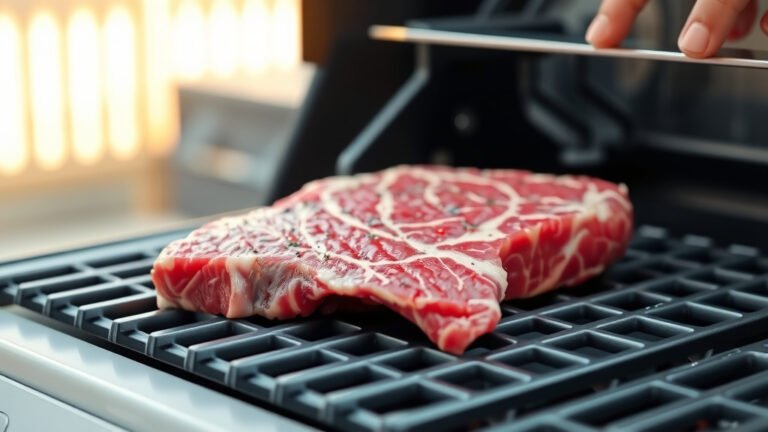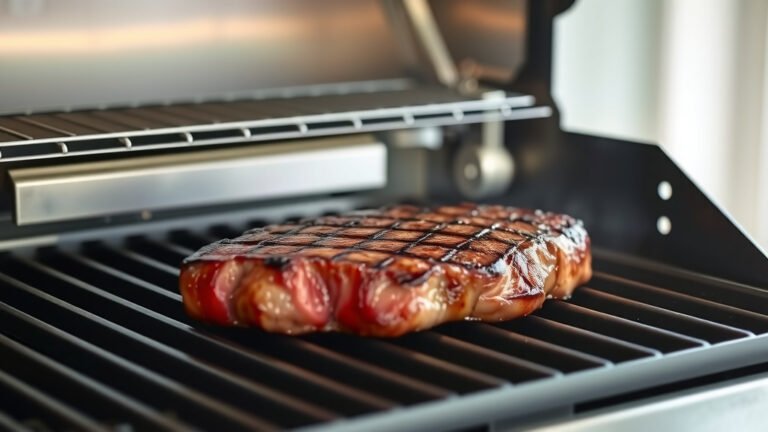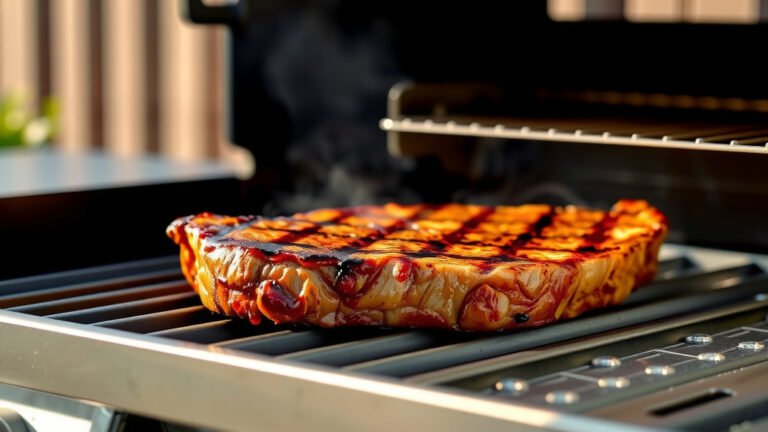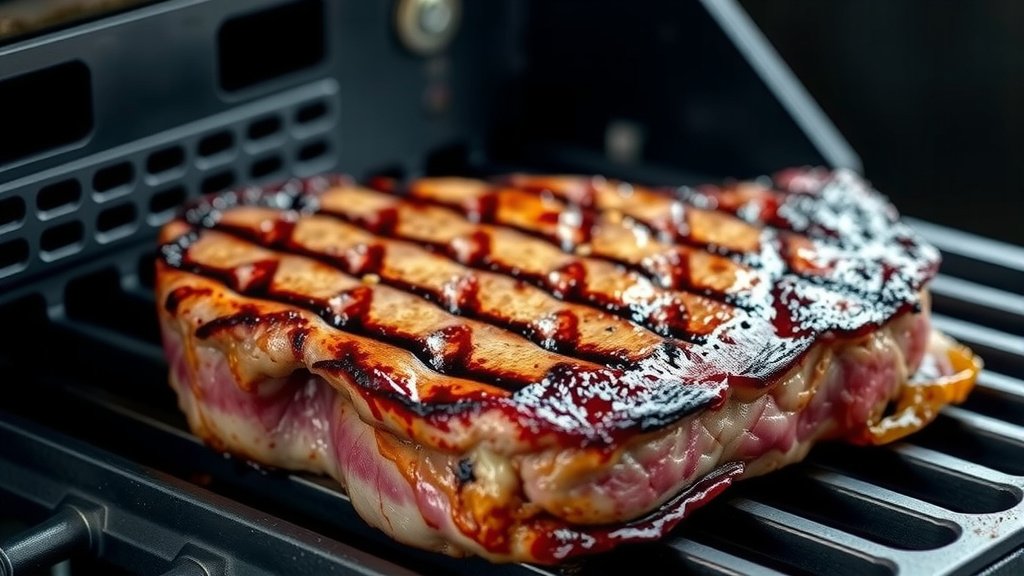
To grill a rib eye steak on a gas grill, aim for about 8-12 minutes for a 1.25-inch thick steak, flipping once, to achieve a medium-rare to medium doneness. Always rely on a meat thermometer for accurate results when grilling a rib eye steak.
The precise time to grill rib eye steak on a gas grill can change based on steak thickness and your desired level of doneness, so checking internal temperature is your best guide for perfection.
-
For a 1.25-inch thick rib eye, target 8-12 minutes of grill time for medium-rare to medium.
-
Always preheat your gas grill to a high heat, around 450-500°F.
-
Use a meat thermometer to check internal temperatures; 130-135°F for medium-rare is a good starting point.
-
Rest your steak for 5-10 minutes after grilling to let juices redistribute for a tender bite.
-
Searing for 2-3 minutes per side and then moving to indirect heat often yields the best results.
How Long To Grill Rib Eye Steak On Gas Grill?
You can expect to grill a rib eye steak for about 8 to 12 minutes for a 1.25-inch cut, targeting a beautiful medium-rare or medium finish. Remember, thickness is a key factor here.
Understanding Steak Thickness and Its Impact
The thickness of your rib eye steak is the biggest influencer on grilling time. A thicker steak naturally needs more time to cook through to your preferred doneness level. Think of it like baking a thicker cake.
Most rib eyes you find are about 1 to 1.5 inches thick. We find that a 1-inch steak cooks faster than a 1.5-inch or 2-inch cut. Always consider this before you even fire up your grill.
Prepping Your Rib Eye for the Grill
Before any grilling begins, let your rib eye come to room temperature for about 30-60 minutes. This helps it cook more evenly from edge to center. Many experts say this step is small but powerful.
Pat your steak dry with paper towels. Excess moisture on the surface can steam instead of sear, preventing that lovely crust. Season generously with salt and pepper, or your favorite steak rub. Don’t be shy with the seasoning!
Setting Up Your Gas Grill for Success
Preheating your gas grill is non-negotiable. Aim for a high heat, somewhere between 450°F and 500°F. This high temperature helps create that desired sear on the steak’s exterior. It is your first step to flavor.
Once preheated, clean your grill grates thoroughly with a grill brush. Then, oil the grates lightly to prevent sticking. This ensures your beautiful rib eye doesn’t leave any bits behind.
Grilling Techniques: Direct and Indirect Heat
For rib eye steaks, we often use a two-zone grilling method. This means one side of your grill is on high heat (direct), and the other side is off or on low heat (indirect). This method gives you excellent control.
You’ll start by searing the steak over direct heat to build that crust. Then, if needed, move it to the indirect side to finish cooking through without burning the outside. It’s a method many chefs prefer.
The Searing Process: Achieving That Perfect Crust
Place your seasoned rib eye directly over the hottest part of the grill. Sear for 2 to 3 minutes per side. You’re looking for a deep, browned crust. This is where a lot of the delicious flavor develops, known as the Maillard reaction.
Resist the urge to move the steak too often during this phase. Let it sit and get that beautiful char. Flipping once is often sufficient for a good sear.
Monitoring Internal Temperature: Your Best Friend
This is where precision comes in. A reliable instant-read meat thermometer is your most important tool for grilling perfect steak. Don’t guess; internal temperature tells you the truth about doneness. Many guidelines point to a thermometer as the only accurate way (USDA).
Insert the thermometer into the thickest part of the steak, avoiding any bones. Here’s a quick guide to internal temperatures for different doneness levels.
| Doneness Level | Internal Temperature (Pull from Grill) | Final Temperature (After Resting) |
|---|---|---|
| Rare | 120-125°F (49-52°C) | 125-130°F (52-54°C) |
| Medium-Rare | 130-135°F (54-57°C) | 135-140°F (57-60°C) |
| Medium | 135-140°F (57-60°C) | 140-145°F (60-63°C) |
| Medium-Well | 140-145°F (60-63°C) | 145-150°F (63-66°C) |
| Well-Done | 150°F+ (66°C+) | 155°F+ (68°C+) |
The Carryover Cooking Effect
Your steak will continue to cook for a few degrees after you remove it from the grill. This is called carryover cooking. So, pull your steak off the heat 5°F below your target temperature. This little trick is found by many grill masters.
Resting Your Steak: A Vital Step
Once your rib eye reaches its target temperature, remove it from the grill and place it on a cutting board. Cover it loosely with foil and let it rest for 5 to 10 minutes. This step is often overlooked but vital.
Resting allows the juices, which have been pushed to the center during cooking, to redistribute throughout the steak. This results in a much more tender and flavorful bite. Don’t skip this important part of the process.
Troubleshooting Common Grilling Issues
What if your steak isn’t searing well? Your grill might not be hot enough, or the steak could be too wet. Ensure a proper preheat and pat dry. It’s all about surface contact and heat.
If the outside is burning before the inside cooks, your heat is too high, or the steak is too thin for the initial sear time. Move it to indirect heat sooner to finish gently. This careful balance comes with practice.
Checklist for a Perfectly Grilled Rib Eye
- Preheat Grill: Get it to 450-500°F.
- Room Temperature Steak: Let it sit out for 30-60 minutes.
- Pat Dry: Remove all surface moisture.
- Season Liberally: Salt, pepper, or your favorite rub.
- Sear First: 2-3 minutes per side over direct high heat.
- Use Thermometer: Check internal temperature for desired doneness.
- Rest Properly: 5-10 minutes under foil.
Tips for Enhanced Flavor and Juiciness
Consider brushing your steak with a little melted butter or herb butter during the last minute of grilling or while it rests. This adds an extra layer of richness. We found this adds a gourmet touch.
Experiment with different wood chips in a smoker box if your gas grill allows. Hickory or oak can impart a fantastic smoky flavor to your rib eye. This is a simple way to boost the taste profile.
Conclusion
Grilling a perfect rib eye steak on a gas grill is a rewarding experience that combines good technique with careful monitoring. While timings provide a good starting point, remember that your meat thermometer is your true guide to achieving your desired doneness. Master these steps, and you’ll consistently enjoy a juicy, flavorful steak.
How do I know my gas grill is hot enough for a rib eye?
You know your gas grill is hot enough when it reaches an internal temperature of 450-500°F, indicated by the grill’s built-in thermometer. You can also do a hand test: if you can only hold your hand about 2 inches above the grate for 2-3 seconds, it’s hot enough for searing.
Can I grill a frozen rib eye steak?
It is generally not recommended to grill a frozen rib eye steak. While possible, it’s harder to achieve an even cook and a good sear. Thawing completely in the refrigerator is always the best approach for quality results and food safety.
What if my rib eye steak is thicker than 1.5 inches?
If your rib eye steak is thicker than 1.5 inches, you will need more grilling time. Use the searing method over direct heat, then move it to indirect heat to finish cooking slowly until it reaches your desired internal temperature. A 2-inch steak could take up to 20 minutes.
Should I flip the rib eye steak more than once?
For a beautiful crust and even cooking, flipping the rib eye steak once after searing each side is often sufficient. Flipping too frequently can prevent a good crust from forming. Some experts prefer more frequent flips for different reasons, but once is a good start.
Why is resting the steak so important after grilling?
Resting the steak allows its internal juices, which have been pushed to the center by the heat, to redistribute throughout the meat. This process prevents the juices from flowing out when you cut into it, ensuring a much juicier and more tender eating experience. It’s a key step for moisture retention.