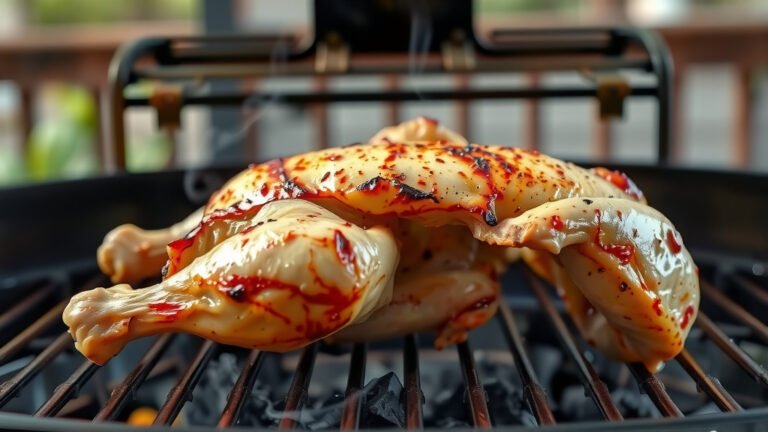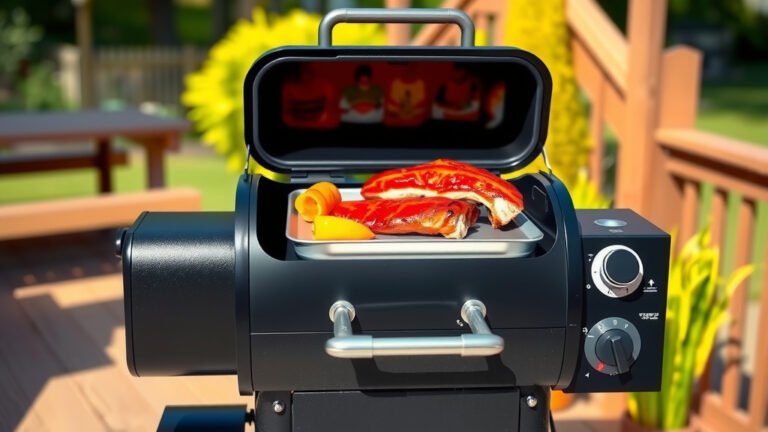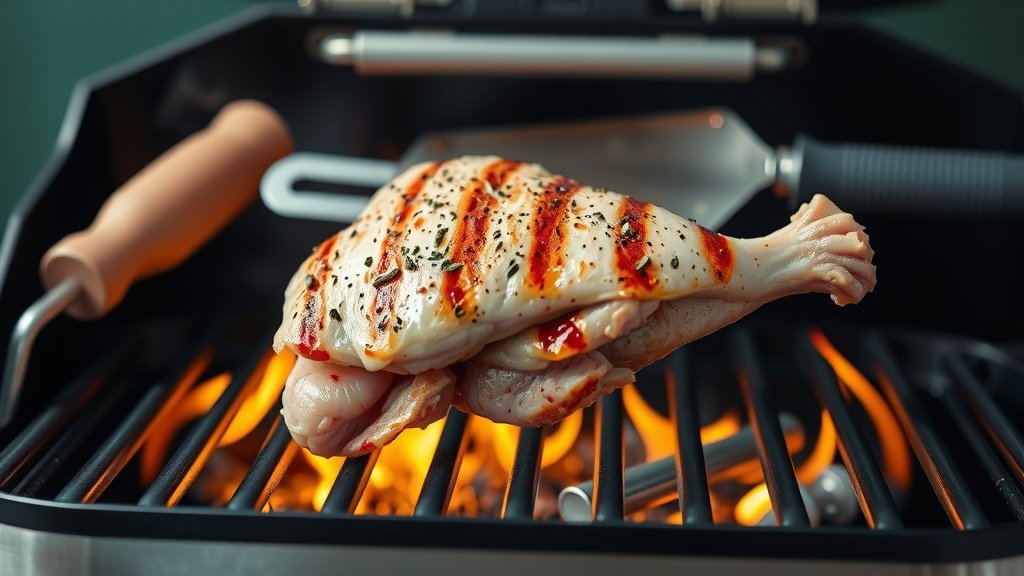
Gas grilling chicken typically takes anywhere from 8 to 30 minutes, depending on the specific cut, its thickness, and your grill’s heat setting.
For juicy, safe chicken, always ensure it reaches an internal temperature of 165°F (USDA) before serving, using a reliable meat thermometer.
TL;DR: Here’s a quick overview for your gas-grilled chicken success:
- Chicken grill times vary greatly by cut; boneless breasts are quicker than bone-in thighs.
- Always verify doneness with a meat thermometer, aiming for 165°F internal temperature.
- High heat is great for searing, but indirect heat often prevents burning and ensures even cooking.
- Don’t rush the process; proper cooking ensures both safety and incredible flavor.
- Resting the chicken after grilling is a simple step that makes a huge difference in juiciness.
How Long To Gas Grill Chicken?
You can expect to gas grill chicken anywhere from 8 to 30 minutes, largely depending on the specific cut of chicken.
Always aim for an internal temperature of 165°F for food safety, as recommended by the USDA.
Why Grill Times Aren’t One-Size-Fits-All
Imagine grilling a thin chicken tender next to a whole bone-in thigh. You know they won’t cook the same way, right?
Many factors influence how long your chicken needs on the gas grill. Let’s break down what truly matters.
Chicken Cut and Thickness Matters
This is probably the biggest factor. A thin boneless breast cooks much faster than a chunky bone-in leg.
Bone-in pieces need more time for heat to reach the center, and bones slow down the cooking process.
Your Grill’s Temperature Setting
A roaring hot grill cooks faster, but it also increases the risk of burning the outside before the inside is done.
Most recipes suggest a medium-high heat, around 400-450°F, for chicken, especially for direct grilling.
Direct vs. Indirect Heat
Direct heat means grilling right over the flame, offering a great sear. Indirect heat is away from the flame, like an oven.
Often, we use a combo: direct to sear, then indirect to finish cooking through without charring (Food Safety and Inspection Service).
The Golden Rule: Internal Temperature is Key
Forget guessing games or relying on sight alone. The only way to truly know if your chicken is safe and perfectly cooked is a meat thermometer.
Insert it into the thickest part of the meat, avoiding any bones, and look for that magic 165°F.
Essential Gear for Grilling Chicken
Before you even light that grill, having the right tools makes all the difference. What do you need?
A good meat thermometer is non-negotiable. Tongs for flipping are also super helpful. Grill brush too!
- A reliable instant-read meat thermometer
- Long-handled tongs for safe flipping
- A grill brush for cleaning grates
- Heat-resistant gloves (optional, but nice to have)
- A small oil-soaked cloth for seasoning grates
Prepping Your Chicken for the Grill
A little prep goes a long way toward tender, evenly cooked chicken. Have you ever tried pounding chicken breasts?
Pounding them to an even thickness helps them cook uniformly, preventing dry edges and raw centers.
Remember to pat your chicken dry before adding oil and seasoning. This helps achieve that beautiful crust (Cook’s Illustrated).
Grill Times for Popular Chicken Cuts
Here’s a general guide to help you plan your grilling session. These are estimates, so always use your thermometer!
We found that starting with higher heat for a sear and then finishing with lower, indirect heat often yields the best results.
| Chicken Cut | Approximate Grill Time (Medium-High Heat) | Grilling Method Tip |
|---|---|---|
| Boneless, Skinless Breasts (6-8 oz) | 8-12 minutes total | Sear 4-6 min per side, then move to indirect if needed. |
| Boneless, Skinless Thighs | 10-15 minutes total | Grill 5-7 min per side; very forgiving cut. |
| Bone-in Breasts (10-12 oz) | 20-30 minutes total | Sear 5-7 min per side, then finish on indirect heat. |
| Bone-in Thighs/Drumsticks | 25-35 minutes total | Sear 8-10 min per side, finish on indirect until 165°F. |
| Chicken Wings | 20-25 minutes total | Flip often, use indirect heat for even cooking. |
A Quick Checklist for Perfect Gas-Grilled Chicken
Want to make sure you hit all the marks for grilled chicken glory? Here’s a handy list to review before you start!
These simple steps can really elevate your grilling game and ensure consistent results every time.
- Preheat your grill thoroughly before placing chicken on grates.
- Clean your grill grates to prevent sticking.
- Pat chicken dry and season well.
- Use oil on the chicken, not just the grates, for a good sear.
- Don’t overcrowd the grill; leave space for even cooking.
- Use your meat thermometer often to check for 165°F.
- Rest the chicken for 5-10 minutes after removing it from the grill.
Why Resting Your Chicken is Non-Negotiable
You’ve done all the hard work: perfectly grilled chicken, golden-brown skin, and that amazing aroma. But wait!
Cutting into chicken right off the grill lets all those delicious juices run out onto your cutting board. Resting allows them to redistribute back into the meat.
Just a 5 to 10-minute rest under a foil tent makes your chicken incredibly juicier. Try it and taste the difference!
Avoiding Common Grilling Mistakes
Even seasoned grill masters make mistakes sometimes. Are you accidentally drying out your chicken?
Overcooking is a common culprit. Using that meat thermometer really saves the day here. Another error is not cleaning your grates, which causes sticking.
Patience is a virtue when grilling. Don’t flip too often; let the chicken develop a nice crust before turning.
Conclusion
Grilling chicken on a gas grill is a fantastic way to enjoy delicious, flavorful meals, and it’s something anyone can master.
The key takeaway is always to prioritize internal temperature over a set time. Cuts vary, grills differ, but 165°F is your reliable friend.
By understanding your chicken cuts, using the right heat, and employing a trusted thermometer, you’ll consistently achieve perfectly cooked, juicy chicken.
So, fire up that grill with confidence, knowing you’re ready for success! Happy grilling!
FAQs About Gas Grilling Chicken
How do I know my chicken is done without a thermometer?
While a thermometer is best, if you pierce the thickest part of the chicken with a knife, the juices should run clear. If they are pink or cloudy, it needs more time.
Can I grill chicken from frozen?
No, always thaw chicken completely before grilling. Grilling frozen chicken can lead to uneven cooking, where the outside burns before the inside cooks to a safe temperature (USDA).
Should I keep the grill lid open or closed when grilling chicken?
For most chicken cuts, especially thicker ones, keeping the lid closed helps maintain consistent heat and cooks the chicken more evenly and quickly, similar to an oven. Open the lid only when flipping or checking temperature.
How do I prevent chicken from sticking to the grill?
Always start with clean grates. Preheat your grill to a high temperature, then brush the grates again. You can also lightly oil the chicken itself or use a paper towel dipped in oil to coat the hot grates just before placing the chicken.
What if my chicken is burning on the outside but still raw inside?
This suggests your grill is too hot for the cut you are cooking. Try reducing the heat, or sear the chicken over direct heat for a few minutes, then move it to indirect heat to finish cooking through slowly.