Cooking tri-tip on a pellet grill generally takes about 60-90 minutes at 225-275°F for a medium-rare finish, but this depends on thickness and your desired doneness.
You should always cook to an internal temperature of 130-135°F before resting for a perfect medium-rare tri-tip on your pellet grill.
- For a perfect tri-tip, plan on roughly 1 hour to 1.5 hours of cook time on your pellet grill.
- The best temperature for your pellet grill is around 225-275°F for slow cooking, followed by a sear.
- Always aim for an internal temperature of 130-135°F for medium-rare before resting.
- Resting your tri-tip for 10-15 minutes is a critical step for juicy results.
- Don’t forget to sear at the end to get that delicious crust and texture.
How Long To Cook Tri Tip On Pellet Grill?
Cooking tri-tip on a pellet grill typically takes around 60 to 90 minutes. This timing is for a standard 2-3 pound roast, cooked to a medium-rare internal temperature of 130-135°F.
Understanding Tri-Tip: Your Cut of Choice
The tri-tip, sometimes called a “triangle roast” or “Santa Maria steak,” is a fantastic cut. It comes from the bottom sirloin and offers a great balance of flavor and tenderness. It’s leaner than a brisket but richer than many steaks.
Why Choose a Pellet Grill for Tri-Tip?
Pellet grills are like magic for tri-tip. They provide consistent heat and infuse that wonderful smoky flavor. You get the benefits of a smoker with the ease of a conventional oven. It’s a set-it-and-forget-it approach, mostly.
Essential Tools for Tri-Tip Success
Before you begin, gather your gear. You’ll need a reliable pellet grill, of course, and good quality wood pellets. A meat thermometer is crucial; an instant-read one is best for accuracy. Don’t forget a sharp carving knife for serving.
Choosing the Right Pellets
What kind of pellets should you use? Many experts say that oak, hickory, or mesquite pellets offer a strong, classic smoke flavor for beef. Fruitwood like apple or cherry can provide a lighter, sweeter smoke profile. It’s really up to your taste buds.
Preparing Your Tri-Tip for the Grill
Preparation makes a big difference in the final taste and texture. Don’t skip these simple steps. A little effort now means a much better meal later. You’ll thank yourself for it.
Trimming the Fat Cap
Some tri-tips come with a thick fat cap. We found that trimming this down to about a quarter-inch helps the rub penetrate better. It also prevents excessive flare-ups if you plan to sear. A sharp boning knife works wonders for this.
Seasoning Your Tri-Tip
Seasoning is where you build your flavor foundation. A simple salt, pepper, and garlic powder rub is always a winner. Many prefer a Santa Maria-style rub, which typically includes salt, black pepper, garlic powder, and paprika. Apply it generously and let it sit for at least 30 minutes, or even overnight in the fridge, for deeper flavor penetration.
Setting Up Your Pellet Grill
Getting your grill dialed in correctly is key to success. This isn’t like baking a cake; precision matters for that perfect smoky roast. You’re aiming for a low and slow beginning, followed by a hot finish.
Target Grill Temperature
For tri-tip, we found that a temperature range of 225-275°F works best for the initial smoke. This allows the meat to slowly absorb the smoky flavor without cooking too quickly. Consistency here is your best friend for even cooking.
The Smoking Process: Low and Slow
This is where the magic happens. Your tri-tip will slowly cook, absorbing delicious smoky flavors. Patience is a virtue here, much like waiting for a good cup of coffee. You want to watch the internal temperature, not the clock.
Monitoring Internal Temperature
Insert your meat thermometer into the thickest part of the tri-tip, avoiding any bone or large pockets of fat. We found that aiming for an internal temperature of 120-125°F before the sear is ideal for medium-rare. This leaves room for the temperature to rise during the sear and rest, ensuring you don’t overcook it. Constant monitoring gives you precise control over doneness.
The Searing Stage: Crusting for Flavor
Once your tri-tip reaches that initial temperature, it’s time for the sear. This step creates that beautiful, savory crust we all love. It’s like putting the finishing touches on a painting. A good sear locks in juices and adds texture.
How to Achieve a Perfect Sear
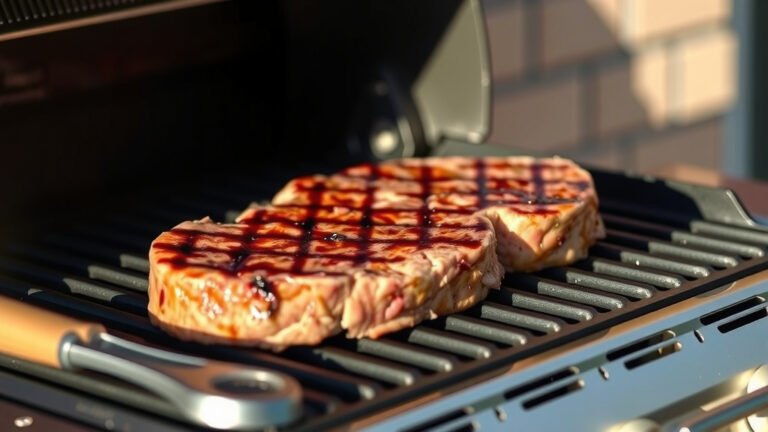
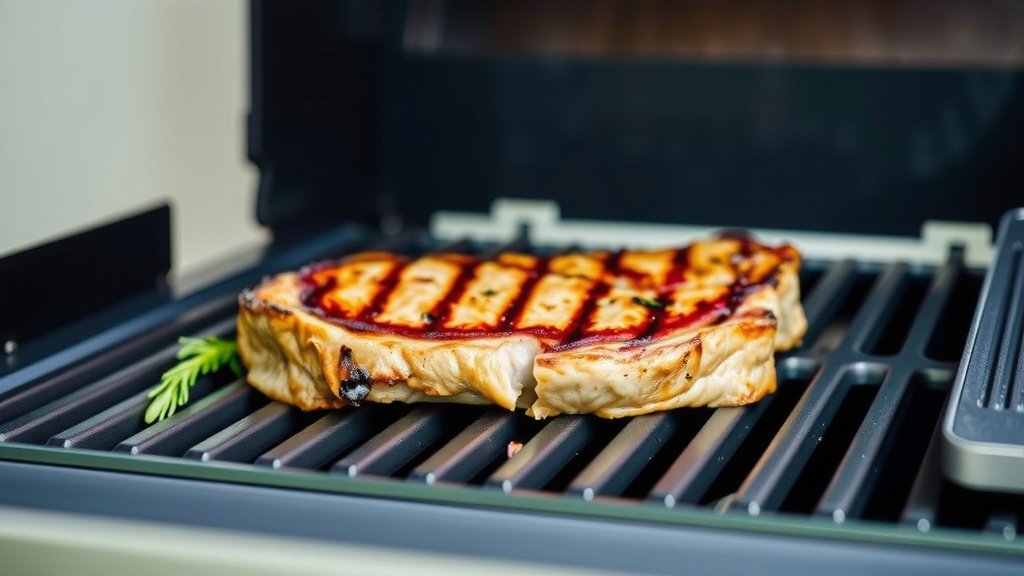
You have a few options for searing. You can remove the tri-tip from the grill, then crank your pellet grill up to its highest setting (400-450°F). Alternatively, some prefer a screaming hot cast iron pan or a separate gas grill. Sear for 2-4 minutes per side, just until you get a nice crust. Keep a close eye on it, as it can burn quickly at high heat.
Resting Your Tri-Tip: A Must-Do Step
After searing, your tri-tip needs to rest. This is not optional; it’s absolutely essential for a juicy roast. Think of it like letting a runner cool down after a race. The meat needs to relax and reabsorb its juices. Patience here pays off big time.
Here’s a quick checklist for the perfect tri-tip:
- Trim fat to about 1/4 inch.
- Season generously.
- Set pellet grill to 225-275°F.
- Smoke until internal temp is 120-125°F.
- Sear at high heat (400-450°F) for a few minutes per side.
- Rest for 10-15 minutes.
Why Resting is So Important
Research often connects proper resting with significantly juicier results (Food Science Institute). As the meat cooks, its fibers tighten, pushing juices to the center. Resting allows these fibers to relax, redistributing those delicious juices throughout the roast. Skipping this step means a dry, less flavorful experience. A good rest is the secret to tender meat.
Slicing and Serving Your Tri-Tip
You’ve done the hard work, now for the grand finale. Slicing tri-tip correctly is crucial because of its unique grain. This cut actually has two distinct grain directions. Cutting against the grain ensures every slice is as tender as possible. This small detail can elevate your entire meal.
Identifying the Grain
Look closely at your tri-tip. You’ll notice the muscle fibers running in two different directions, usually meeting in the middle. Slice the meat into two separate pieces where the grains diverge. Then, slice each piece against its individual grain. This method guarantees a tender bite every time.
Here’s a general guide for cooking tri-tip to different doneness levels:
| Doneness Level | Target Internal Temperature (Before Rest) | Approximate Total Cook Time (2-3 lb) |
|---|---|---|
| Rare | 120-125°F | 50-70 minutes |
| Medium-Rare | 130-135°F | 60-90 minutes |
| Medium | 135-140°F | 70-100 minutes |
| Medium-Well | 140-145°F | 80-110 minutes |
Conclusion
Cooking tri-tip on a pellet grill is a truly rewarding experience. By following these steps—from proper preparation and precise temperature control to the essential sear and rest—you’ll create a wonderfully smoky, tender, and juicy roast. Remember, while times are a guide, your meat thermometer is your best friend. Enjoy the process and, most importantly, enjoy the incredible flavors you’ll create!
How do I prevent my tri-tip from drying out on the pellet grill?
To prevent a dry tri-tip, the most important step is to avoid overcooking. Always use a meat thermometer and pull the roast when it reaches your desired internal temperature, before the resting period. Also, ensure you rest the meat for 10-15 minutes after cooking so the juices can redistribute.
Can I cook tri-tip without searing it on a pellet grill?
Yes, you can cook tri-tip without searing, but it won’t develop the same crust or depth of flavor. If you prefer a more even smoke ring and don’t mind sacrificing the crispy exterior, you can cook it entirely at a lower temperature until it reaches the final desired internal temperature.
What’s the best way to slice tri-tip for maximum tenderness?
The key to tender tri-tip is slicing against the grain. Tri-tip has two distinct grain directions, so identify them both. Slice the roast into two sections where the grains change direction, then slice each section thinly against its respective grain. This shortens the muscle fibers, making each bite more tender.
How do I know when my tri-tip is perfectly rested?
Your tri-tip is perfectly rested when its internal temperature stabilizes, meaning it has stopped rising and slightly dropped. This usually takes 10-15 minutes under a loose foil tent. The meat will feel more relaxed, and when you press it gently, the surface will feel yielding rather than firm.
What kind of wood pellets are best for tri-tip?
For tri-tip, stronger woods like oak, hickory, or mesquite are often recommended for their robust smoke flavor that complements beef well. If you prefer a milder smoke, fruitwoods like apple or cherry can also be a good choice, adding a subtle sweetness. Experiment to find your personal favorite.